
untitled miami:
On the Nature of Entanglement
Theresa weber luis renteria
2-6 december 2026
Sorondo Projects presents a two-person exhibition by Luis Rentería and Theresa Weber for its second consecutive year at Untitled Miami 2026. Bringing together two practices that move across textile, installation, performance and image, the presentation considers how forms of belonging are produced through relations between bodies, materials and environments. Here, matter becomes a means of thinking through the ways in which identities take shape, circulate and transform through encounters with others.
For both artists, belonging emerges from experiences of displacement, cultural inheritance and movement between places. Their practices draw on histories that resist singular definitions, allowing different forms of knowledge, memory and experience to coexist. Hybridity operates as a condition through which personal histories enter into relation with broader social and ecological narratives, opening up other ways of understanding identity and its place in the world.
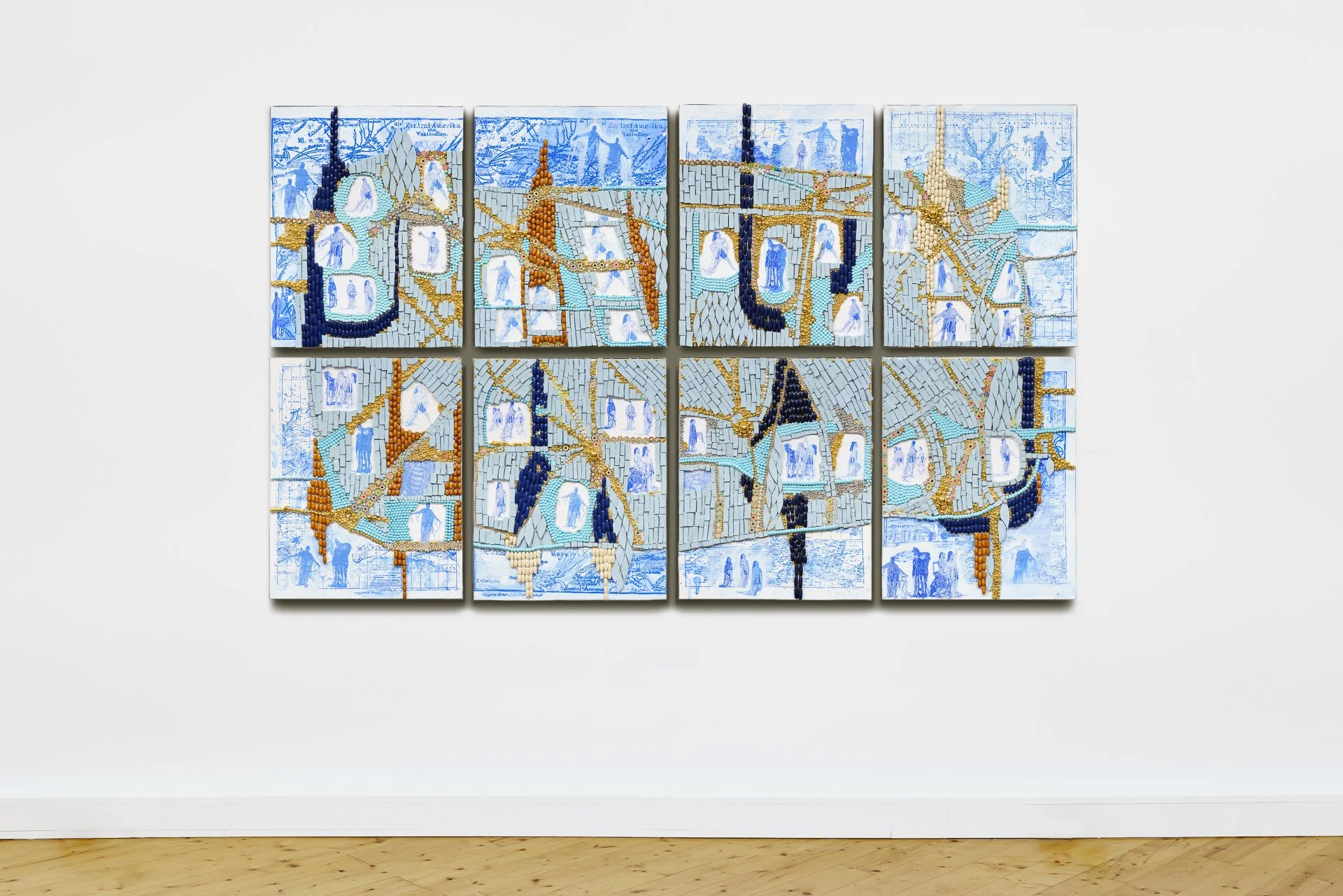
Theresa Weber develops modular installations that bring together fragmented landscapes, photographic elements and suspended sculptural forms. Her practice is informed by her German-Caribbean-Greek background and an ongoing engagement with Caribbean thought, particularly the writings of Suzanne Césaire, whose work proposed an understanding of the human as inseparable from a living, relational world. Through repetition, transformation and cyclical time, Weber explores the permeability between bodies and environments, tracing the ways in which one continuously enters into the other.
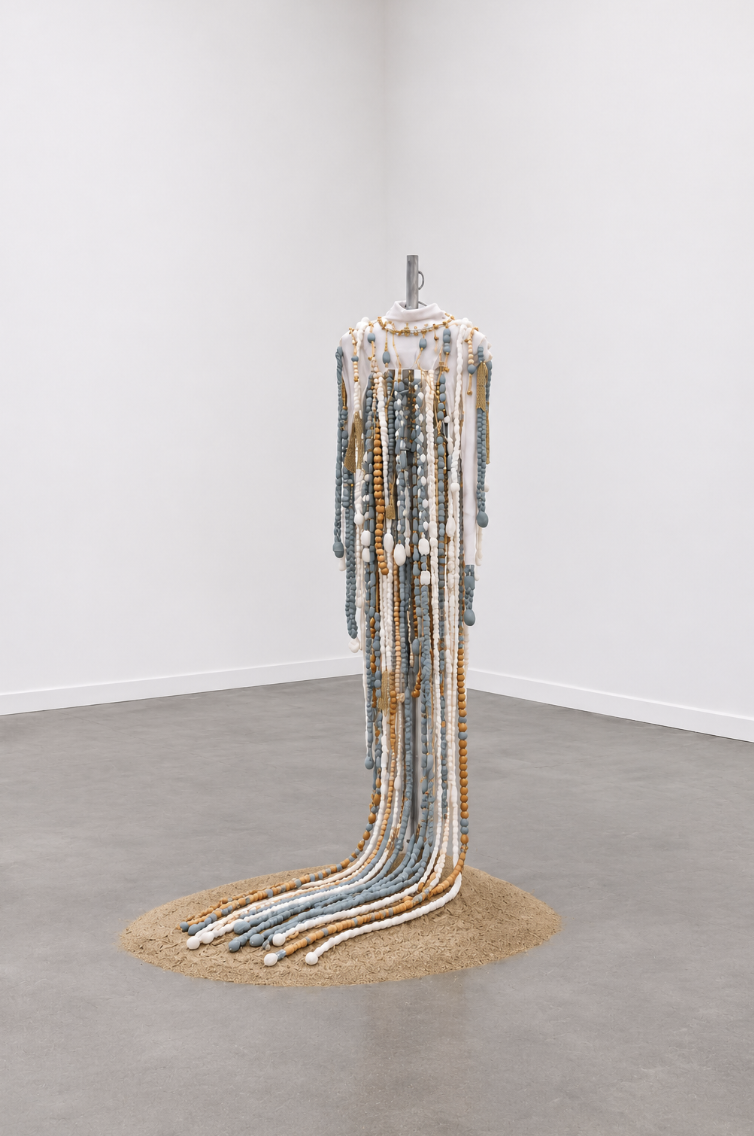
Central to this presentation is a suspended costume installation conceived and produced specifically for Untitled Miami 2026. The work draws on a series of costumes developed by Weber for a performance staged during the Gran Bienal Tropical in Puerto Rico in 2024, in which performers moved from forest to sea in a ritual that dissolved the boundaries between body and landscape. One of the costumes from this series was subsequently acquired by the Pérez Art Museum Miami (PAMM) following its presentation at The Armory Show. In Weber’s practice, these forms become both relic and activation, embodying ideas of love, sisterhood and sensual relatedness. They hold the trace of a collective gesture while remaining open to new configurations of movement, intimacy and encounter.
Working between Barcelona and Guadalajara, Luis Rentería approaches textile as a language through which relational worlds are constructed. His sculptures, woven on a low-warp loom, bring together vegetal, animal and synthetic fibres into complex networks of material and symbolic entanglements. Rooted in the Nahua concept of Téotl, his practice understands existence as a continuous process of transformation, in which humans, plants, animals and minerals participate in a shared and dynamic system.
For Rentería, textile extends beyond the traditions of craft and technique into a form of storytelling shaped by community, popular culture and inherited knowledge. His works propose ways of understanding the world through care, interdependence and the reactivation of animist perspectives. By bringing material processes into conversation with wider cultural and ecological frameworks, he questions anthropocentric narratives and considers the possibilities of other forms of coexistence.
Across the presentation, Weber and Rentería establish a dialogue through fabrics, forms and gestures. Their respective approaches meet in an attention to cyclical time, regeneration and the conditions through which life is sustained and transformed. Fibres intertwine, landscapes fragment and reassemble, and traces of performance remain embedded in the material. The works suggest a world in which relationships are constantly being negotiated, where the boundaries between the individual and the collective, the human and the non-human, remain open to transformation.
The exhibition takes shape as an open structure, inviting viewers to move between materials, references and different registers of experience. Meaning emerges through proximity, through the recognition of connections that might otherwise remain unseen. Within the booth, the works bring individual trajectories into a shared space, reflecting Sorondo Projects’ ongoing interest in artistic practices that engage with process, collaboration and the multiplicity of lived experience
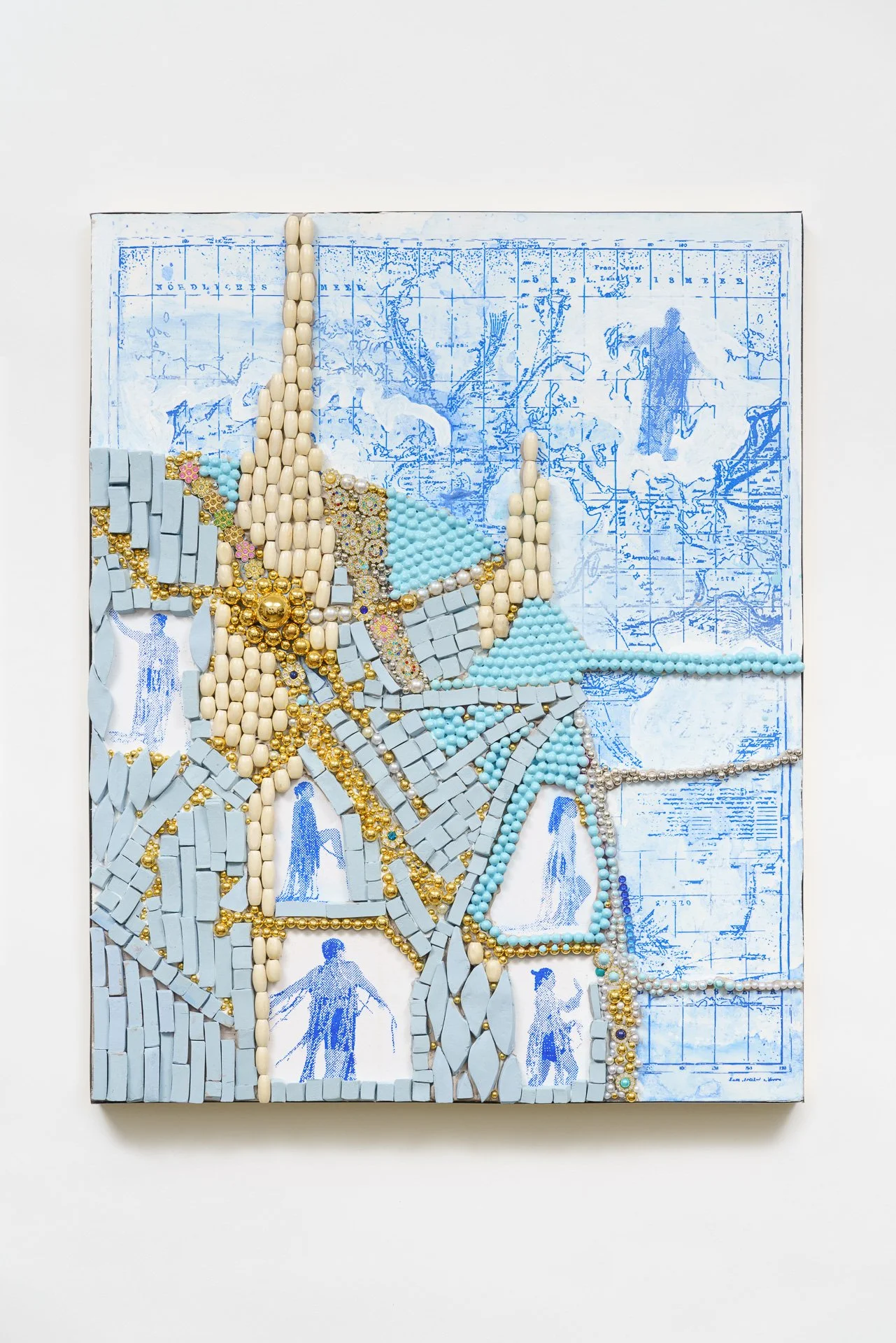
Dancing on Rivers, 2026 // Silk screen prints, ceramic, beads, ornaments, paint on board with steel // 27x37cm
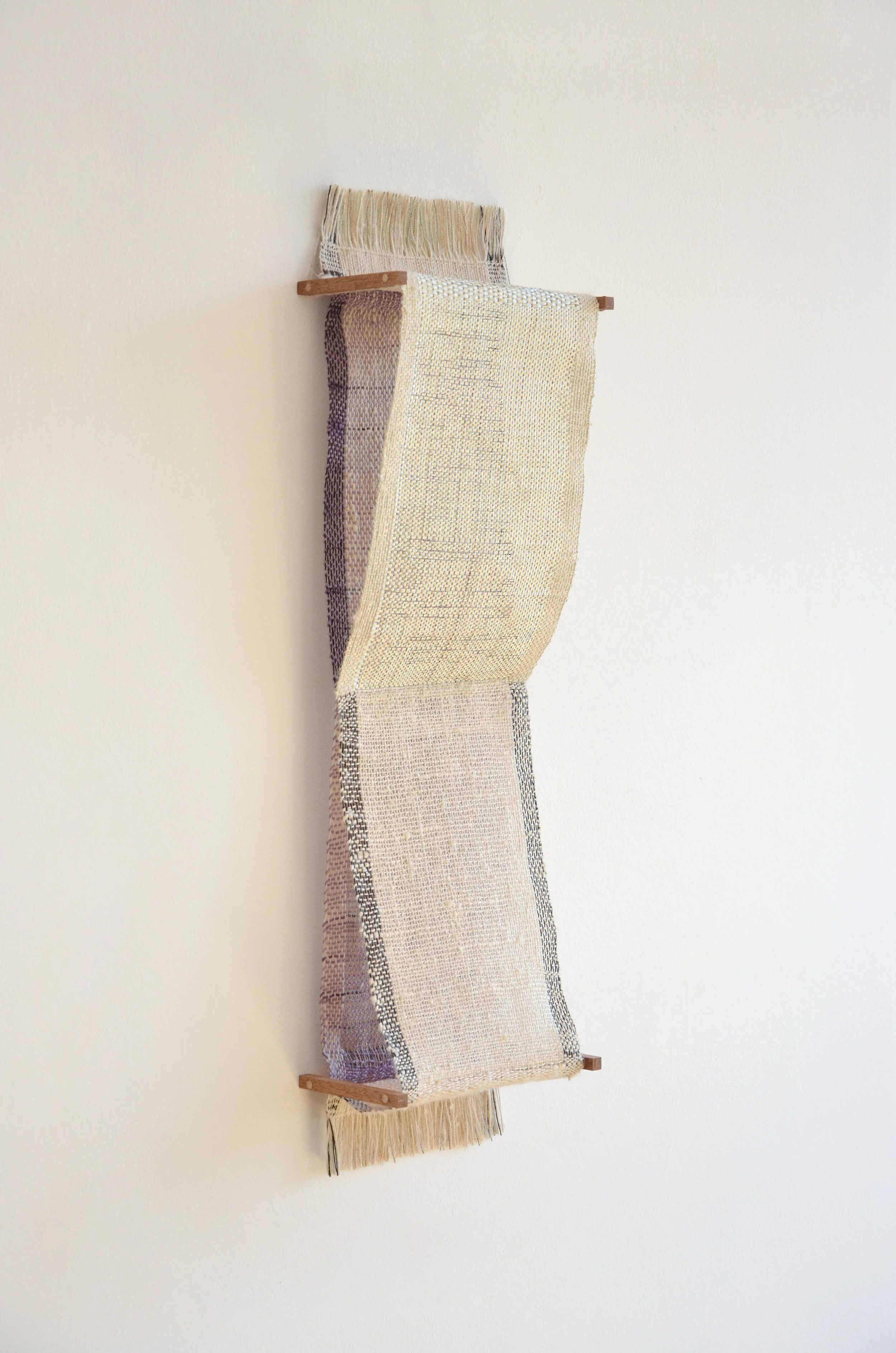
Dia noche // Pedal loom weaving, naturally dyed with logwood. Linen, silk, raffia, cotton, horsehair, polyester, wood. // 60 x 18 x 9 cm
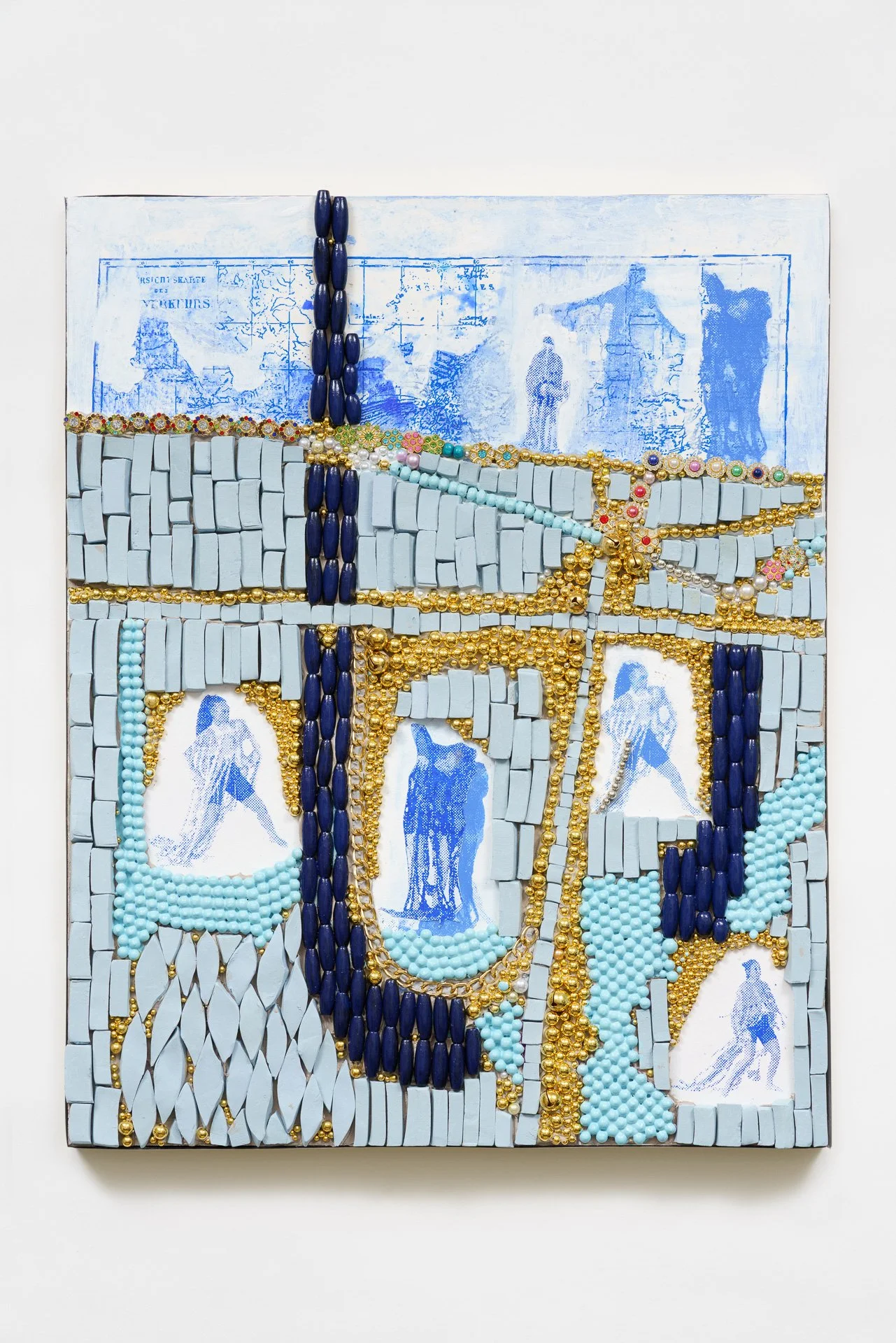
Dancing on Mountains, 2026 // Silk screen prints, ceramic, beads, ornaments, paint on board with steel // 27x37cm
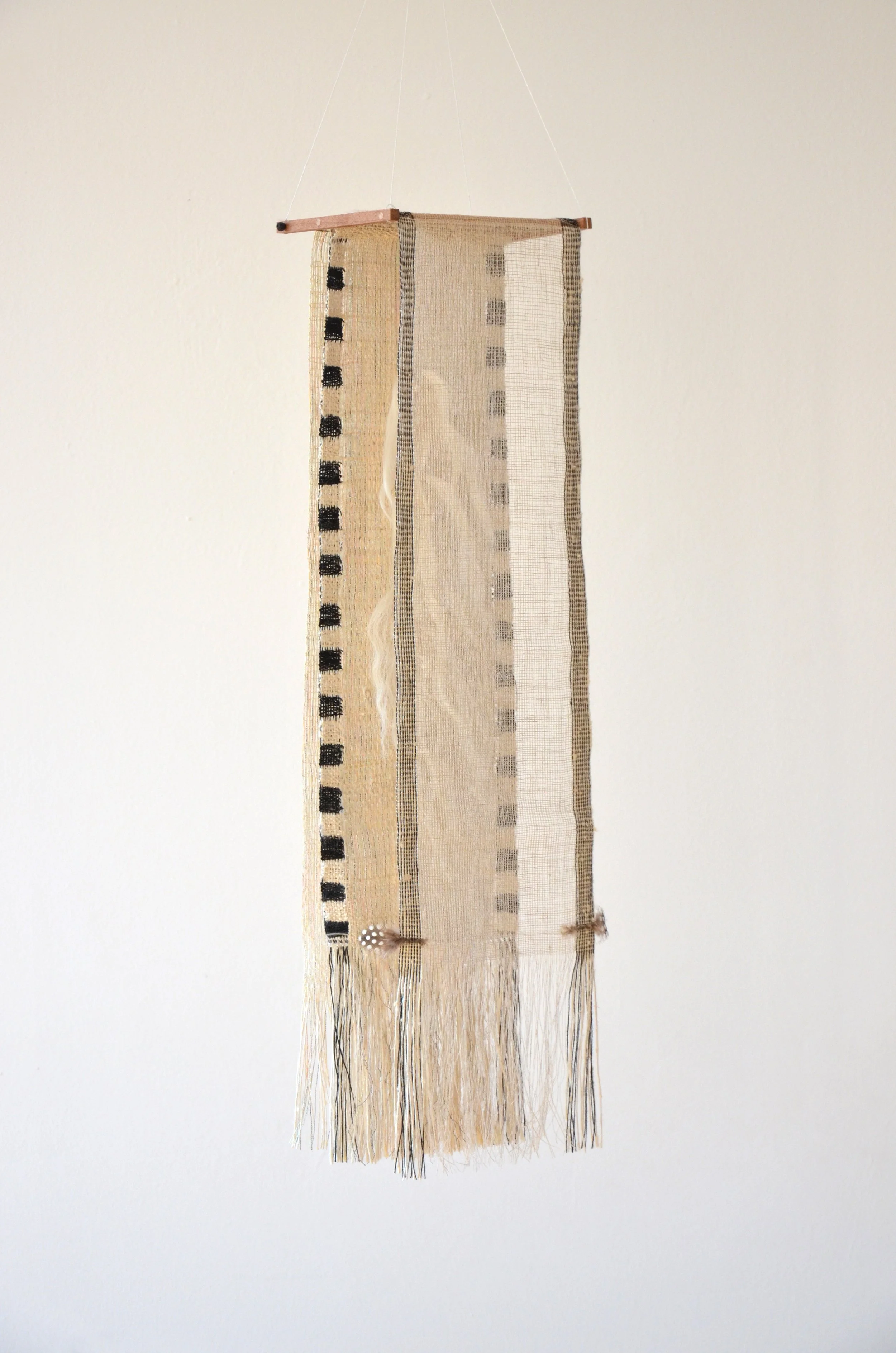
Virgen de lana // Pedal loom weaving. Linen, silk, horsehair, polyester, wood, steel, wool, pearls. // 66 × 18 × 13 cm
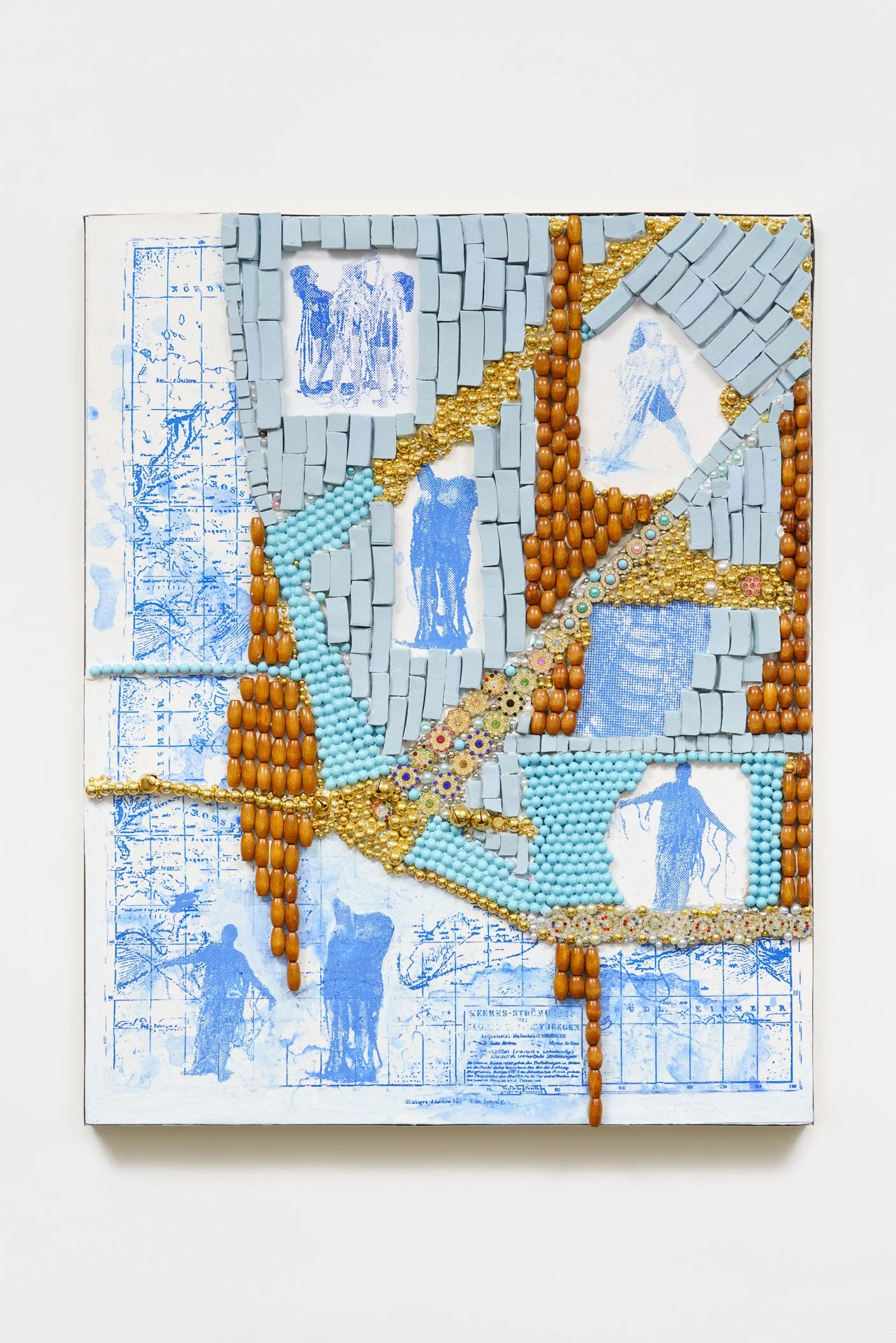
Dancing on Oceans, 2026 // Silk screen prints, ceramic, beads, ornaments, paint on board with steel // 27x37cm
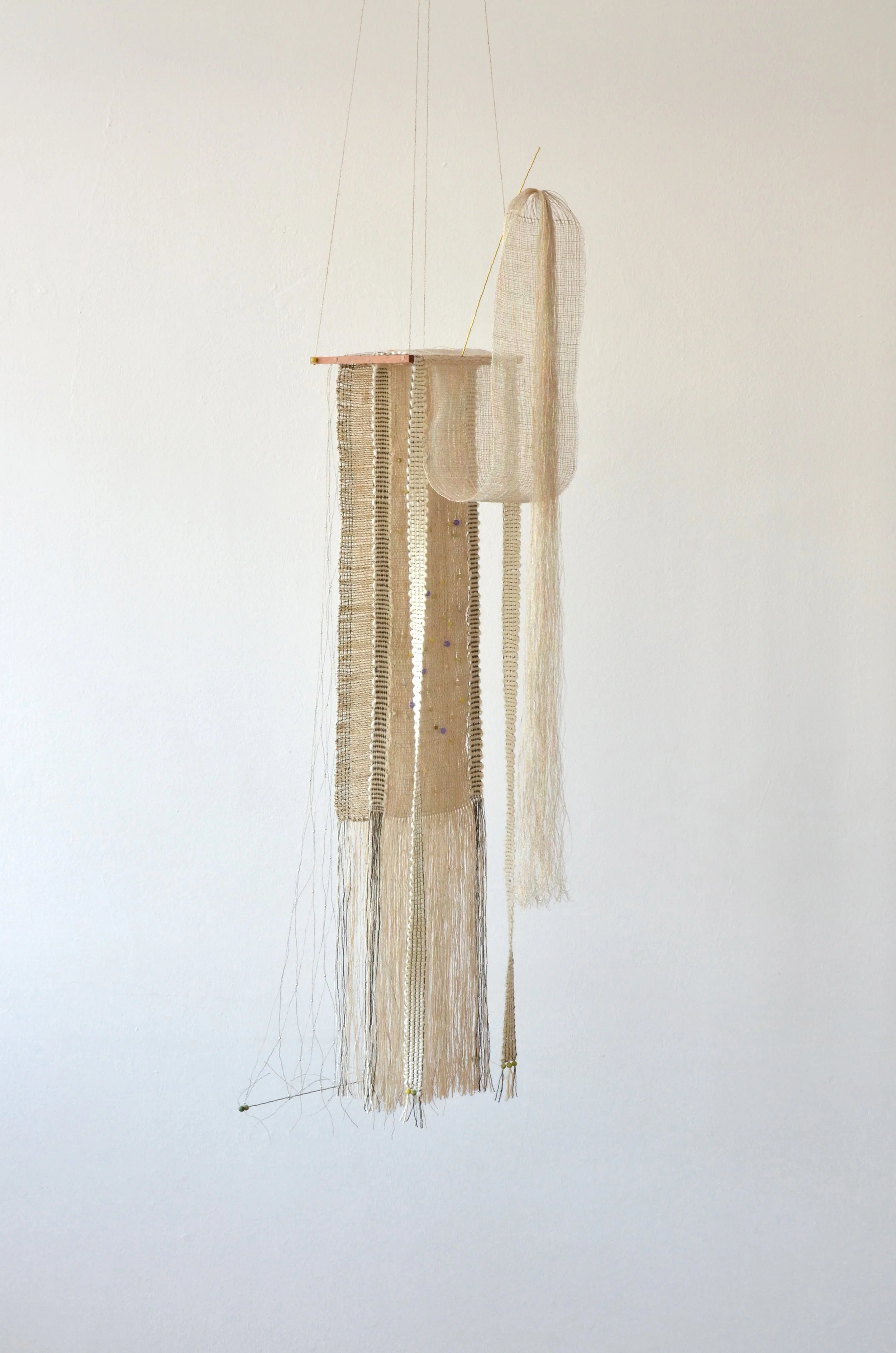
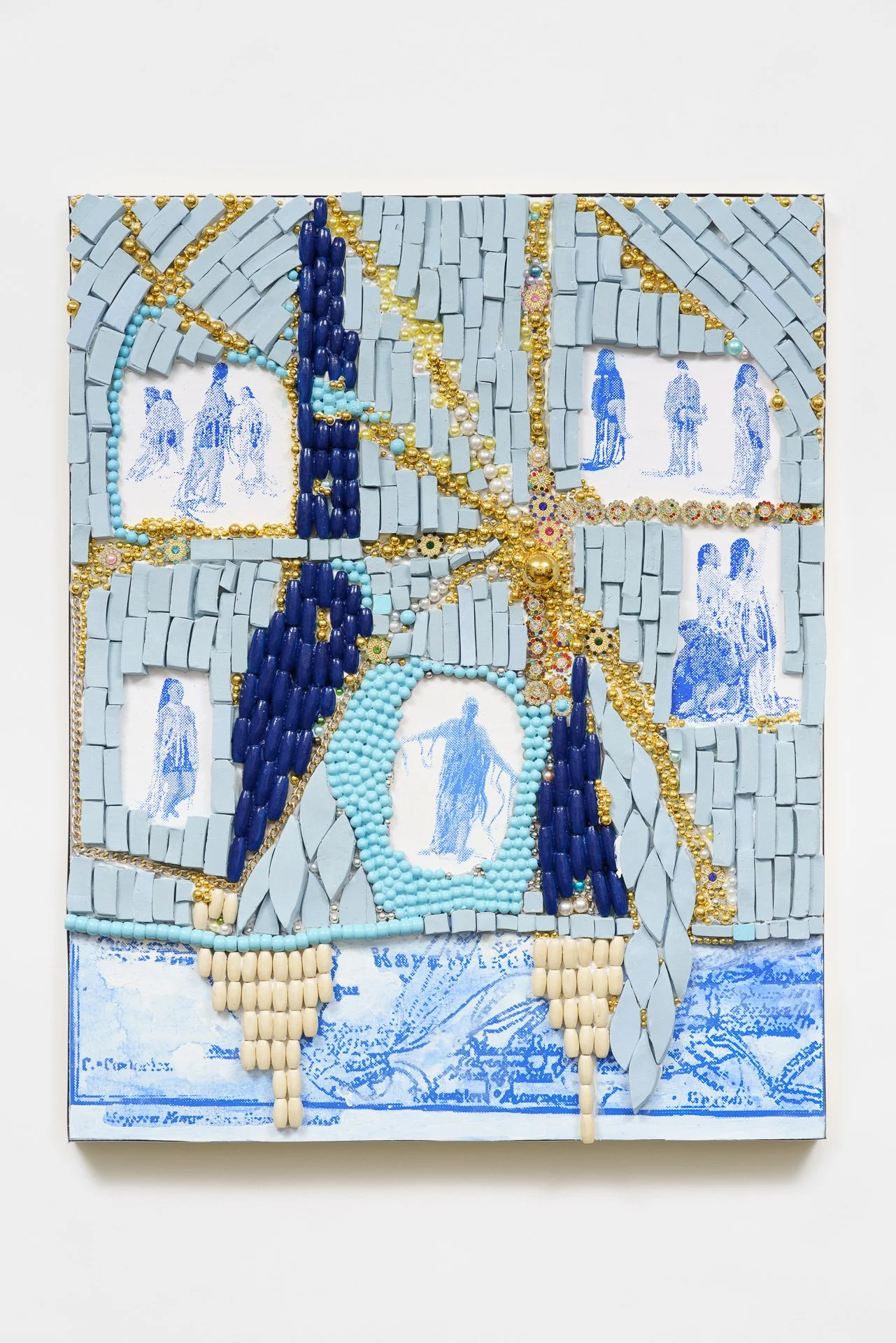
Dancing on Grass, 2026 // Silk screen prints, ceramic, beads, ornaments, paint on board with steel // 27x37cm
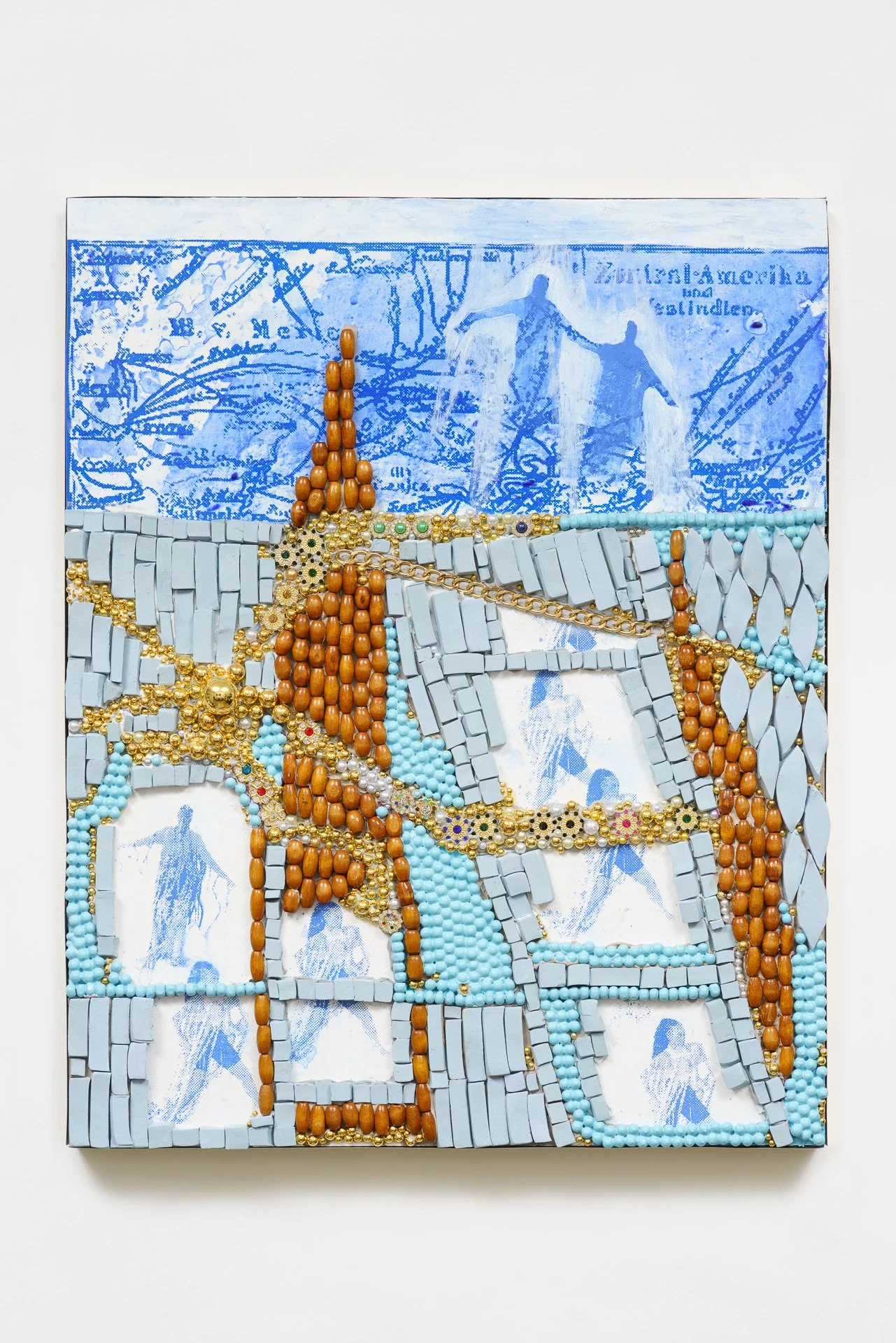
Dancing on Stones, 2026 // Silk screen prints, ceramic, beads, ornaments, paint on board with steel // 27x37cm
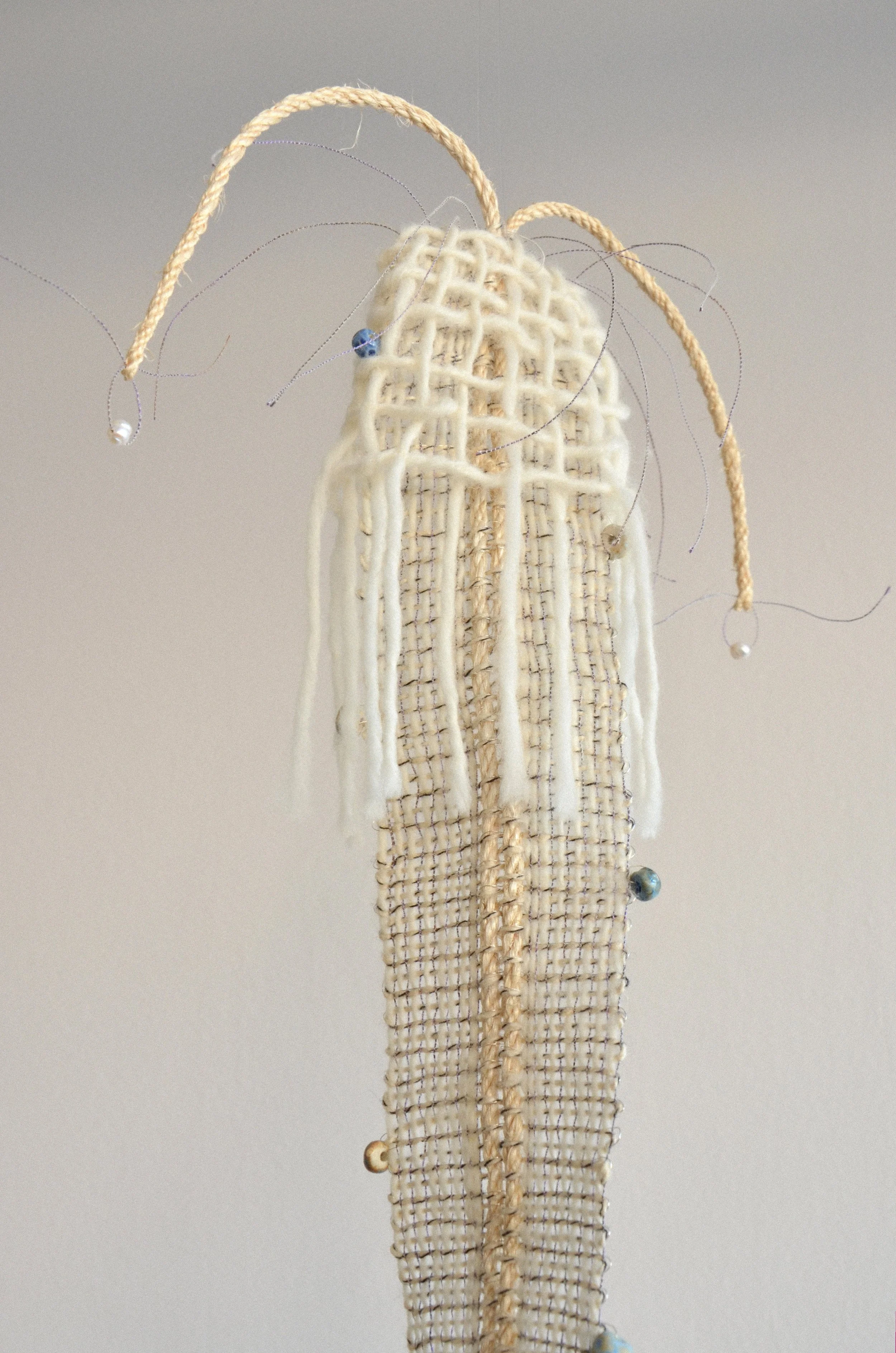
Serpiente de agua // Pedal loom weaving and needle felting. Agave cord, wool, silk, linen, horsehair, copper thread, ceramic, pearls. // 140 x 12 x 24 cm
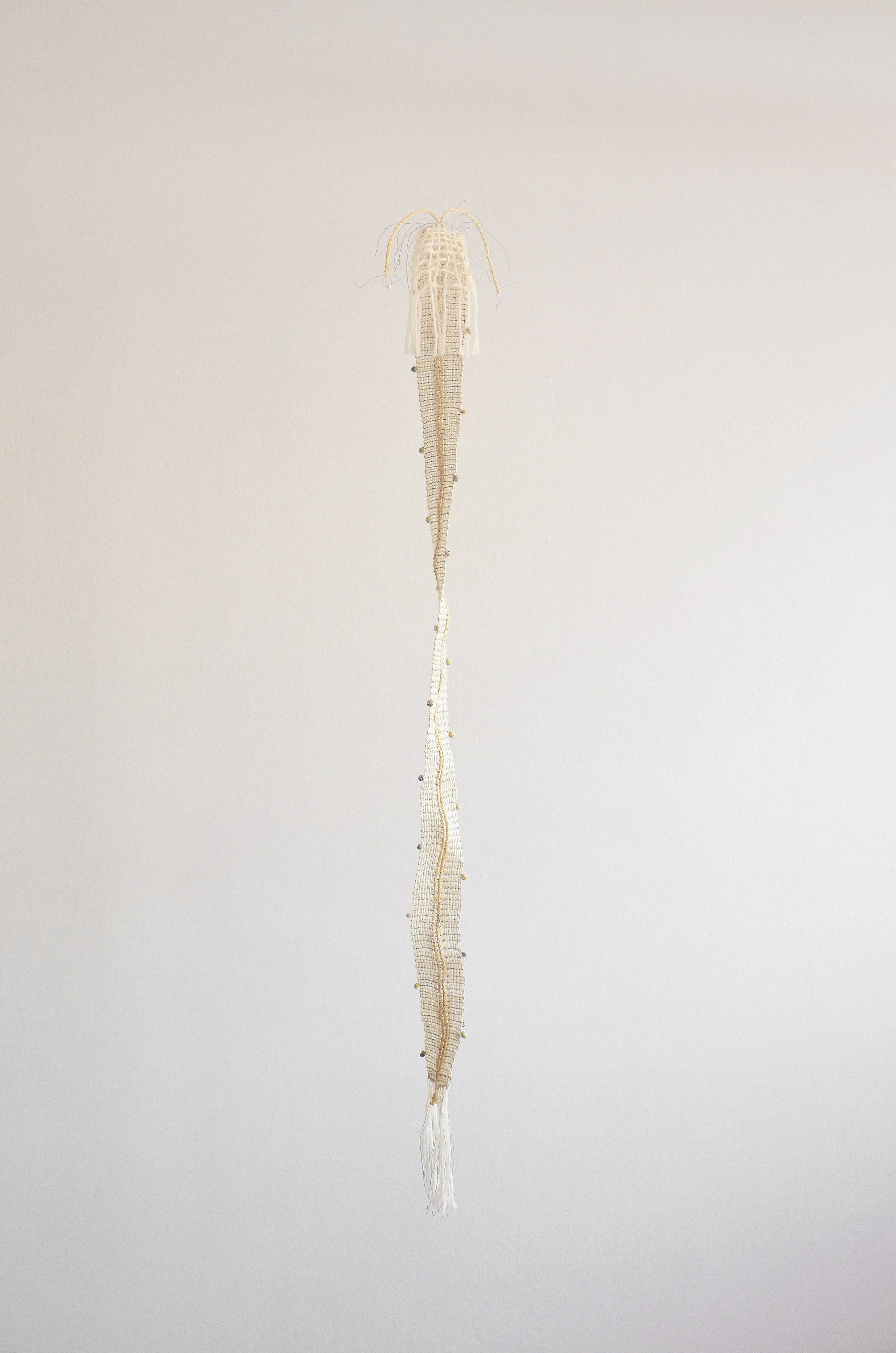
Serpiente de agua // Pedal loom weaving and needle felting. Agave cord, wool, silk, linen, horsehair, copper thread, ceramic, pearls. // 140 x 12 x 24 cm
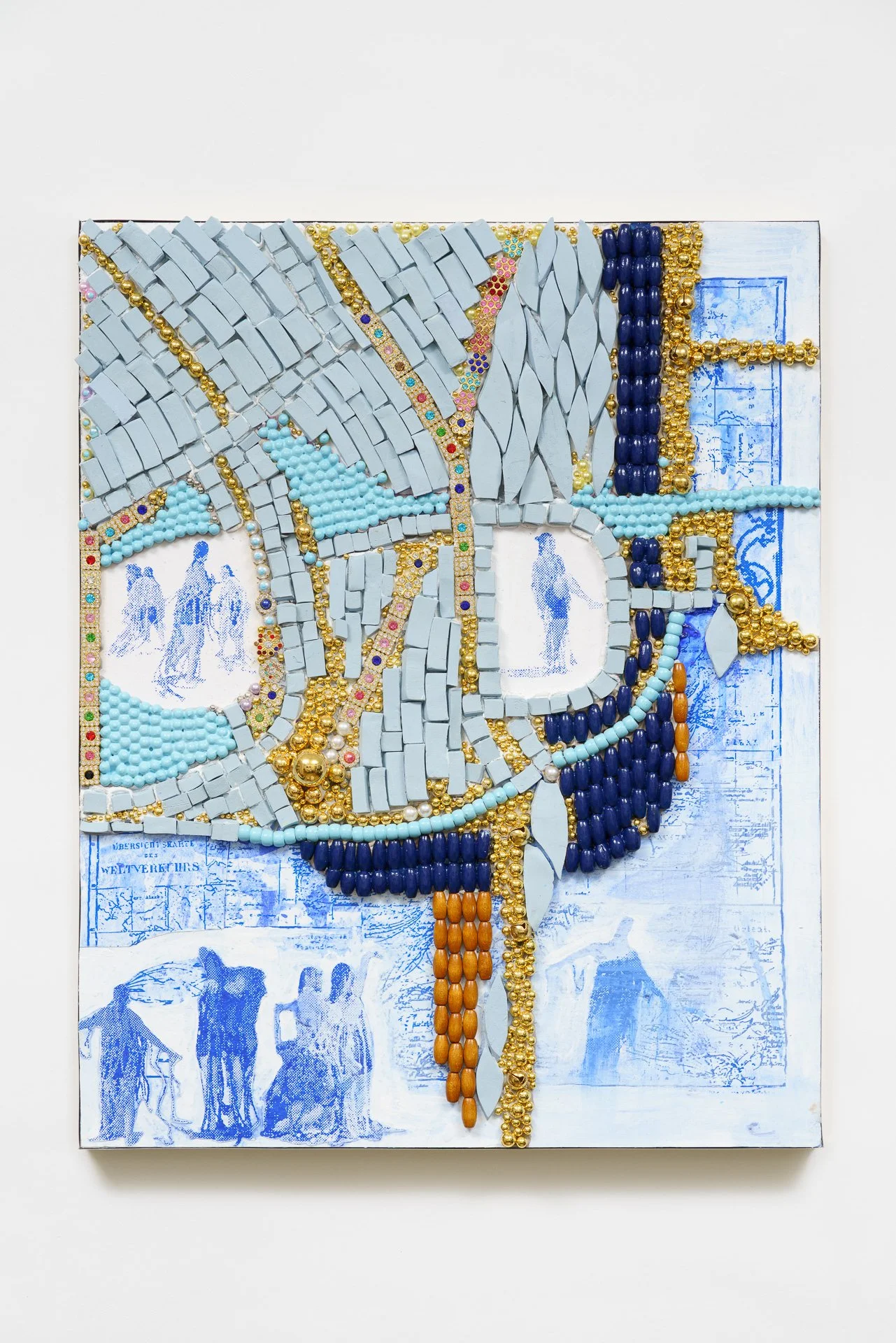
Dancing on Waves, 2026 // Silk screen prints, ceramic, beads, ornaments, paint on board with steel // 27x37cm
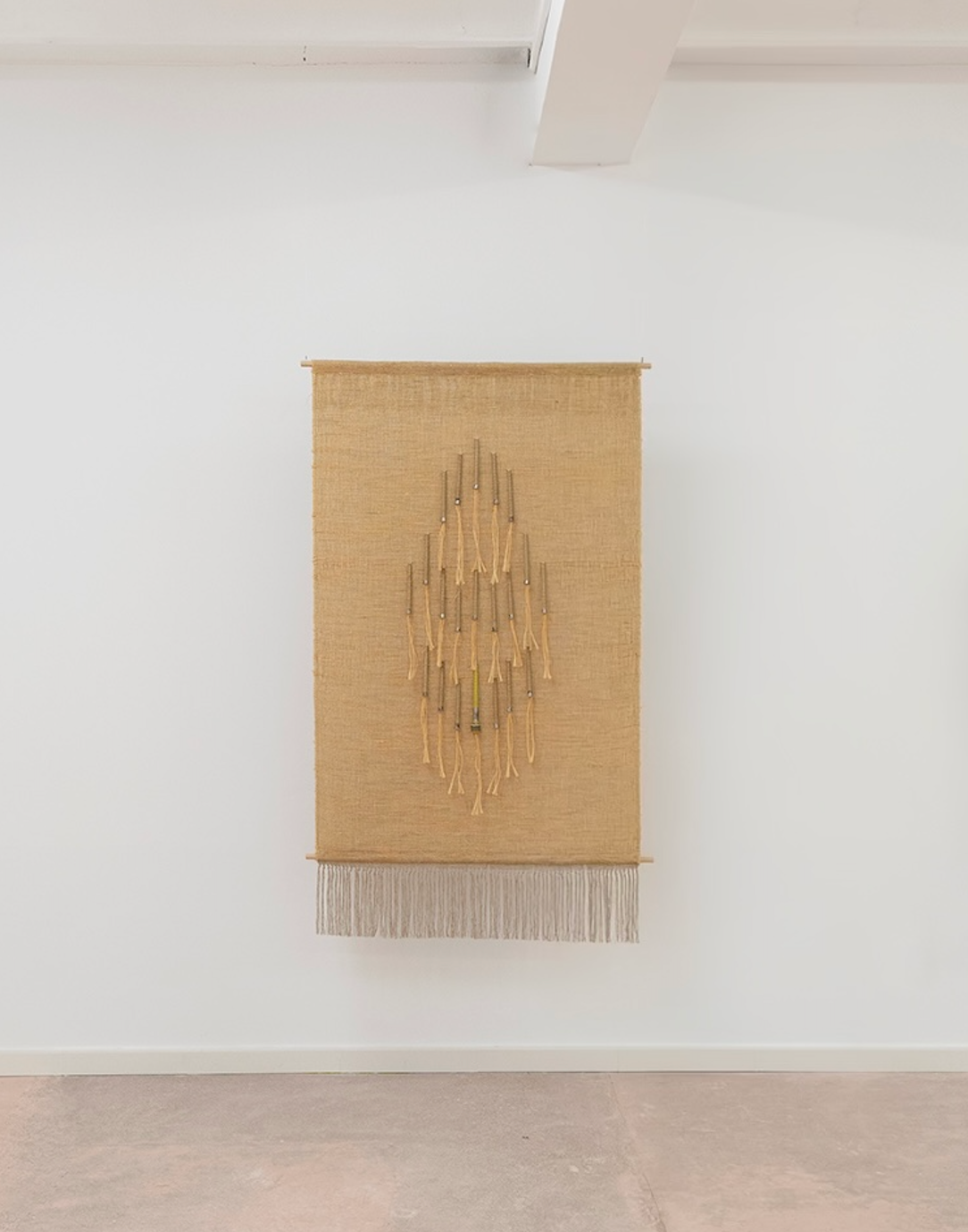
Droma; 2023 //Linen, sisal, spools of thread // 180 × 100 cm
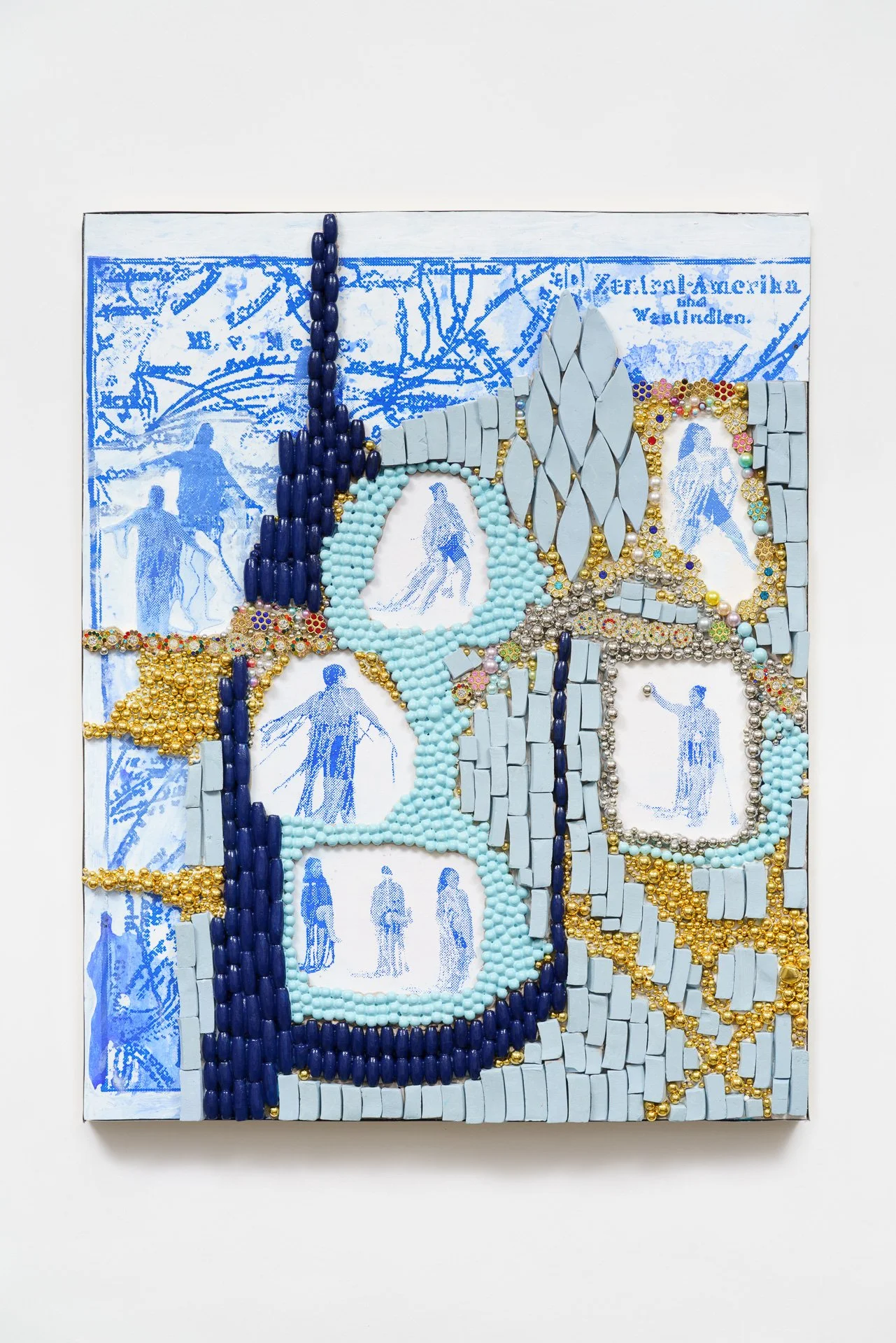
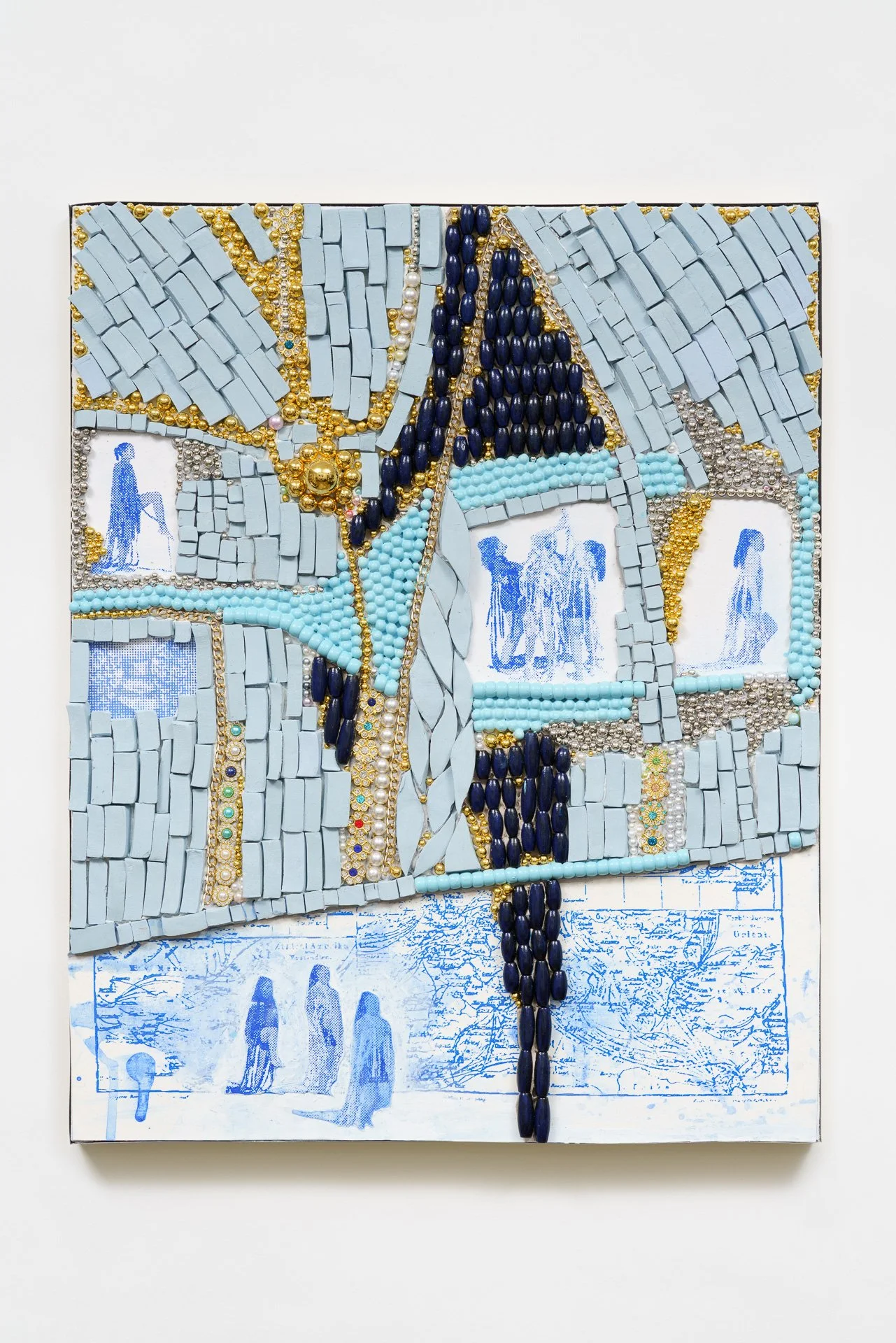
Dancing on Soil, 2026 // Silk screen prints, ceramic, beads, ornaments, paint on board with steel // 27x37cm