
paris photo 2026:
Miguel Braceli
12- 15 november 2026
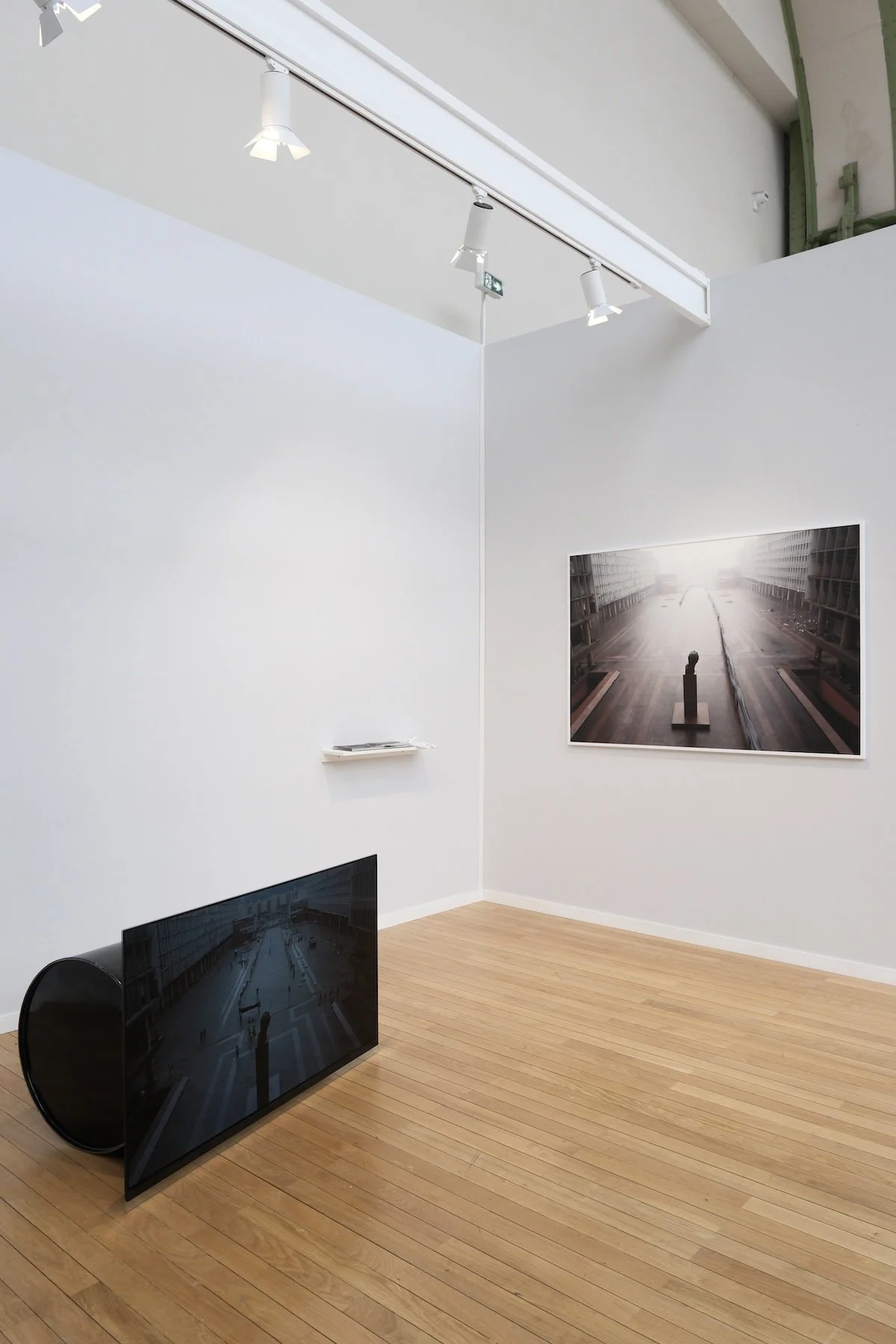
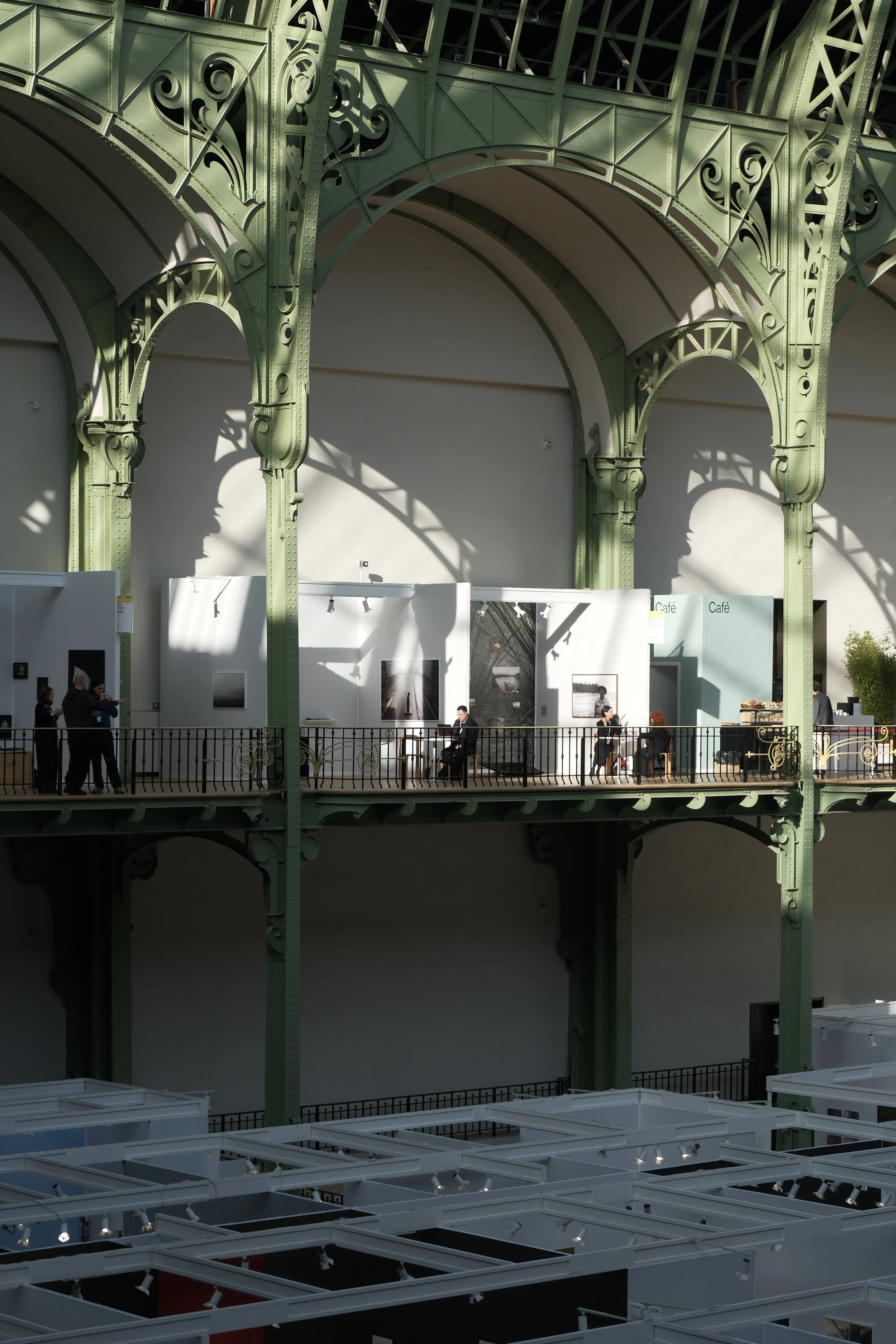
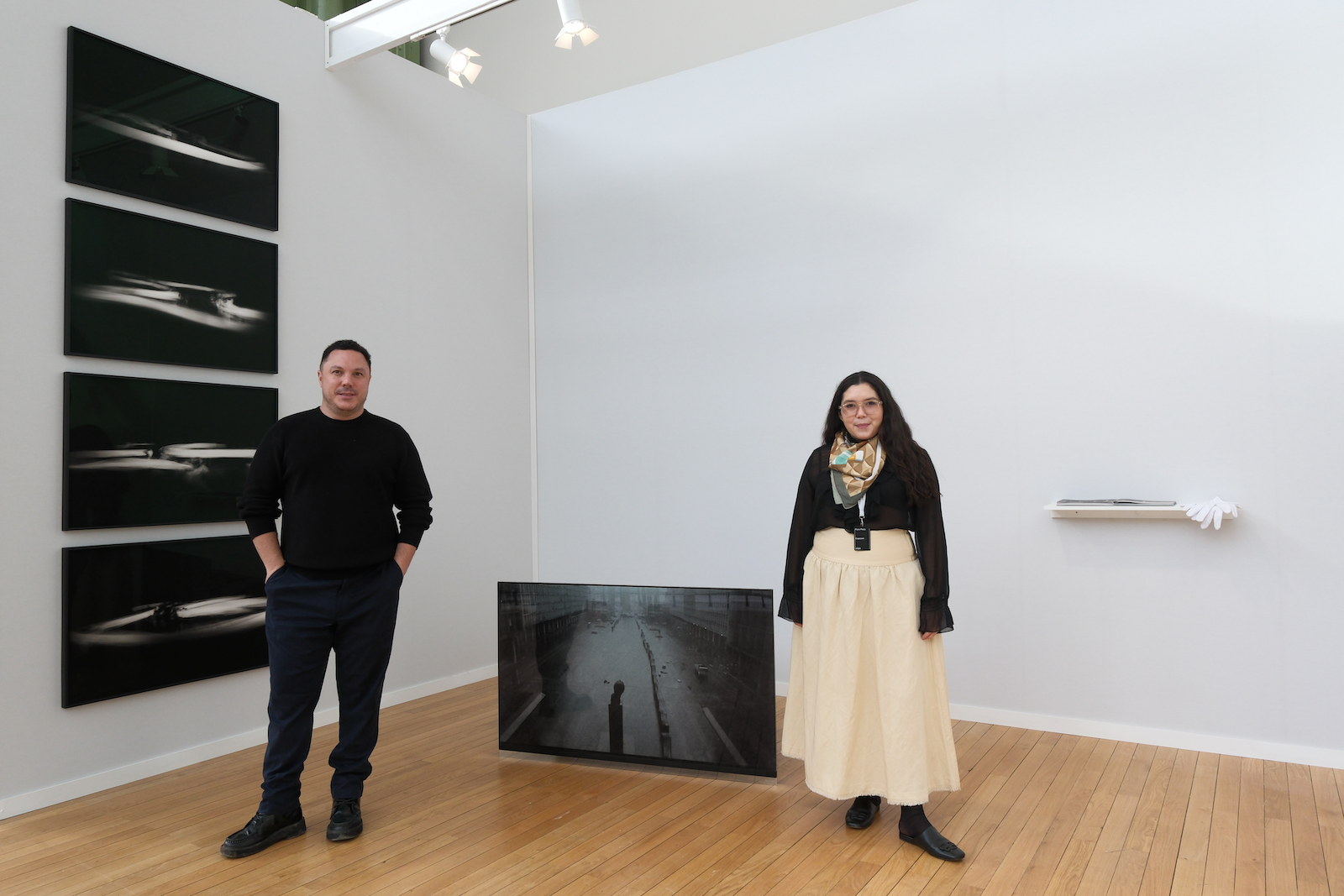
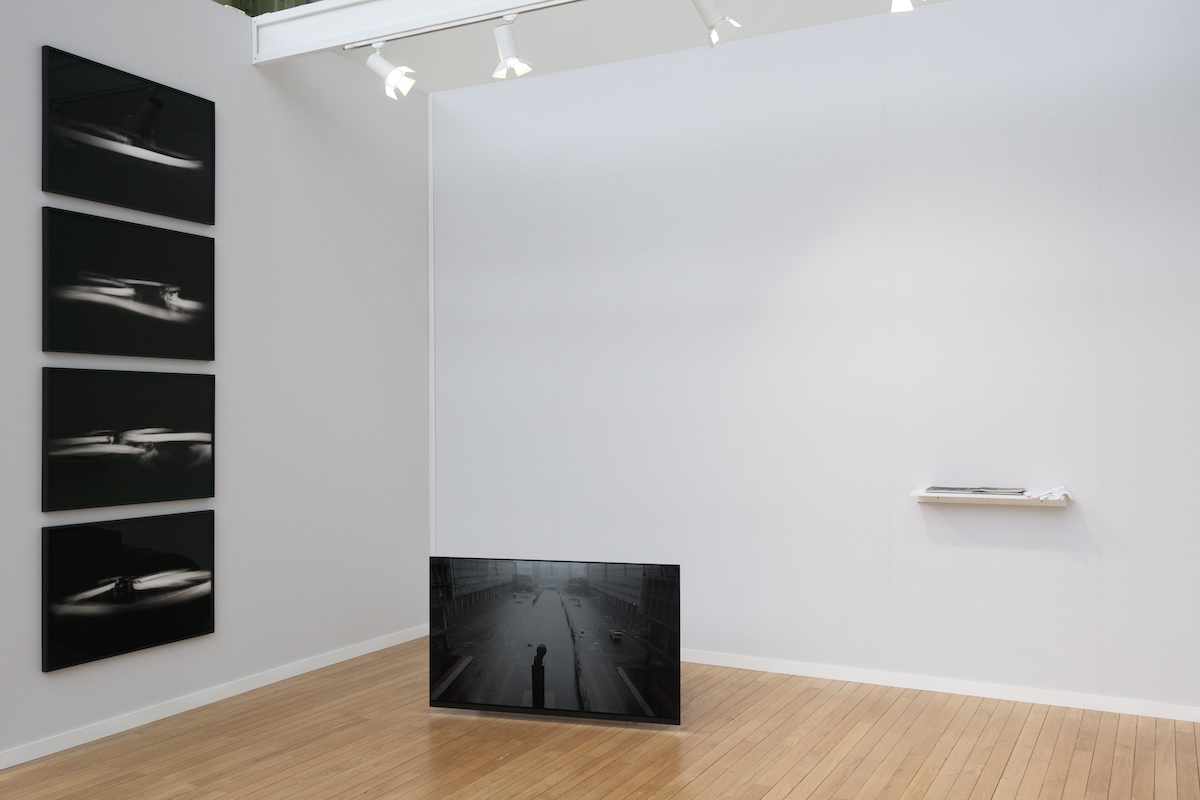
For its second consecutive participation in Paris Photo, Sorondo Projects presents a selection of works by Miguel Braceli in the Emergence sector, curated by Anna Planas. Extending the presentation introduced during Barcelona Gallery Weekend, the proposal brings together Área (2014), Ficcionados (2014) and Irazú (2016), alongside the artist’s book Coreotopías. Together, these works explore how collective action shapes the experience of space, moving between the city's political geography, the imagined structures of architecture and the expansive forms of the natural landscape.
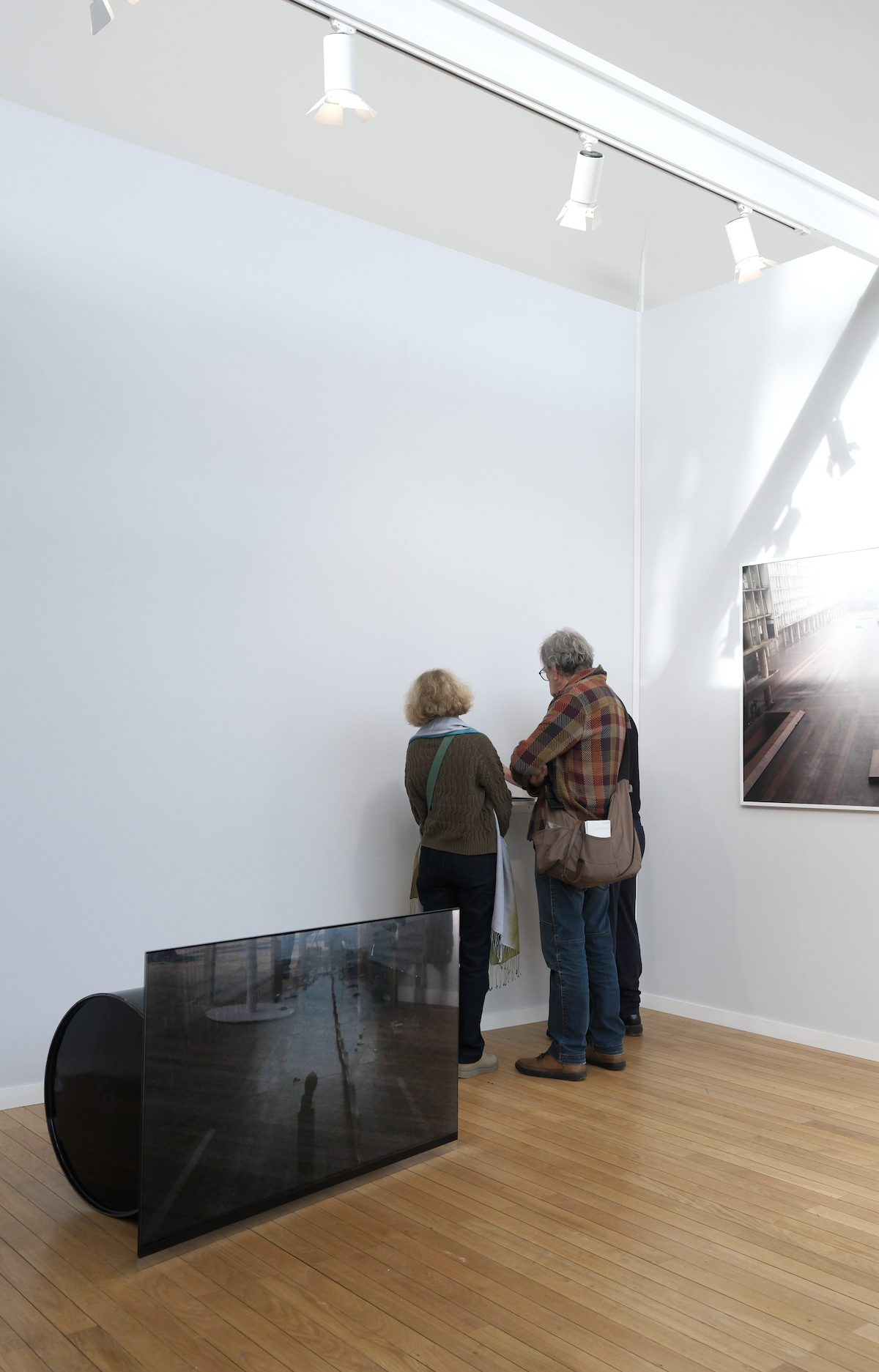
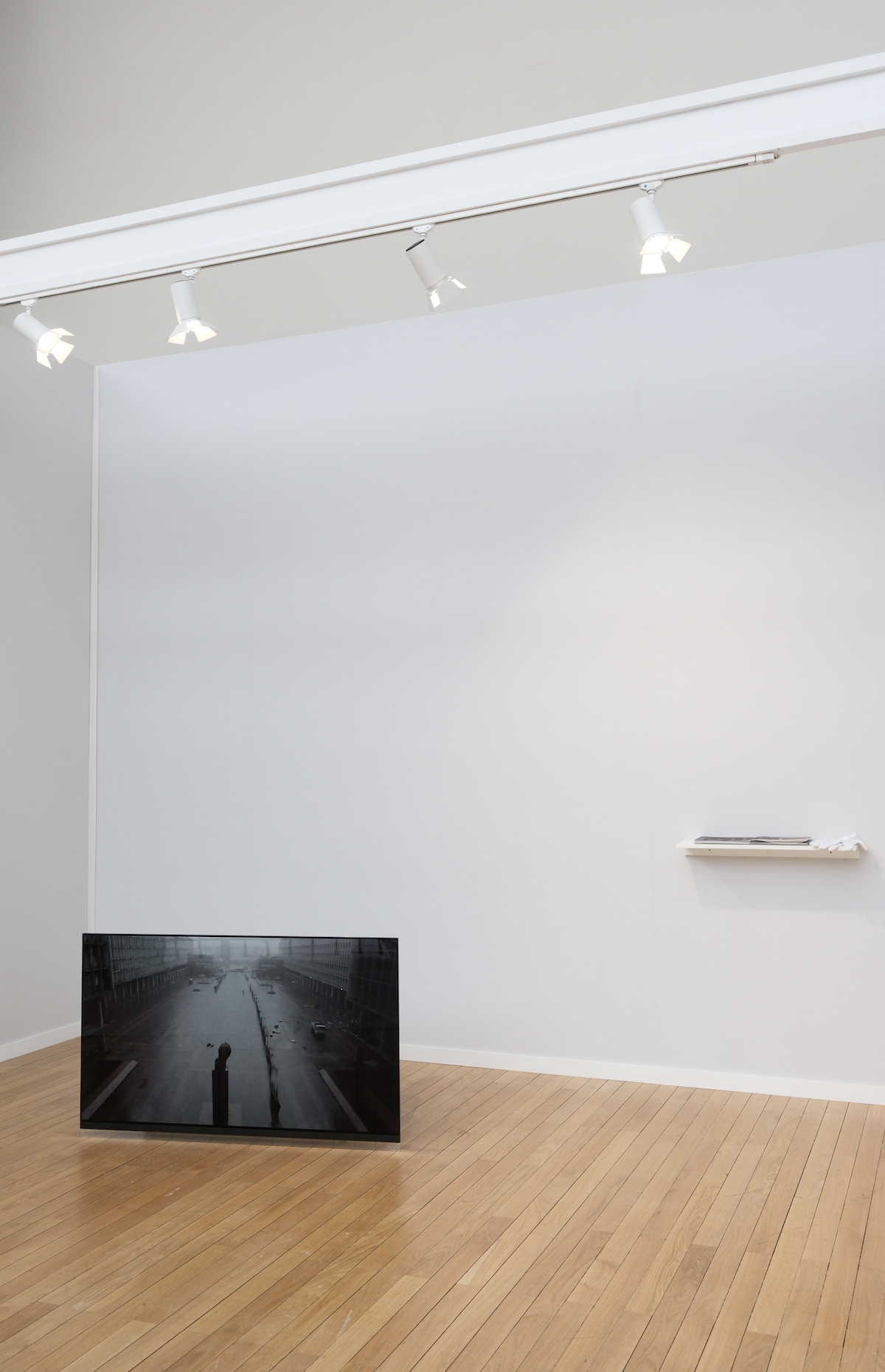
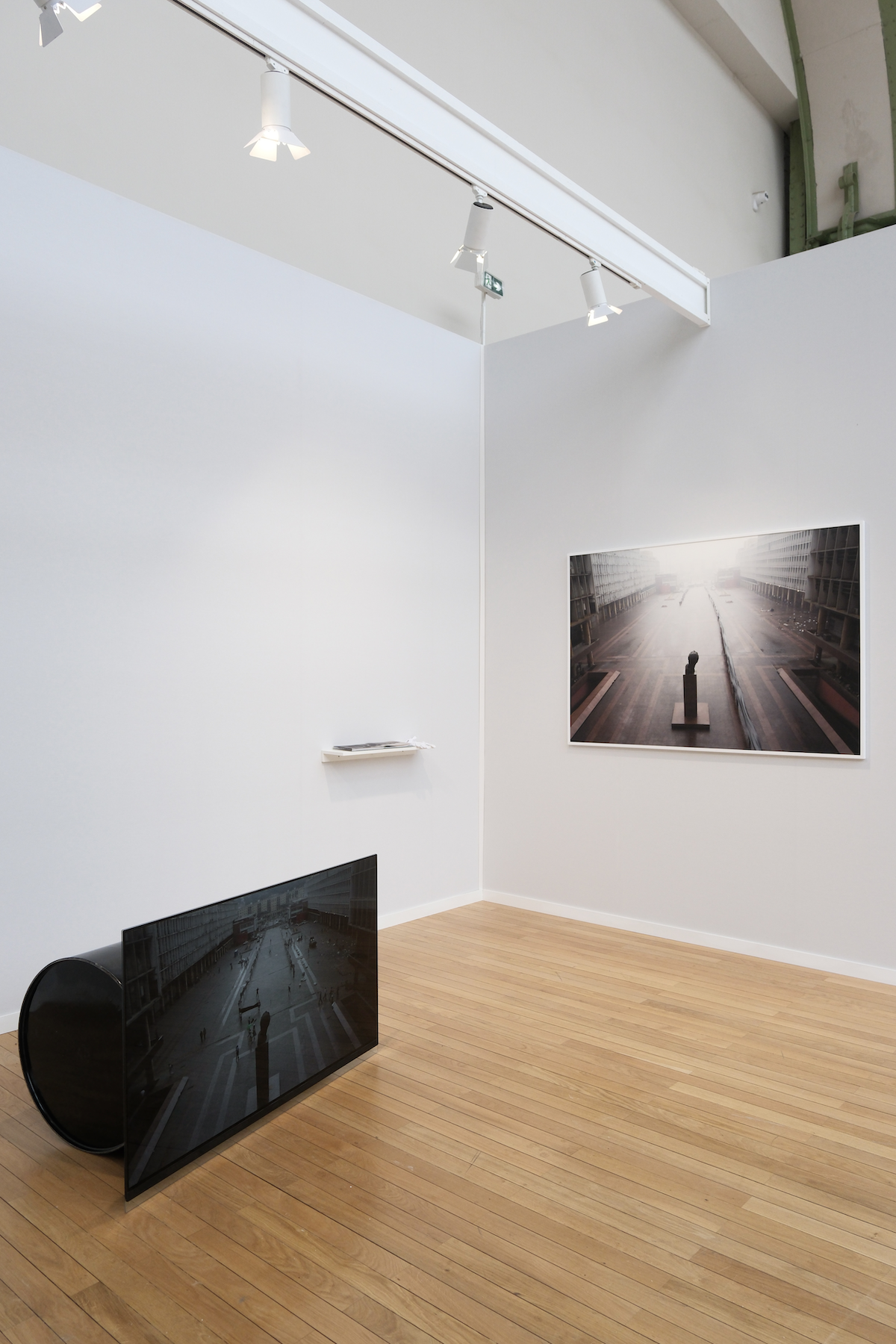
The presentation opens with the video from Área, accompanied by an oil barrel. Developed in Plaza Caracas, at the heart of Venezuela’s governmental district, Área brought together seventy participants to delineate a surface spanning 400 linear metres. Through a collective physical gesture, the participants temporarily reconfigured a public space marked by political polarisation. Conceived as a participatory performance, the work sought to create a common “area” in which collective action could challenge polarising discourses and the narratives of power sustained by authoritarian governments. By transforming division—a political strategy used to perpetuate power, into an opportunity for collective action, the project proposed a shared ground whose boundaries could be collectively drawn, negotiated and transformed. In the exhibition, the video preserves the duration and movement of this encounter, while the accompanying sculpture introduces questions around territory, natural resources and sovereignty.
In Ficcionados, developed with architecture students at Simón Bolívar University in Caracas, Braceli turns to the body as an instrument for imagining and constructing space. Through a Collective performance they build spaces without matter. The work is a visual essay on liquid architectures produced from the ludic experience. Against a backdrop of precarity and material scarcity, Fiction is the resource students use to build and de-build a building's dimensions in a performative act. This project studies the forms of matter and the infinite possibility of its means of constitution.
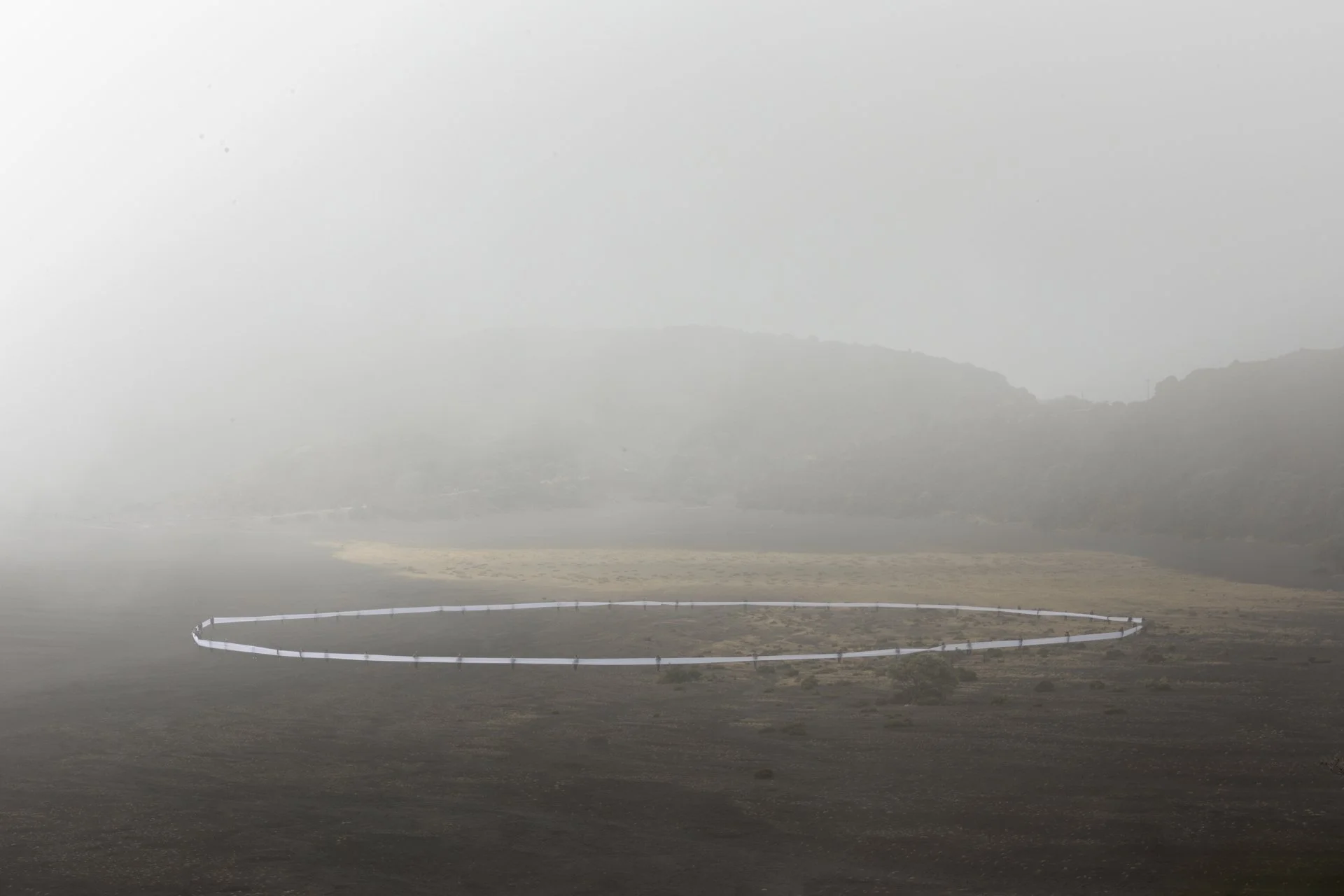
These projects extend into Irazú, a collective performance developed with architecture students in the volcanic landscape of Costa Rica. Their movements respond to the topography and atmospheric conditions of the site, producing a temporary drawing that connects the scale of the human body to the vastness of the landscape. The resulting photographs register an encounter in which the landscape is experienced through collective action, and its contours become the starting point for imagining other spatial possibilities and human relationships with nature.
The artist’s book Coreotopías accompanies the presentation, extending these aims into the printed page. Bringing together Braceli’s work with collective performances, the publication considers the body as a site of research and the landscape as a space that can be reimagined through shared gestures.
Across these works, Miguel Braceli approaches construction as a poetic process activated by people and their territories. Trained as an architect in Venezuela, his practice emerged as a response to the country’s social political crises, exploring how collective action can reconfigure space and challenge established notions of territory, power, and belonging. At the intersection of performance and photography, his work transforms ephemeral gestures into collective experiences. Photography and video become both the trace of these ephemeral encounters and a means of articulating political statements. Grounded in collective learning, his practice transforms artistic production into a form of social and political agency, opening up new possibilities for how space is constructed, territory is claimed, and collective futures are imagined.
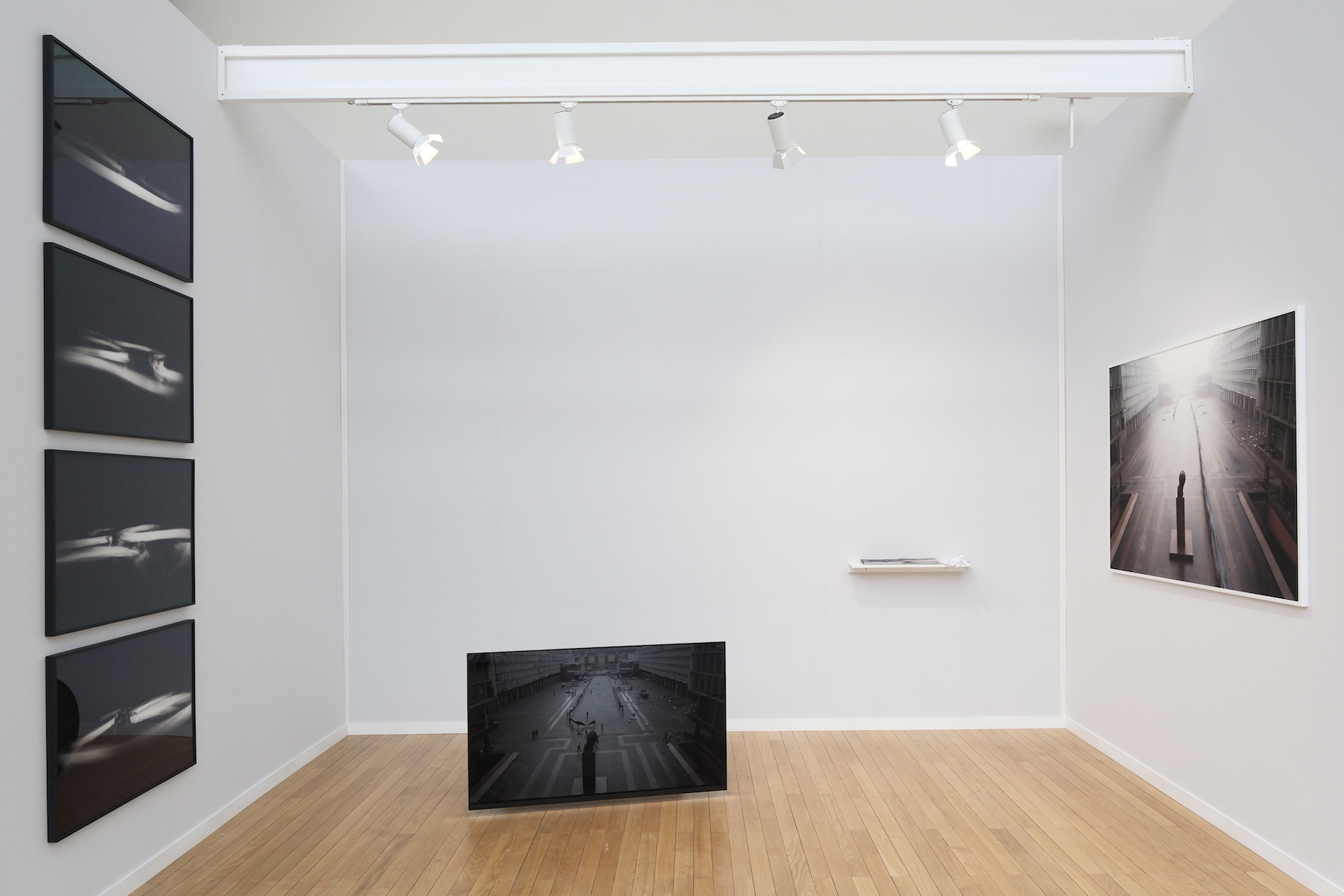
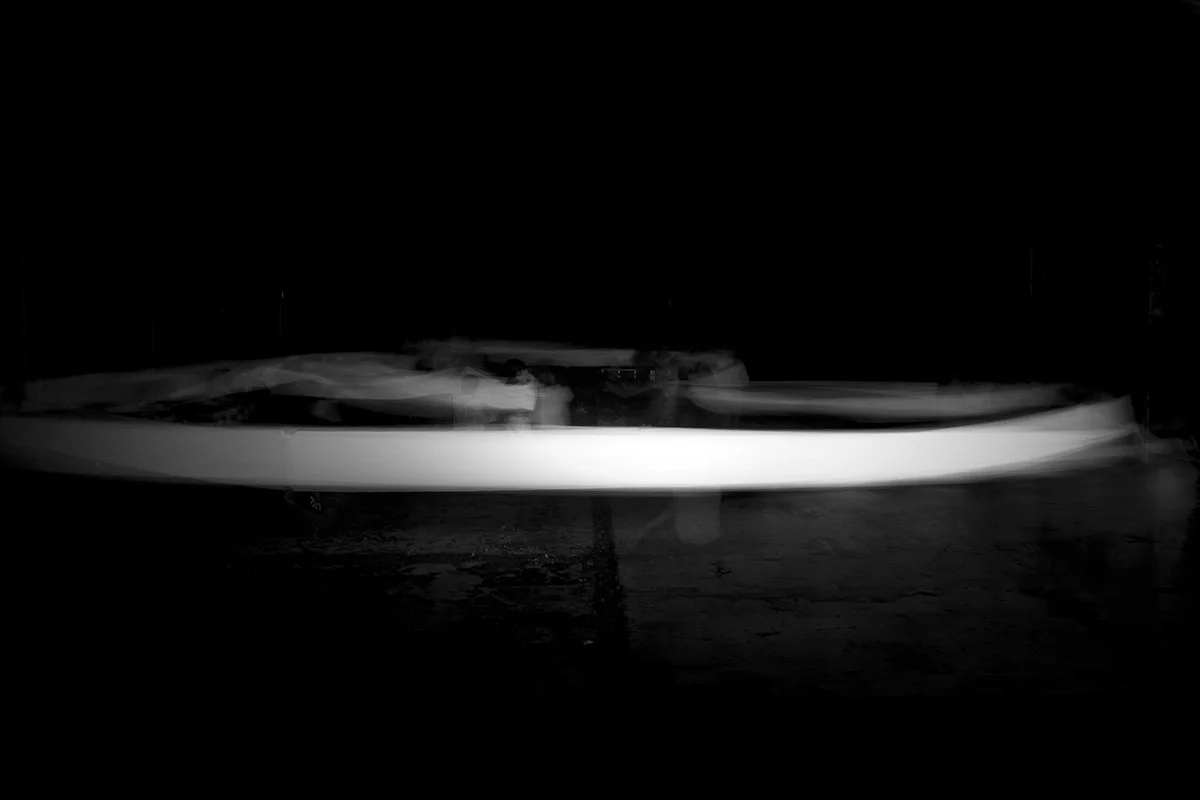
Ficcionados, Performance, Caracas, 2014 // Fotografía, impresión digital // 90 x 60 cm
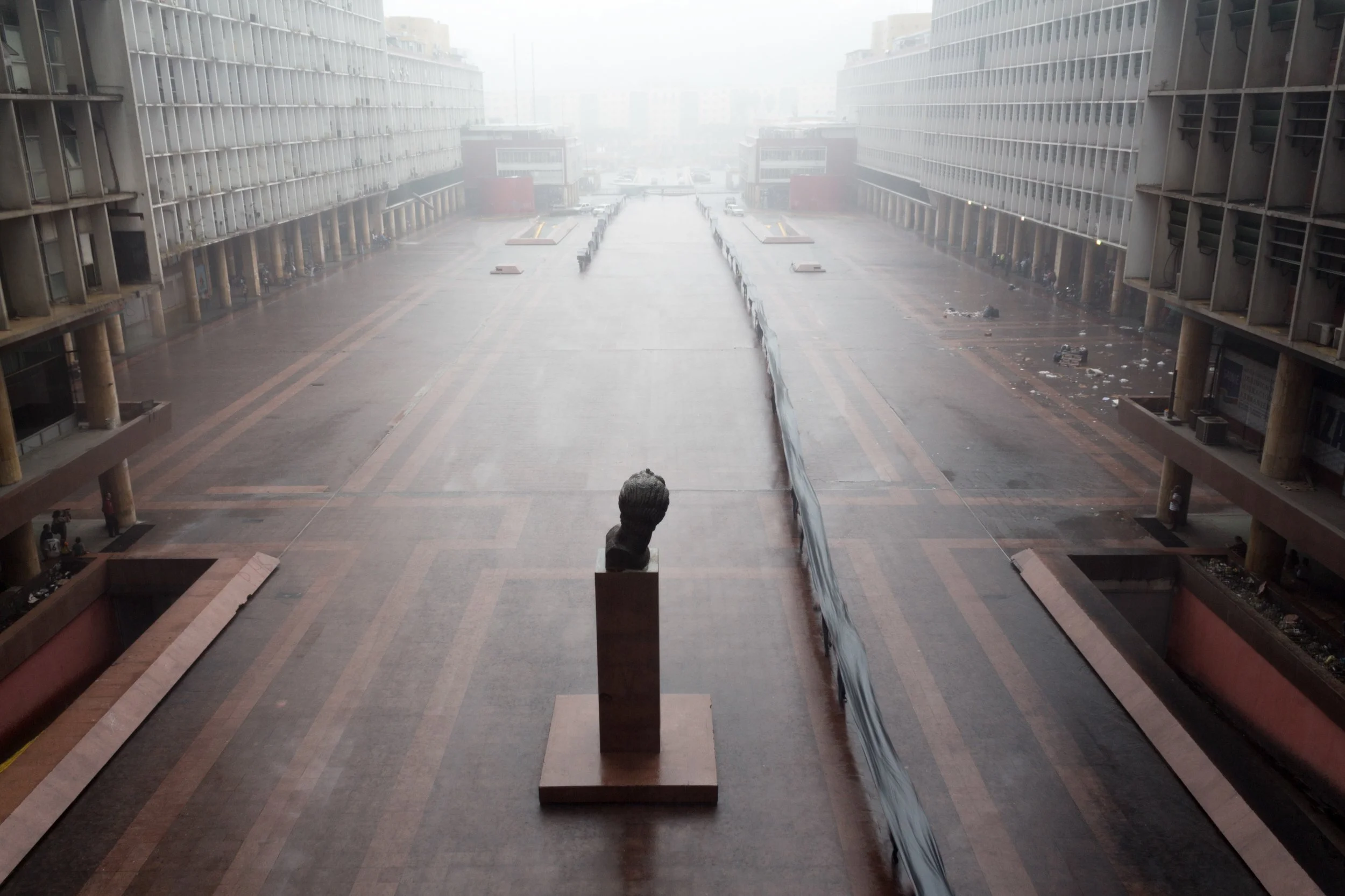
Área, Intervención participativa, Caracas, Venezuela, 2014 // Fotografía, impresión digital // 110 x 165 cm
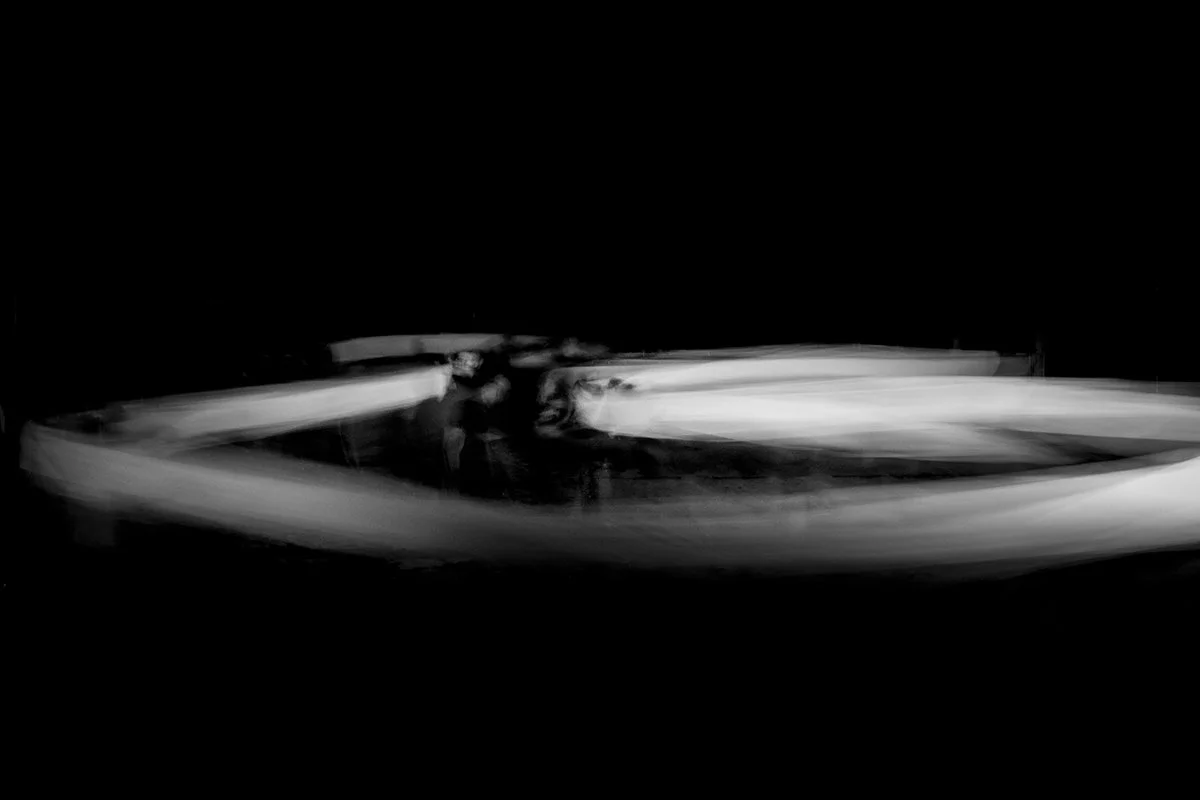
Ficcionados, Performance, Caracas, 2014 // Fotografía, impresión digital // 90 x 60 cm
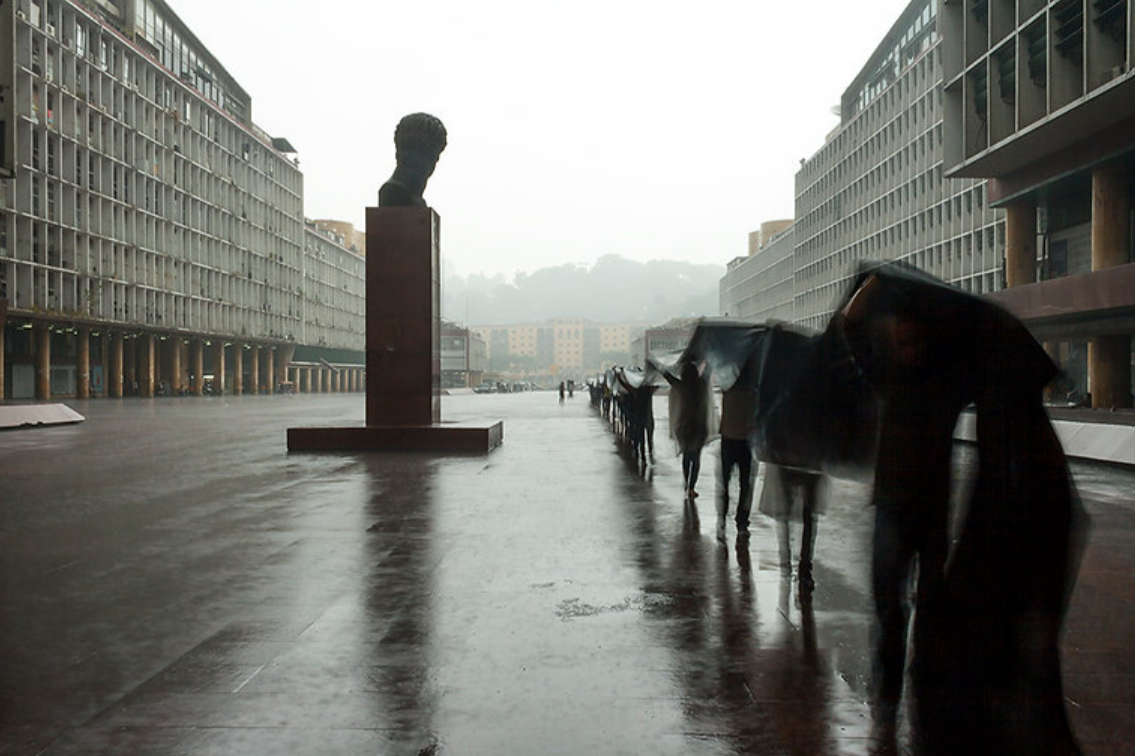
Área, Intervención participativa, Caracas, Venezuela, 2014 // Fotografía, impresión digital // 110 x 165 cm
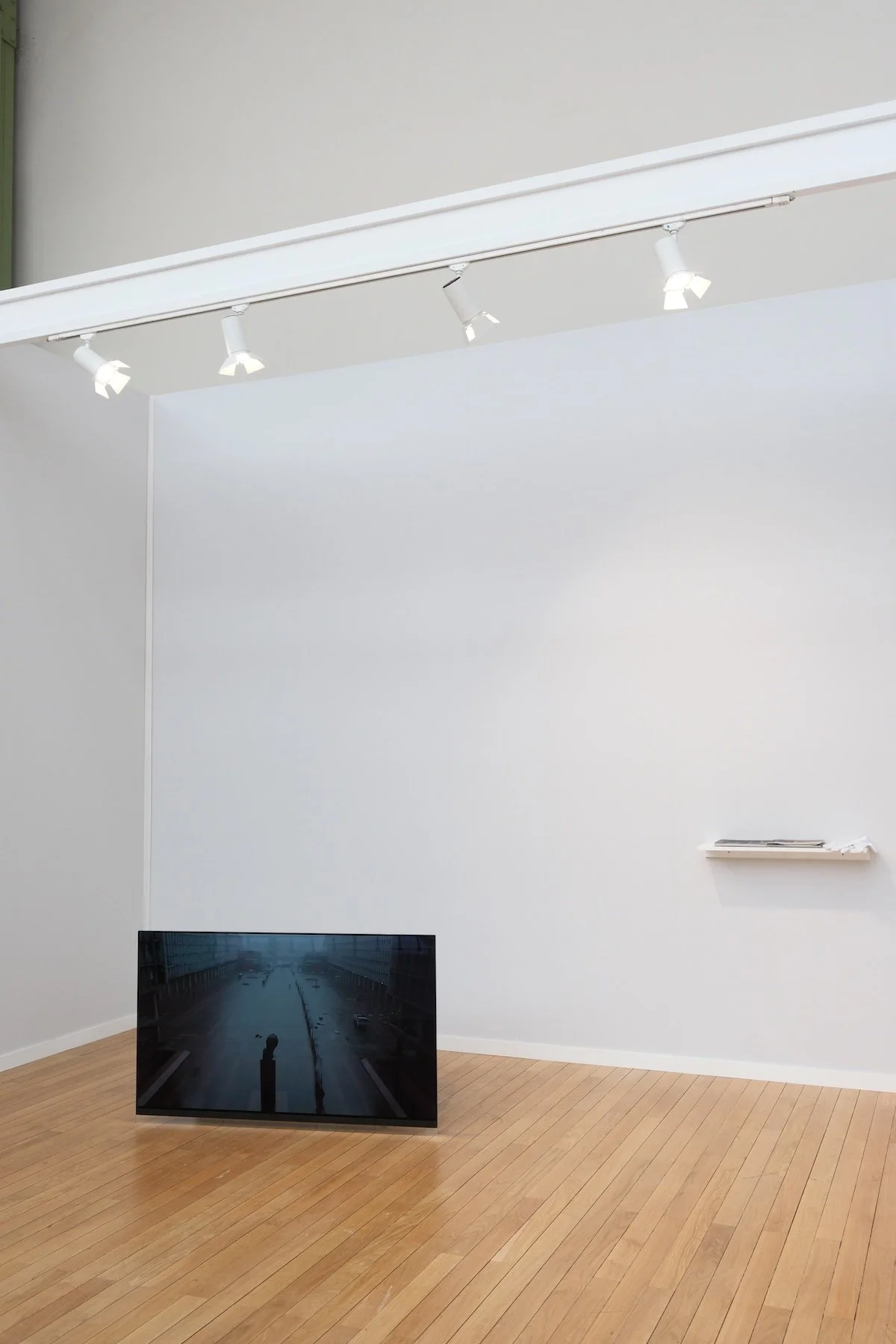
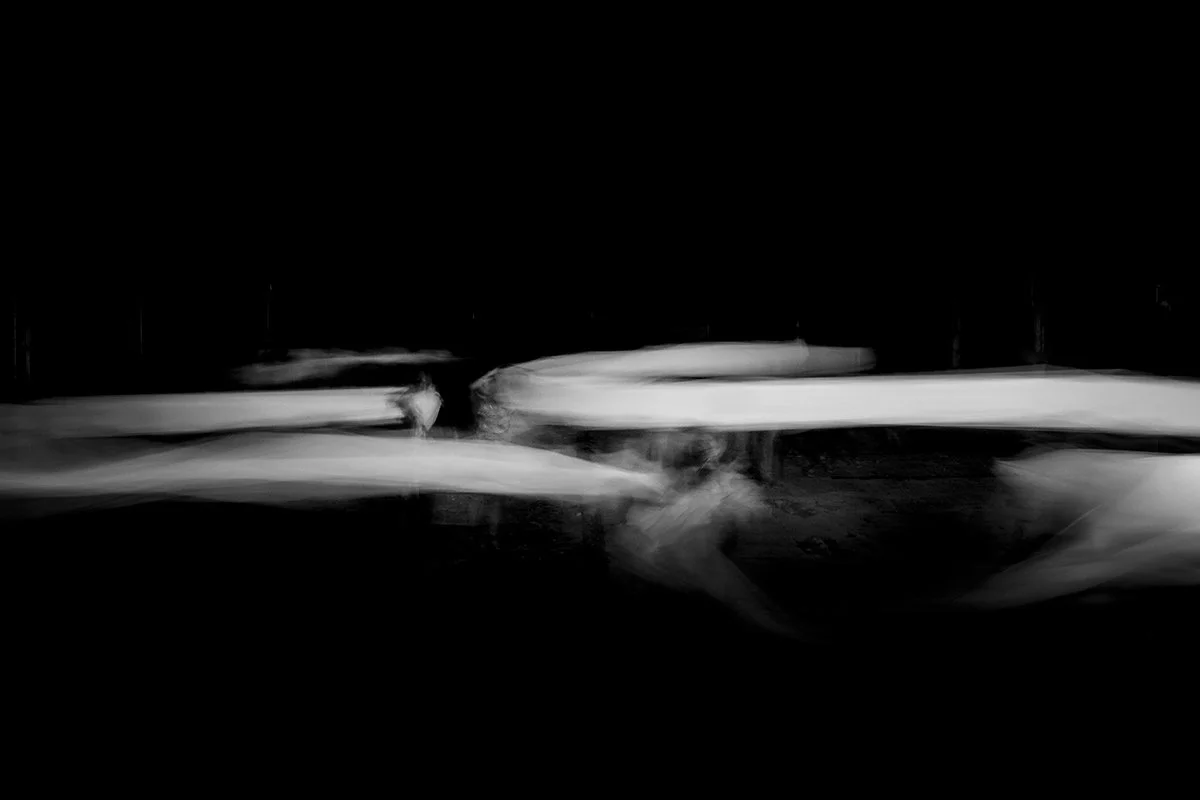
Ficcionados, Performance, Caracas, 2014 // Fotografía, impresión digital // 90 x 60 cm
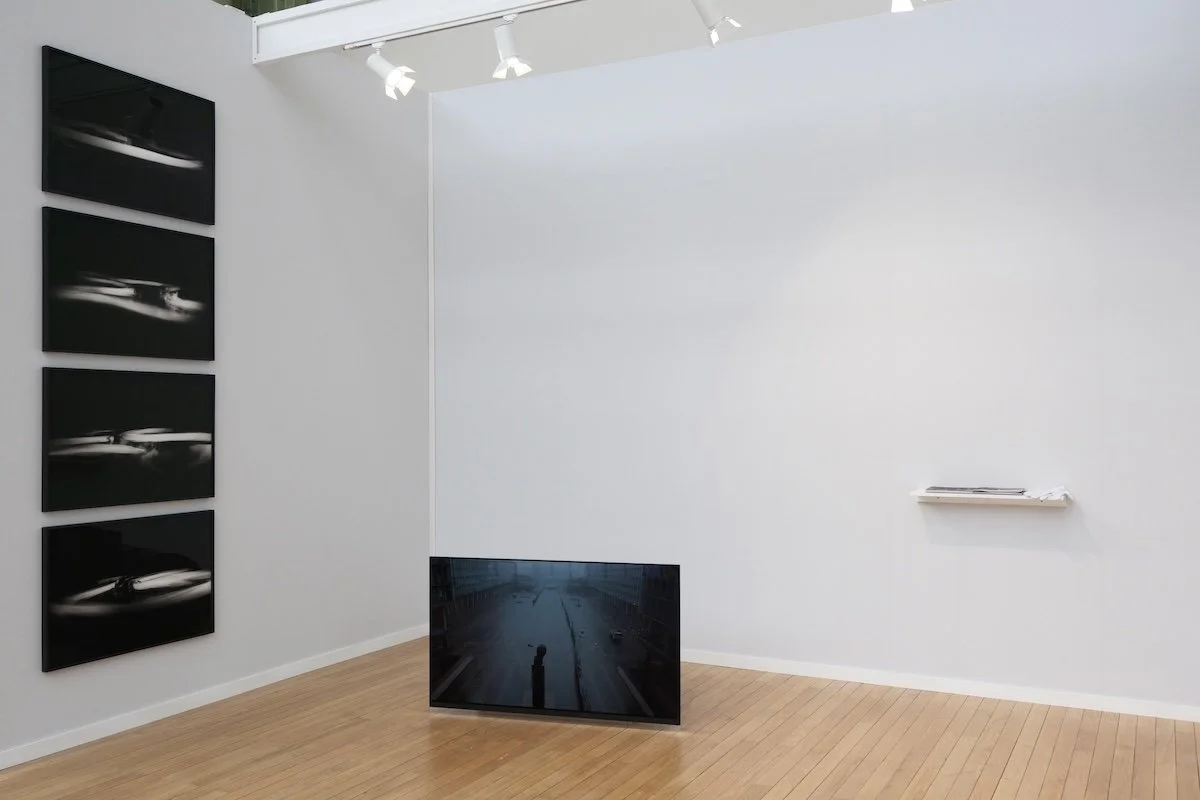
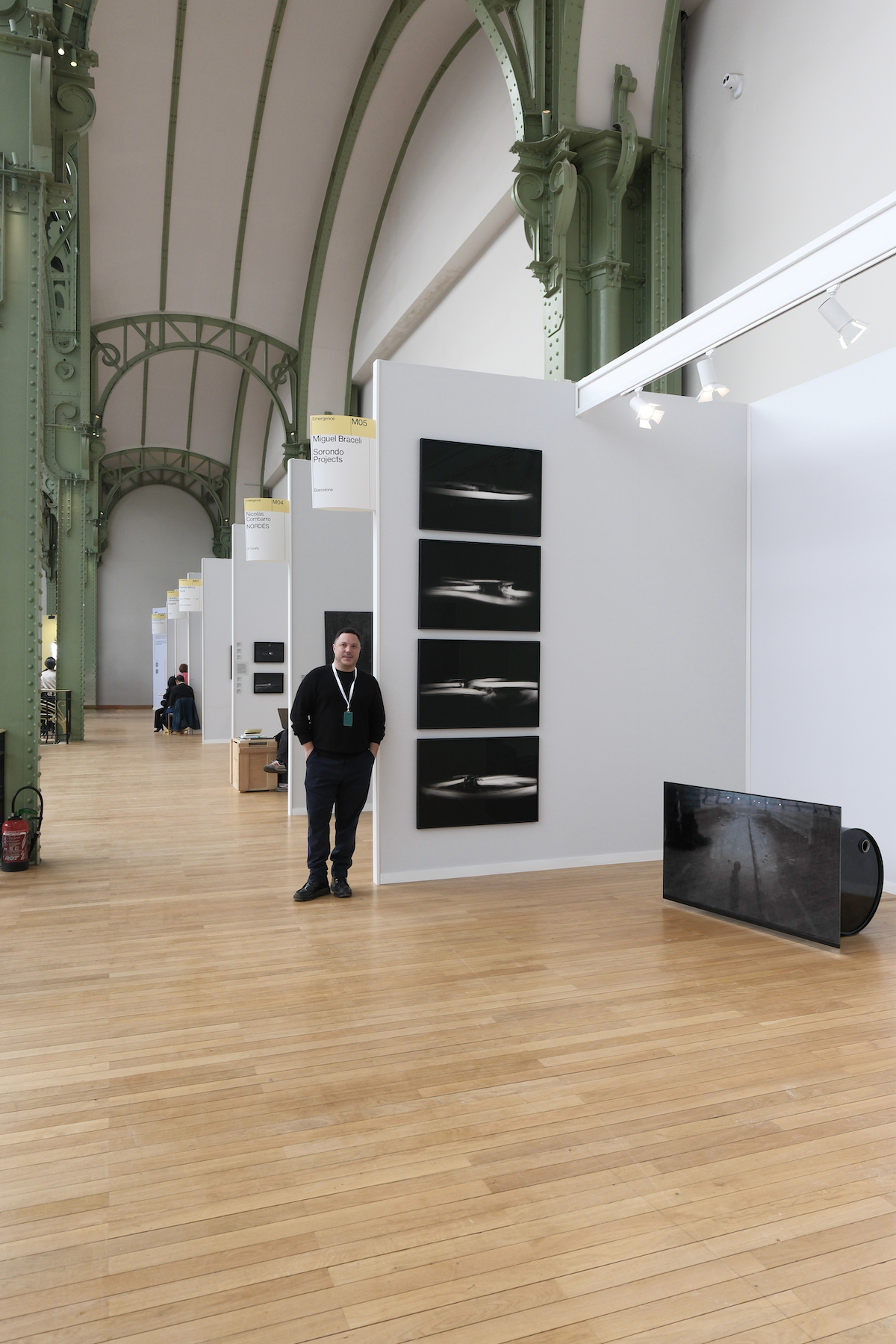
Irazú, Intervención participativa, Costa Rica, 2014 // Fotografía, impresión digital // 90x60 cm
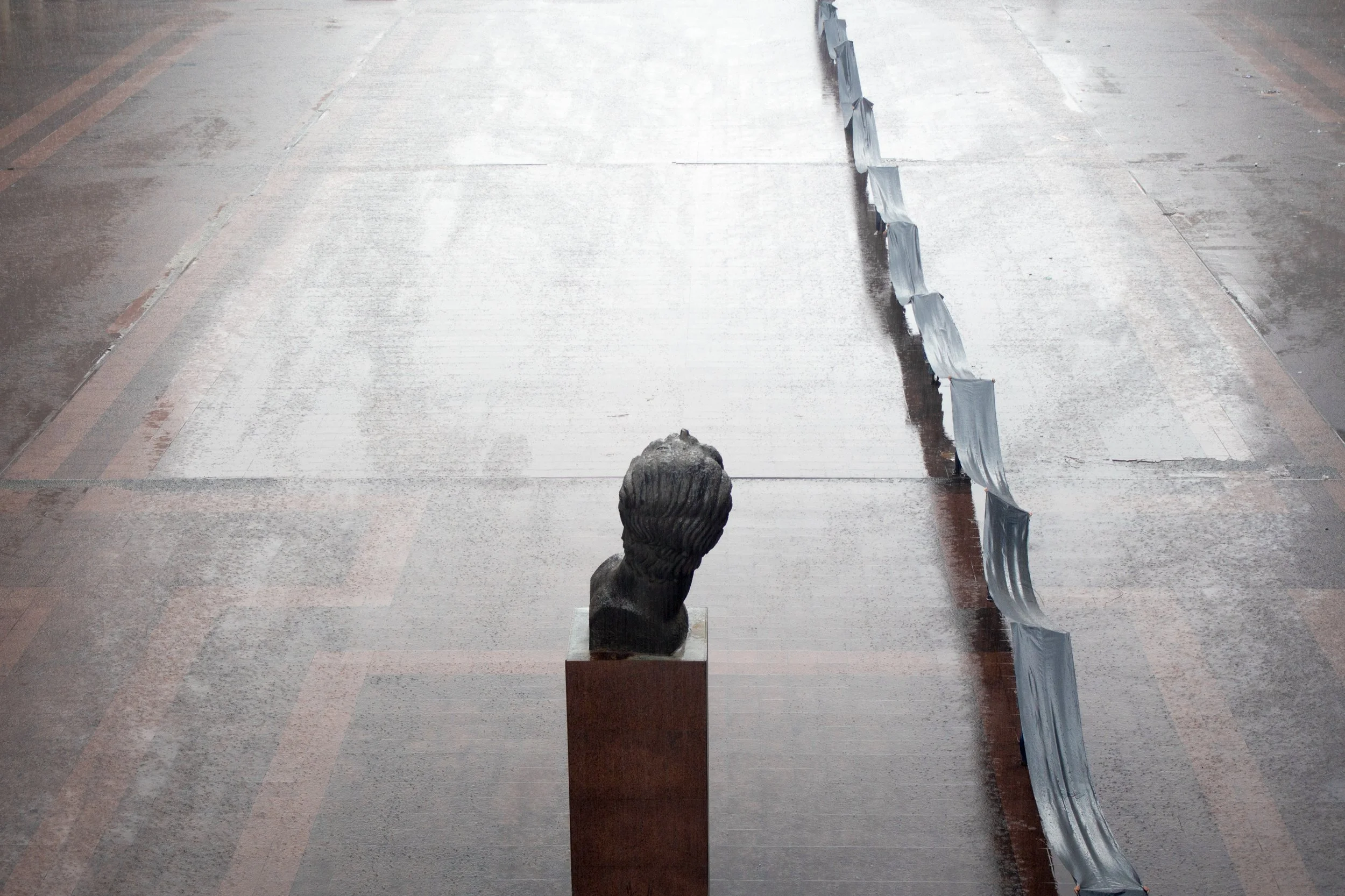
Área, Intervención participativa, Caracas, Venezuela, 2014 // Fotografía, impresión digital // 110 x 165 cm
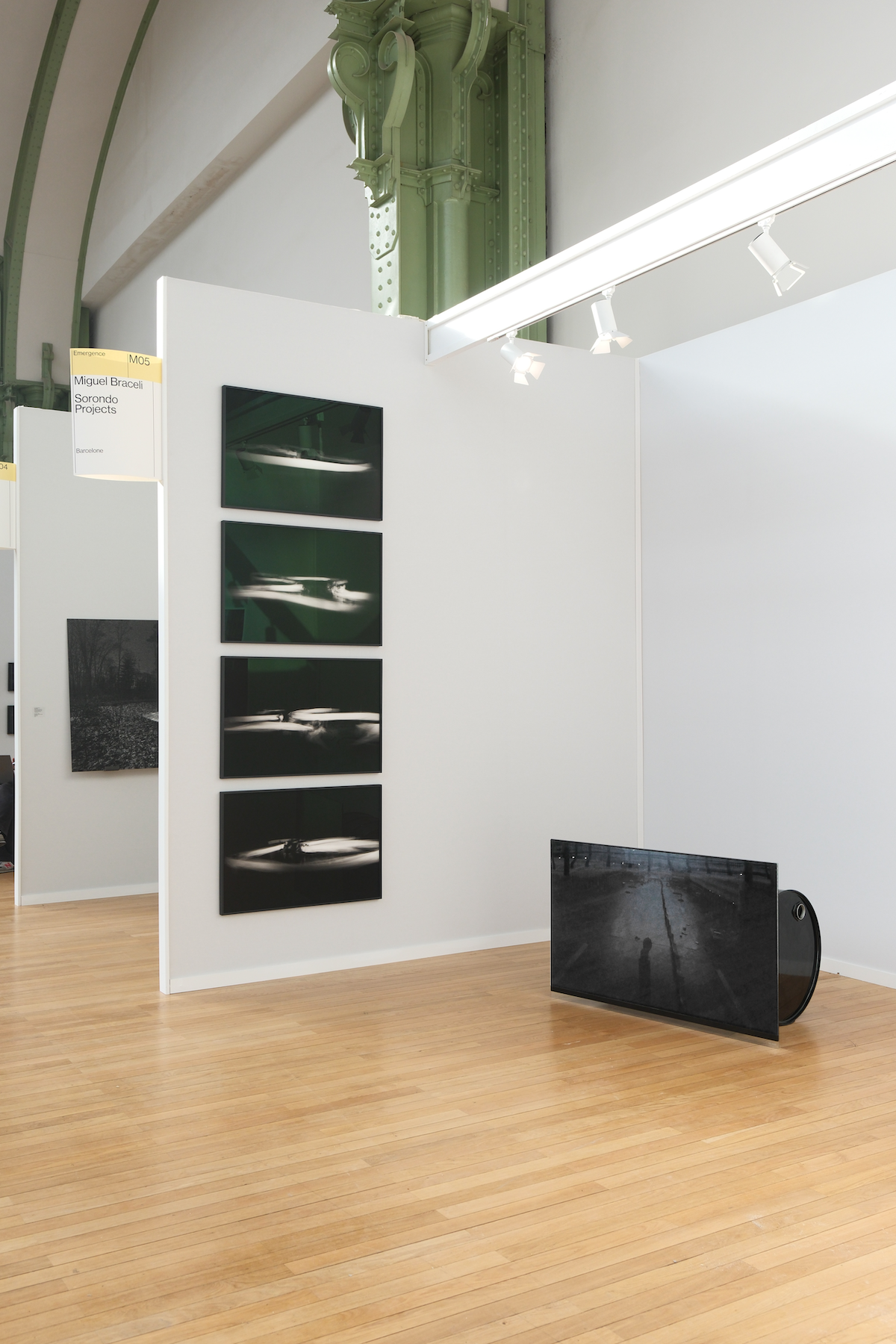

Coreotopias, Impression offset // Artist Book // 15 x 22,5 cm 250 editions
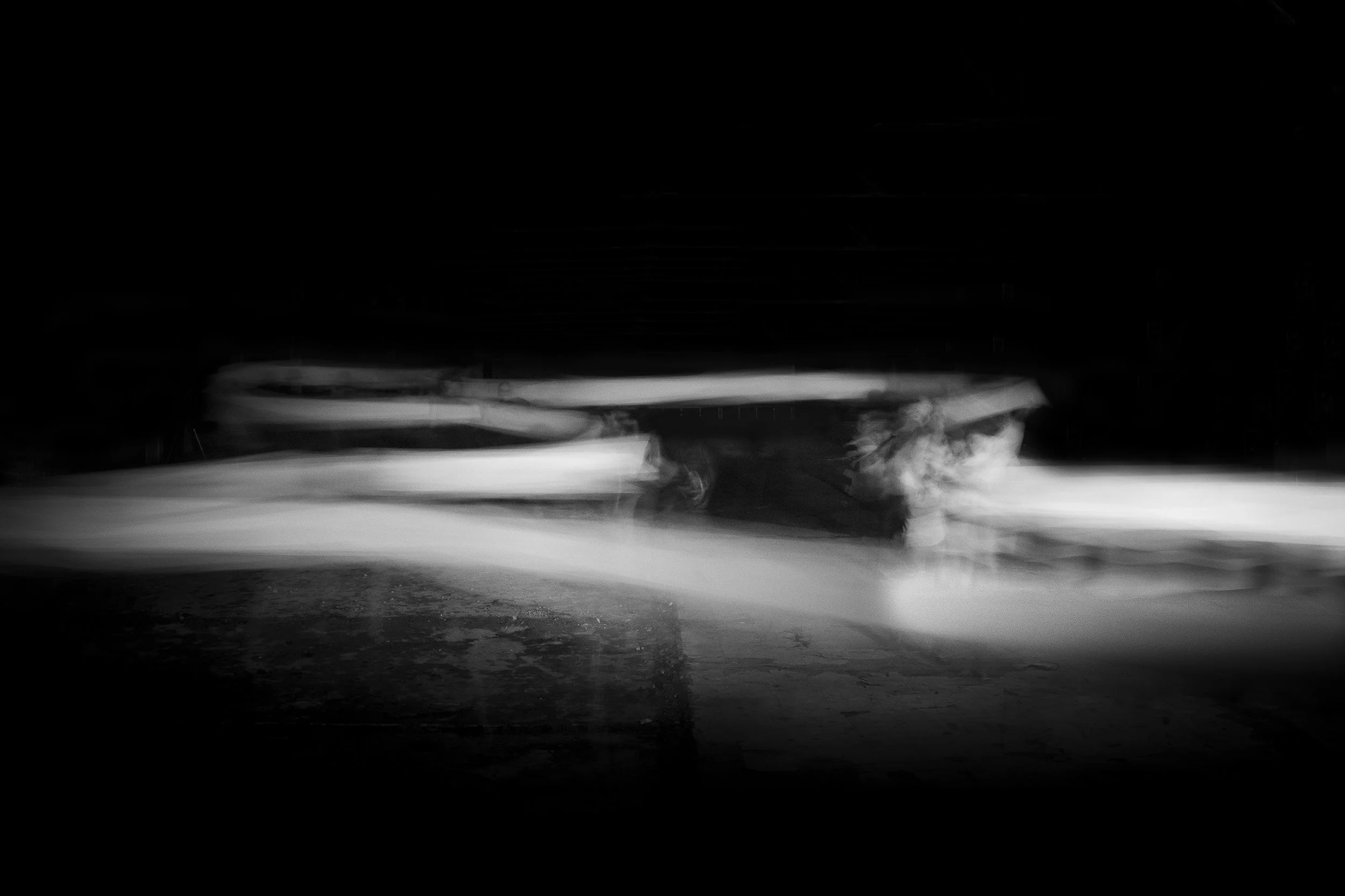
Ficcionados, Performance, Caracas, 2014 // Fotografía, impresión digital // 90 x 60 cm
Pour sa deuxième participation consécutive à Paris Photo, Sorondo Projects présente une sélection d’œuvres de Miguel Braceli dans le secteur Emergence, sous le commissariat d’Anna Planas. Dans le prolongement de la présentation inaugurée lors de Barcelona Gallery Weekend, le projet réunit Área (2014), Ficcionados (2014) et Irazú (2016), ainsi que le livre d’artiste Coreotopías. Ensemble, ces œuvres explorent la manière dont l’action collective façonne l’expérience de l’espace, entre la géographie politique de la ville, les structures imaginaires de l’architecture et les formes expansives du paysage naturel.
La présentation s’ouvre sur la vidéo de Área, accompagnée d’une installation sculpturale comprenant un baril de pétrole et un ara qui couronne un mât de drapeau nu. Réalisée sur la place Caracas, au cœur du quartier gouvernemental du Venezuela, Área a rassemblé soixante-dix participants afin de délimiter une surface de 400 mètres linéaires. Par un geste physique collectif, les participants ont temporairement reconfiguré un espace public marqué par la polarisation politique. Conçue comme une performance participative, l’œuvre cherchait à créer une « aire » commune où l’action collective pourrait remettre en question les discours polarisants et les récits de pouvoir entretenus par les gouvernements autoritaires. En transformant la division, stratégie politique utilisée pour perpétuer le pouvoir, en une occasion d’action collective, le projet proposait un terrain partagé dont les limites pouvaient être tracées, négociées et transformées collectivement. Dans l’exposition, la vidéo restitue la durée et le mouvement de cette rencontre, tandis que la sculpture qui l’accompagne soulève des questions liées au territoire, aux ressources naturelles et à la souveraineté.
Dans Ficcionados, développé avec des étudiants en architecture de l’Université Simón Bolívar à Caracas, Braceli fait du corps un instrument permettant d’imaginer et de construire l’espace. À travers une performance collective, les participants édifient des espaces sans matière. L’œuvre constitue un essai visuel sur des architectures fluides, issues d’une expérience ludique. Dans un contexte de précarité et de pénurie matérielle, la fiction devient la ressource dont disposent les étudiants pour construire et déconstruire les dimensions d’un bâtiment à travers un acte performatif. Ce projet étudie les formes de la matière et les possibilités infinies de ses modes de constitution.
Ces recherches se prolongent dans Irazú, une performance collective réalisée avec des étudiants en architecture au sein du paysage volcanique du Costa Rica. Leurs mouvements répondent à la topographie et aux conditions atmosphériques du site, produisant un dessin éphémère qui relie l’échelle du corps humain à l’immensité du paysage. Les photographies qui en résultent témoignent d’une rencontre au cours de laquelle le paysage est éprouvé par l’action collective, tandis que ses contours deviennent le point de départ pour imaginer d’autres possibilités spatiales et d’autres formes de relation entre l’être humain et la nature.
Le livre d’artiste Coreotopías accompagne la présentation et prolonge ces recherches sur la page imprimée. Réunissant les travaux de Braceli autour de performances collectives, la publication envisage le corps comme un lieu de recherche et le paysage comme un espace susceptible d’être réimaginé à travers des gestes partagés.
À travers ces œuvres, Miguel Braceli aborde la construction comme un processus poétique activé par les personnes et les territoires qu’elles habitent. Formé à l’architecture au Venezuela, il a développé sa pratique en réponse aux crises sociopolitiques du pays, explorant la manière dont l’action collective peut reconfigurer l’espace et remettre en question les notions établies de territoire, de pouvoir et d’appartenance. À la croisée de la performance et de la photographie, son travail transforme des gestes éphémères en expériences collectives. La photographie et la vidéo deviennent à la fois les traces de ces rencontres passagères et des moyens de formuler des prises de position politiques. Ancrée dans l’apprentissage collectif, sa pratique fait de la production artistique une forme d’action sociale et politique, ouvrant de nouvelles possibilités quant aux manières de construire l’espace, de revendiquer un territoire et d’imaginer des futurs collectifs.