
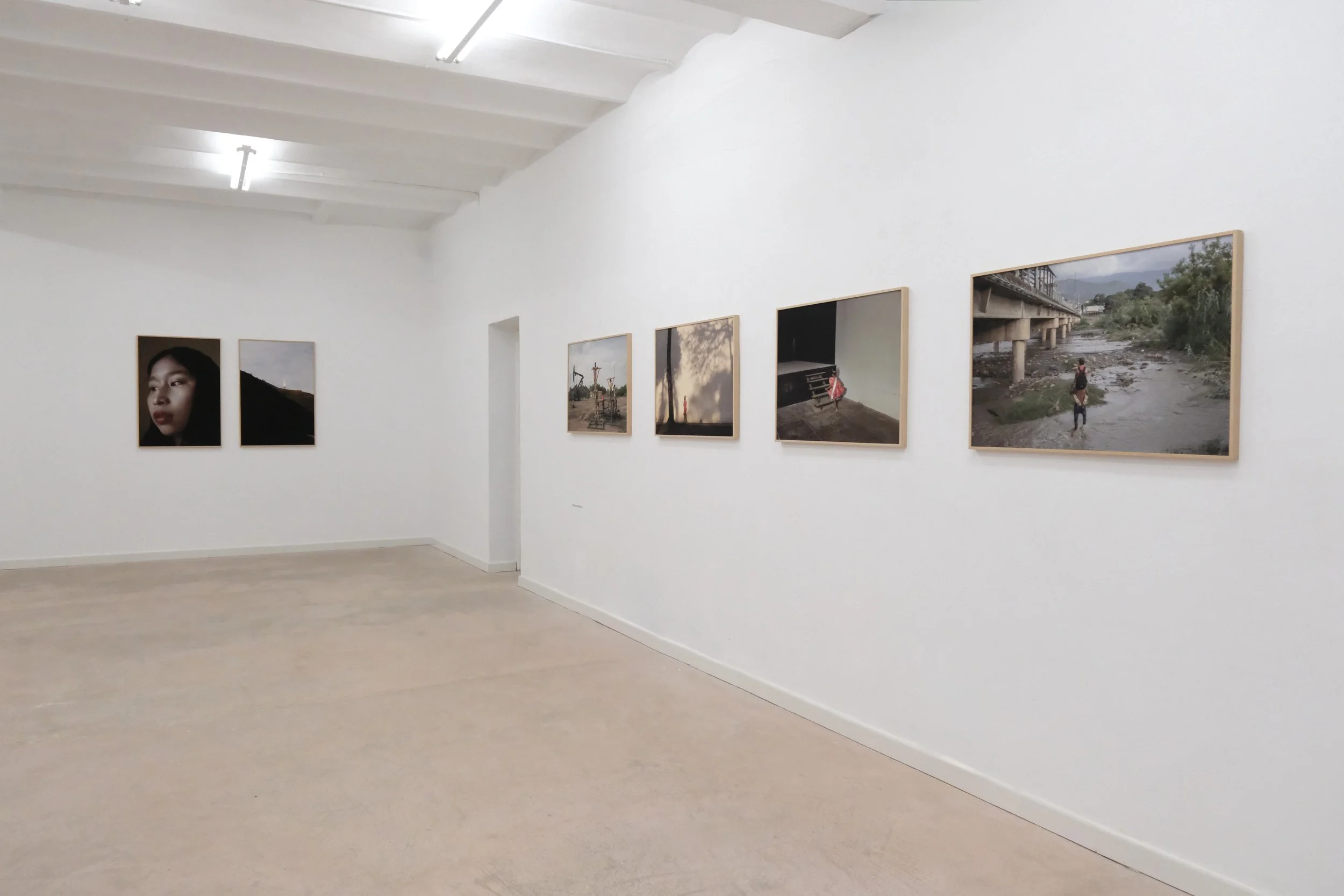
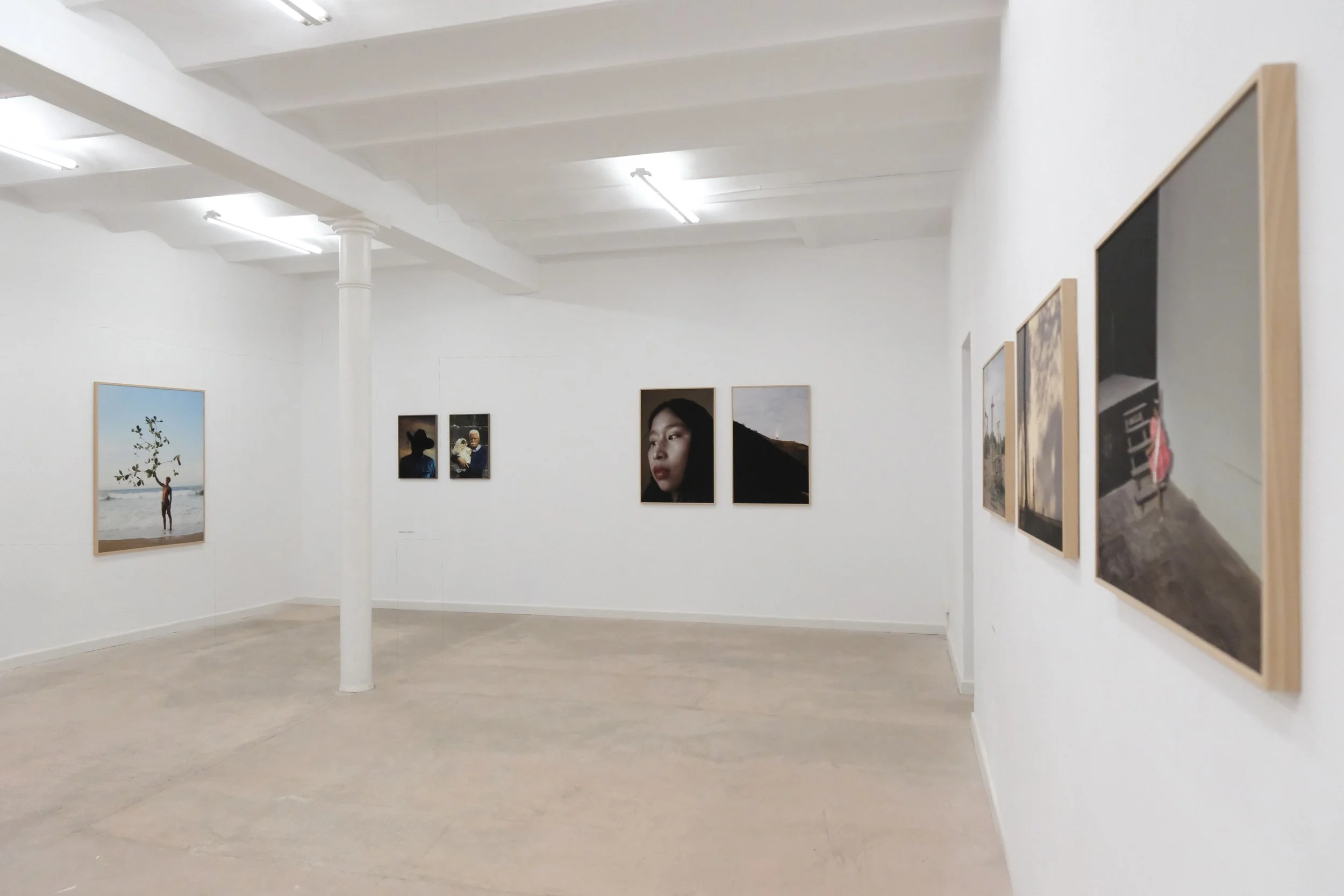
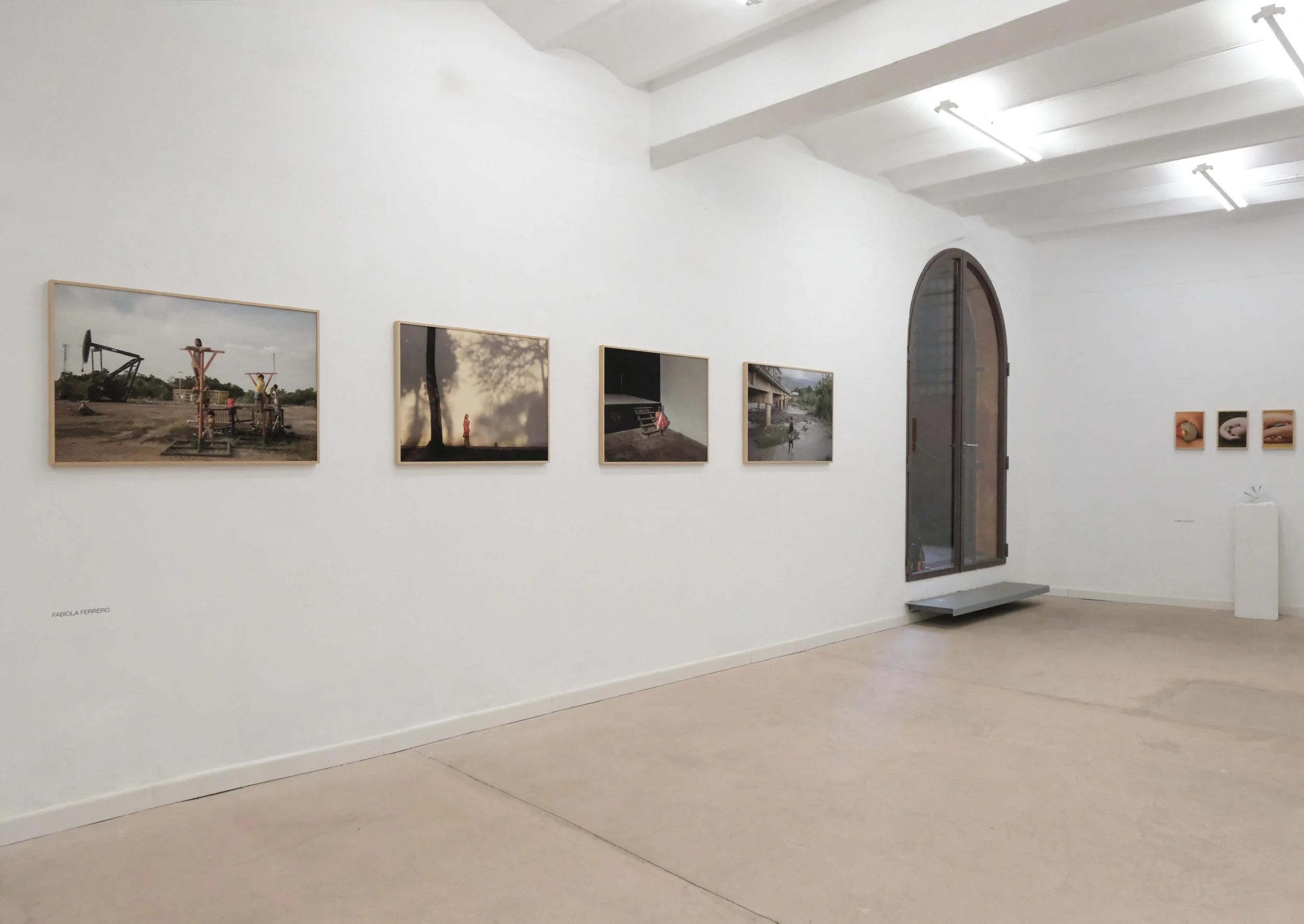
eL CALOR DE OTROS SOLES
Fabiola Ferrero, Marisol MendeZ, Silvana Trevale & Daniel Santolo Franco
25 June - 3 September
“I was leaving the South
to fling myself into the unknown . . .
I was taking a part of the South
to transplant in alien soil,
to see if it could grow differently,
if it could drink of new and cool rains,
bend in strange winds,
respond to the warmth of other suns
and, perhaps, to bloom”
― Richard Wright
There are departures that are not born from the desire to leave, but from the necessity of imagining a future under a different light. For many Latin Americans, migration means learning to exist across distances: between the memory of one place and the uncertainty of another, between what has been left behind and what continues to endure. El calor de otros soles (The Warmth of Other Suns) brings together the works of four young Latin American photographers, who are now living in Europe: Fabiola Ferrero, Marisol Mendez, Silvana Trevale and Daniel Santolo Franco.
The exhibition takes its title from the ideas explored in Isabel Wilkerson’s seminal book The Warmth of Other Suns (2010), which traces the journeys of African American communities who migrated from the Southern United States. Through a compilation of individual stories, Wilkerson depicts migration as a deeply complex human experience shaped by the pursuit of a better future. While Wilkerson’s work is grounded in historical research and first hand testimonies of the Great Migration, the artists gathered here approach migration through the lens of personal experience and the realities of their own communities. They reveal intensely personal and nuanced narratives that highlight the complexities, contradictions, and opportunities inherent in the immigrant journey.
Fabiola Ferrero (Caracas, 1991; based in Paris) is a documentary photographer whose work examines the cultural legacies of Venezuela’s twentieth-century oil-fueled modernization. Drawing on a background in writing and investigative journalism, her practice explores the intersections of politics, history, and collective memory. Through her images, Ferrero reveals the contradictions that shape contemporary Venezuela, juxtaposing the glamour and aspirations associated with a once-prosperous nation against the realities of displacement, scarcity, and survival brought about by the country’s ongoing socio-political crisis. Rather than presenting a singular narrative, her work highlights the complexity of Venezuelan experience, foregrounding both the resilience and vulnerability of those navigating profound social change. With a sensitive and observational approach, Ferrero captures moments with honesty and immediacy, inviting viewers to confront the tensions between memory and loss, privilege and hardship, aspiration and survival.
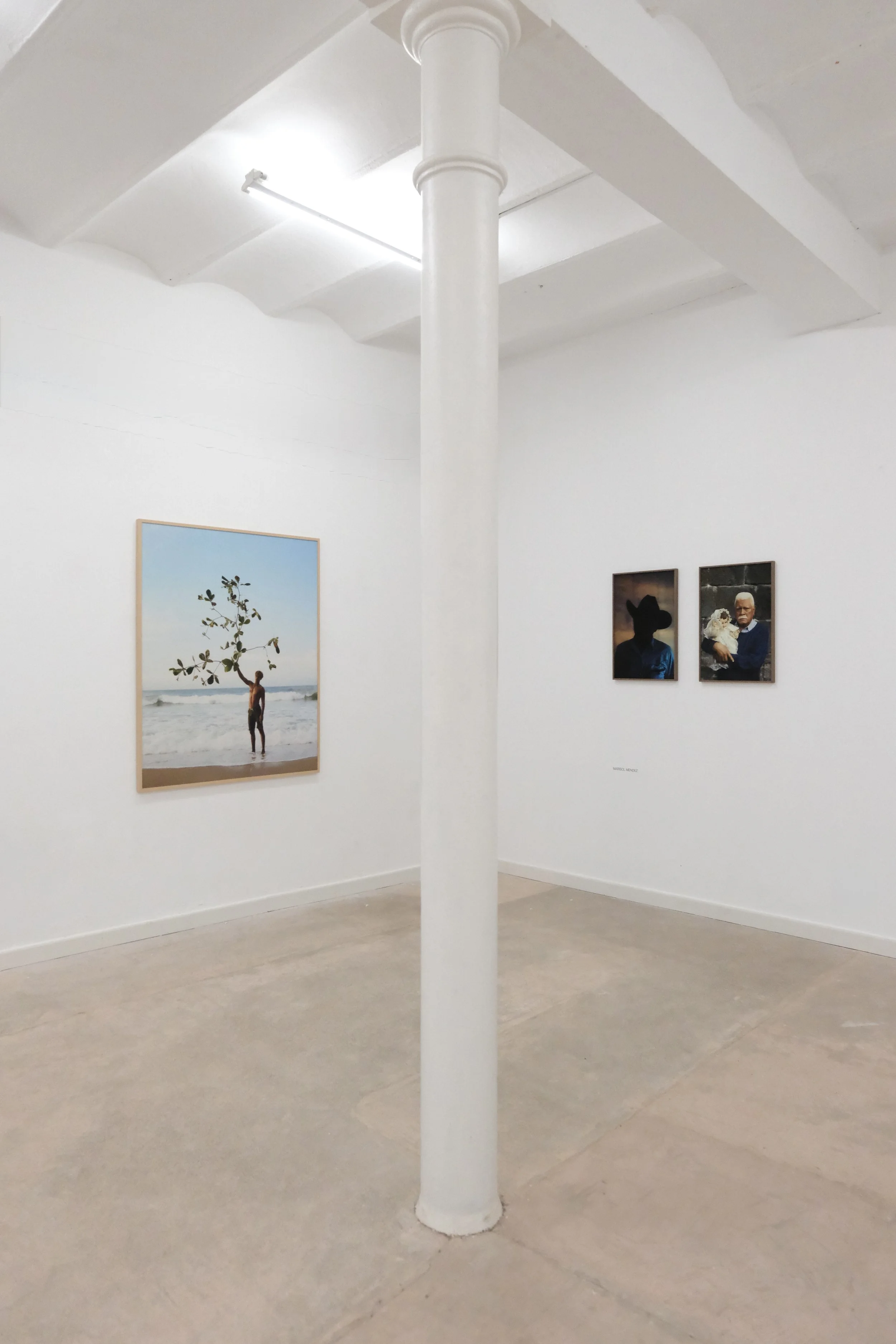
Marisol Mendez (Cochabamba, 1991, based in Paris) is a visual artist whose practice blurs the boundaries between truth and fiction, inviting viewers to question the narratives constructed through photography. Deeply rooted in the landscapes, folklore, and social histories of Bolivia, her work seeks to forge genuine connections with her subjects while weaving together layers of meaning that resonate with collective memory and imagination. Working across staged and documentary approaches, Mendez explores how images shape our understanding of identity, gender, and belonging. The series MADRE and PADRE examine the cultural constructions of femininity and masculinity in contemporary Bolivia through the lens of family history, religion, and inherited social norms. In MADRE, Mendez combines Andean folklore, Catholic iconography, and interventions in her family archive to challenge reductive representations of women and reconnect with her matrilineal heritage. In PADRE, she turns her attention to masculinity, tracing the emotional legacies of machismo through staged portraits, archival materials, and intimate family narratives. Together, these bodies of work reveal the complexities and contradictions embedded within collective identity, questioning the stories images preserve and the systems of belief they sustain.
Silvana Trevale's (Caracas, 1993, based between Barcelona and New York) compelling portraits highlight the resilience of Venezuelans amidst the turmoil of their homeland. Her series, "Venezuelan Youth," captures the beauty and strength of a generation striving to create a future despite overwhelming challenges. Silvana's work is a tribute to her roots, showcasing the lived realities of individuals who remain in Venezuela, determined to reshape their homeland. Each photograph reflects a blend of documentary and symbolism, celebrating the natural beauty of her subjects while also addressing the social and political crises they face. Silvana's commitment to Venezuela’s youth and culture is shown through her work and actions, as she donates a portion of her work's sales to organisations supporting youth in her homeland, ensuring that their stories are not just seen but also acted upon.
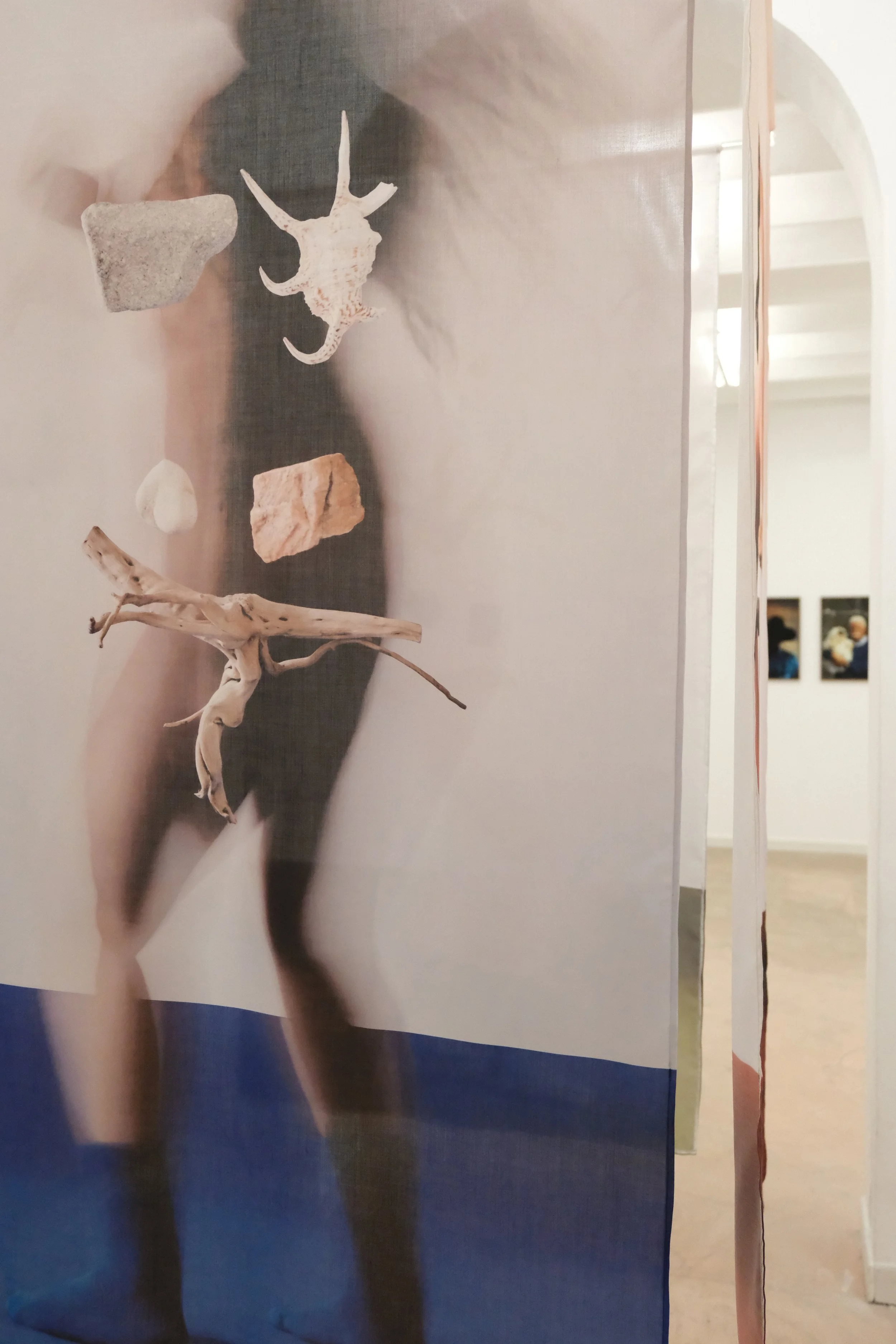
Daniel Santolo’s (Caracas, 1993, based in Barcelona) work invites viewers to consider the migrant body as a living map, a territory continually reshaped by memories and experiences. His project, "Cartography in Transit," reflects on how identity evolves through migration. Daniel poignantly illustrates that the body carries the imprints of its journey, showing a personal mapping of lived experiences. His exploration reveals the in-between spaces that migrants inhabit, between what is left behind and what is embraced, between origins and destinations. Through his lens, each individual emerges not just as an island of solitude but as part of a broader community that fosters belonging, reminding us that home is where we come from, but also where we choose to grow our roots, build and nurture connections.
The works by the photographers on the show do not seek to explain their communities through fixed narratives or inherited labels. Instead, each image insists on the right to complexity and flexibility. What appears in these photographs is not nostalgia, but a continuity: the persistence of gestures, affections, values, and ways of being together that refuse disappearance. Even at a distance, these four photographers continue to pay homage to the people and places that formed them, not to idealise them, but by allowing their existence to live on. This show celebrates the often overlooked Latin American diversity rather than the melancholy as a means of belonging. A celebration of communities that continue to bloom under another sun, carrying with them the knowledge that there is space for everyone, and that sharing where we come from is perhaps one of the most generous ways of imagining a future together. El calor de otros soles invites audiences to reflect on their own connections to identity and community, ultimately celebrating the resilience found in the journeys of those who seek to redefine their roots, all while carrying parts of their home with them on their immigrant journey.
Words by Joanne Sarkis
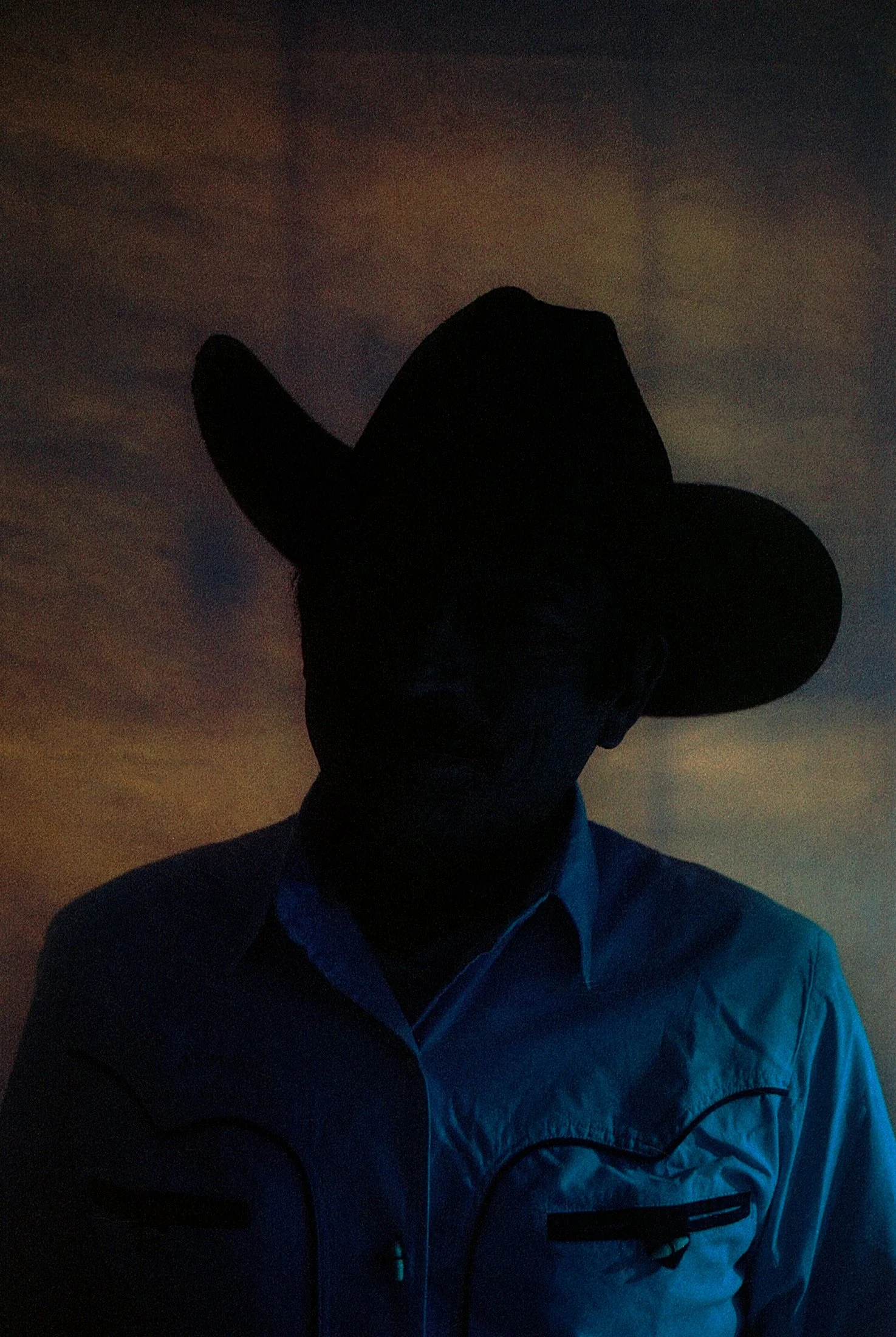
Marisol Mendez // Charro, ca. 2024 // Print on Hahnemühle Museum Etching paper // 60 x 40 cm
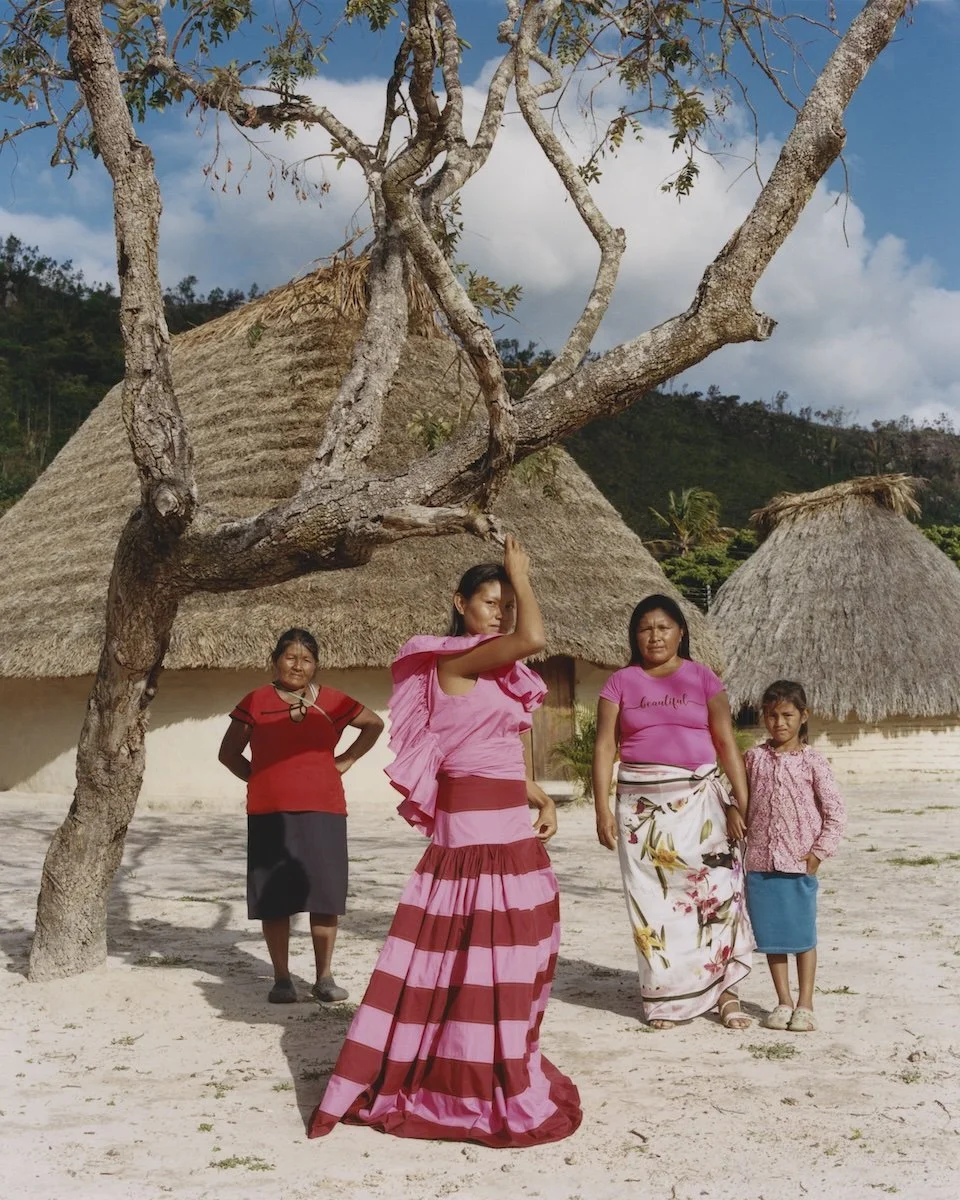
Silvana Trevale // Mujeres de Kanaimö, 2025 // Gicleé print on Hahnemühle Matt Fibre paper // 41 x 34 cm
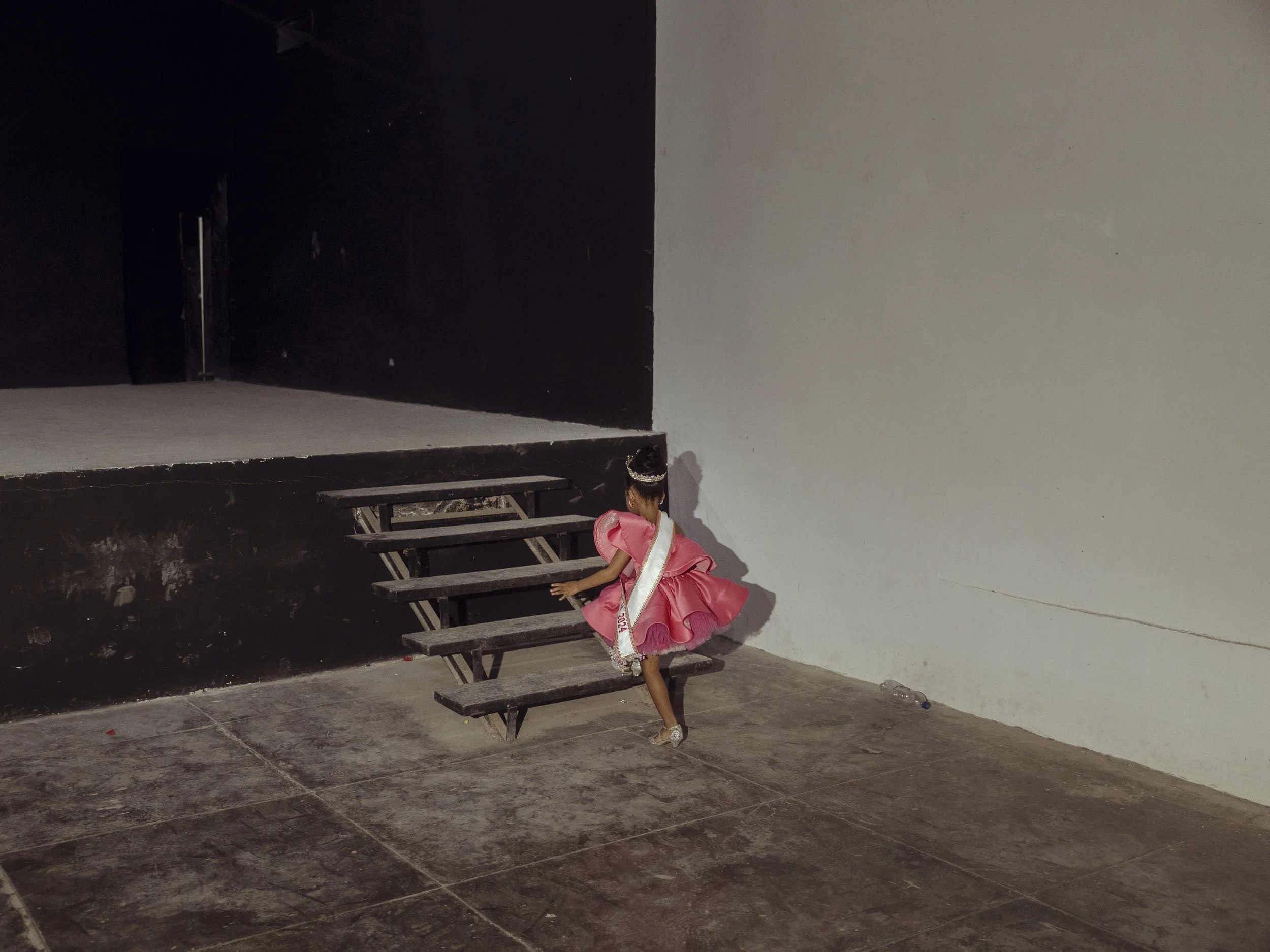
Fabiola Ferrero // Reinas (2025-2026), Miss Crystal // Gicleé print on Hahnemühle Matt Fibre paper // 60×80 cm
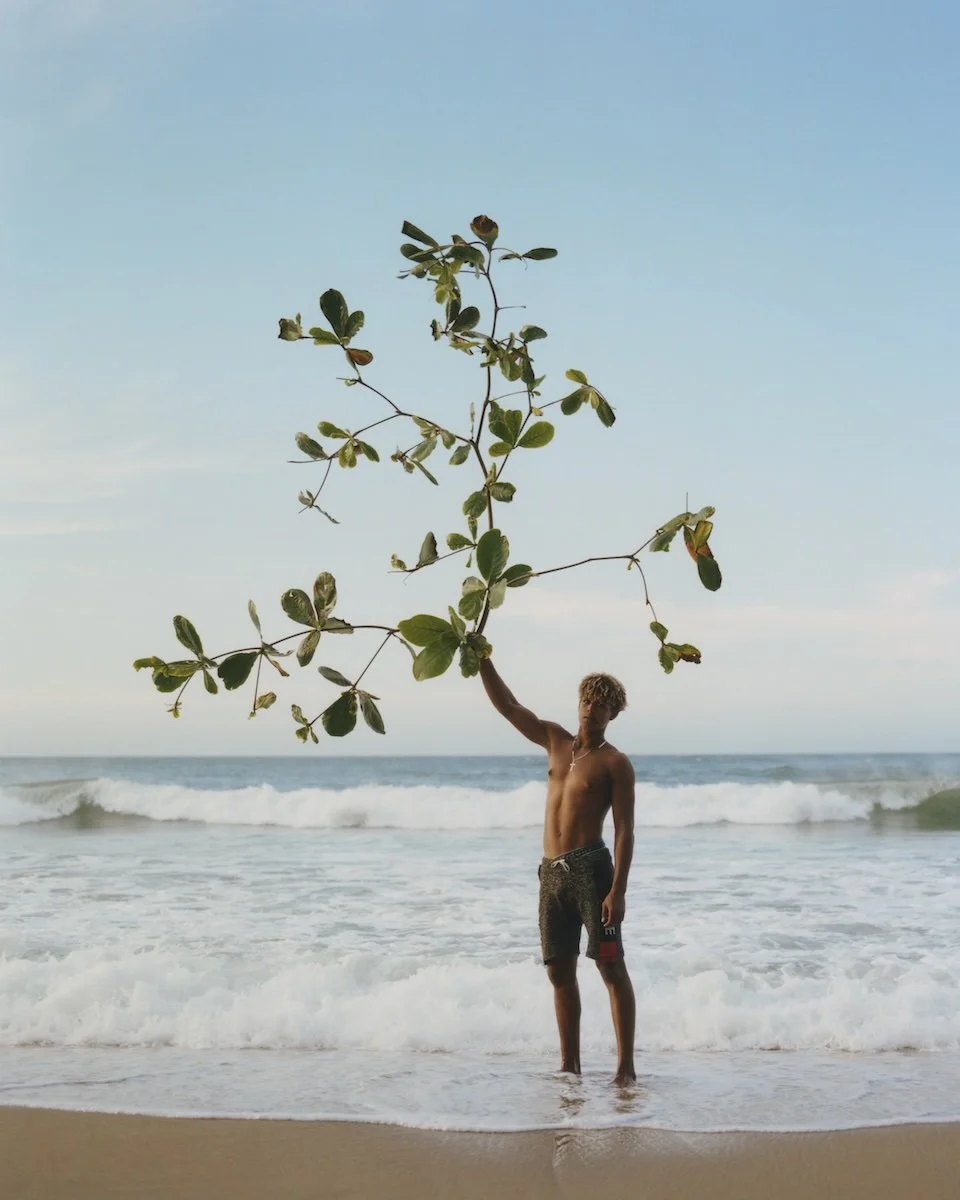
Silvana Trevale // Venezuelan Youth II (Ángel) 2021 // Gicleé print on Hahnemühle Matt Fibre paper / // 133 x 100 cm
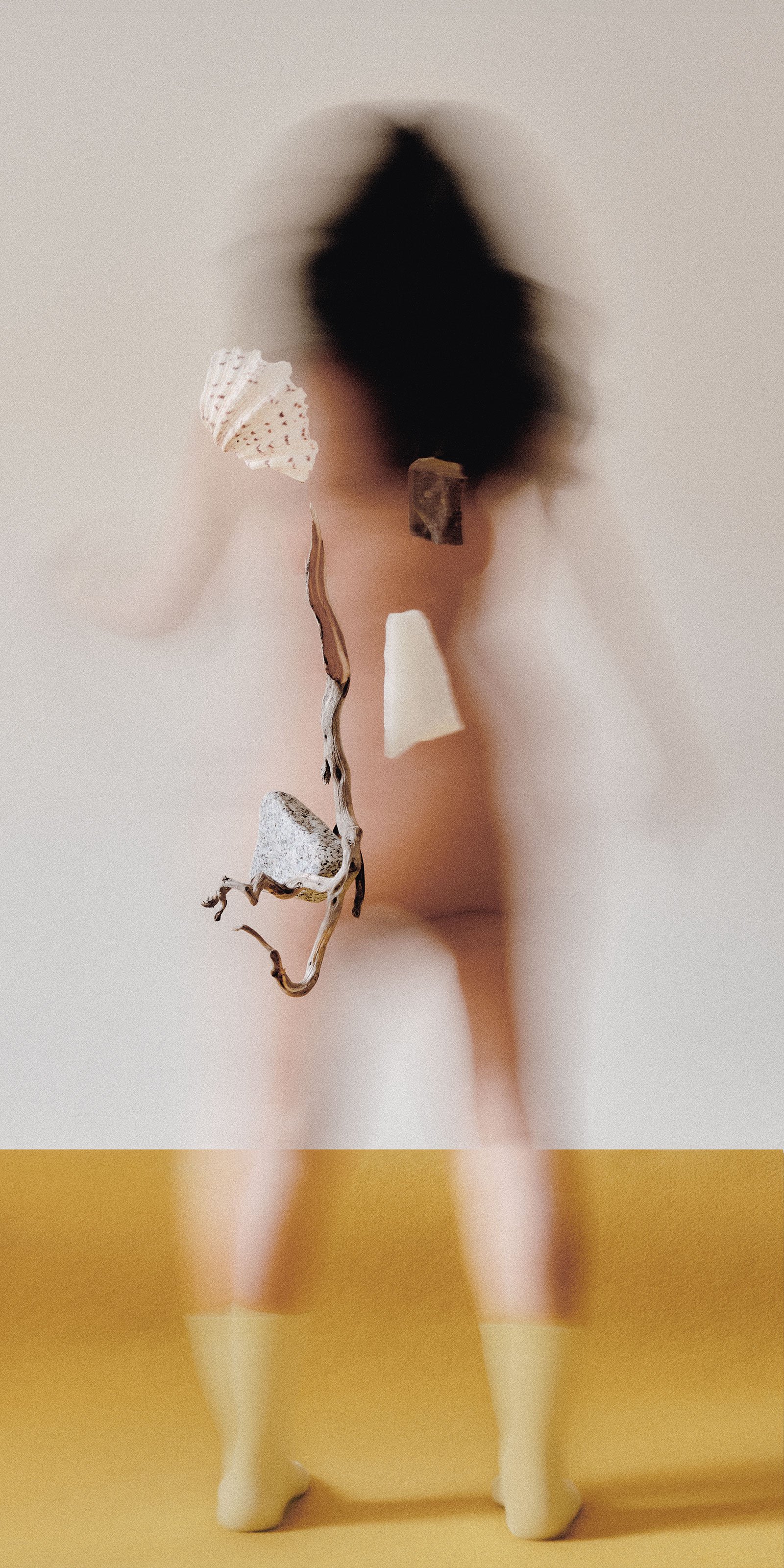
Daniel Santolo // Cartografia Amarilla, 2026 // Digital Print on Lightweight Voile Fabric Kyoto // 180 x 90 cm
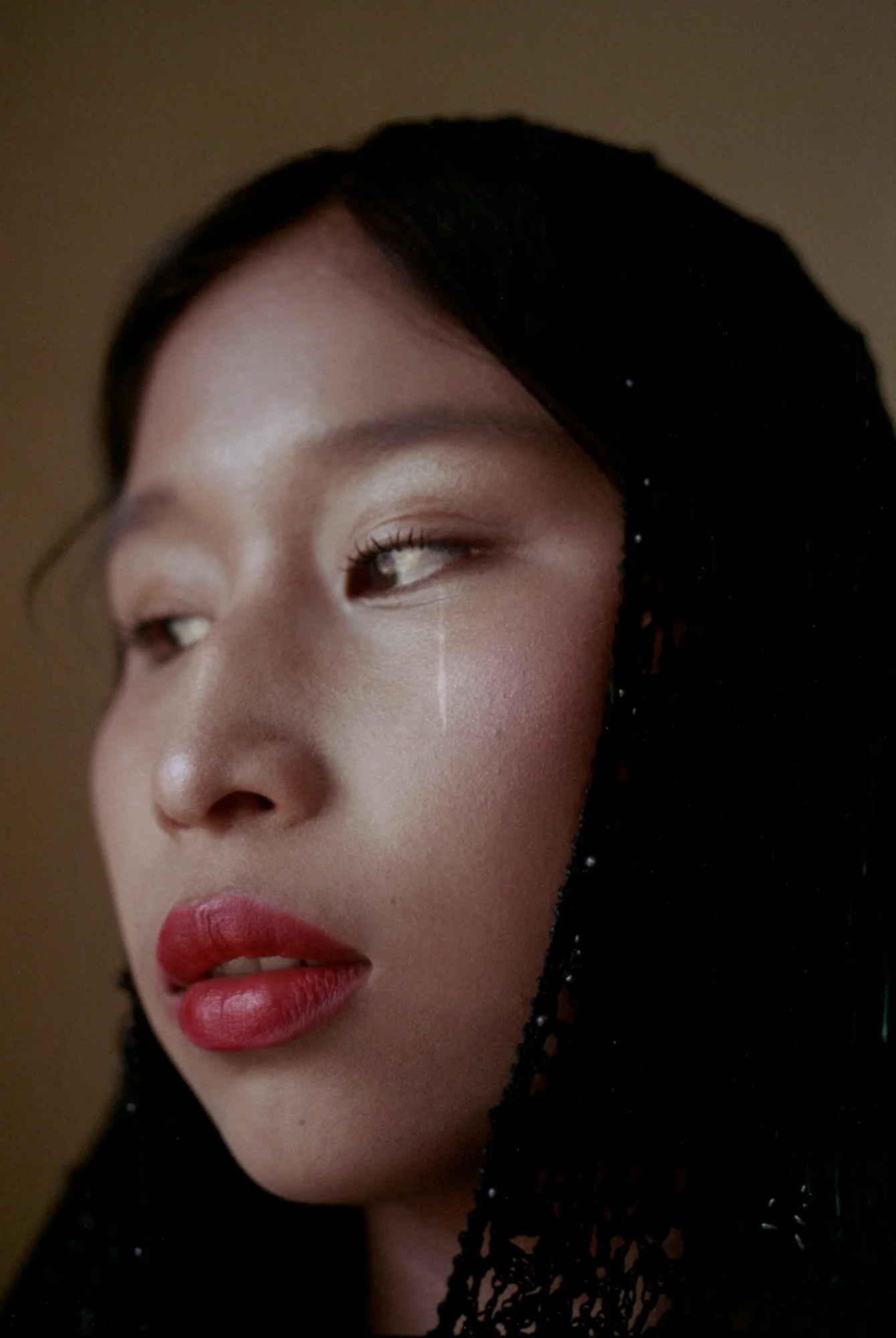
Marisol Mendez // Dolorosa, 2019 // Gicleé print on Hahnemühle Matt Fibre paper // 100x67 cm
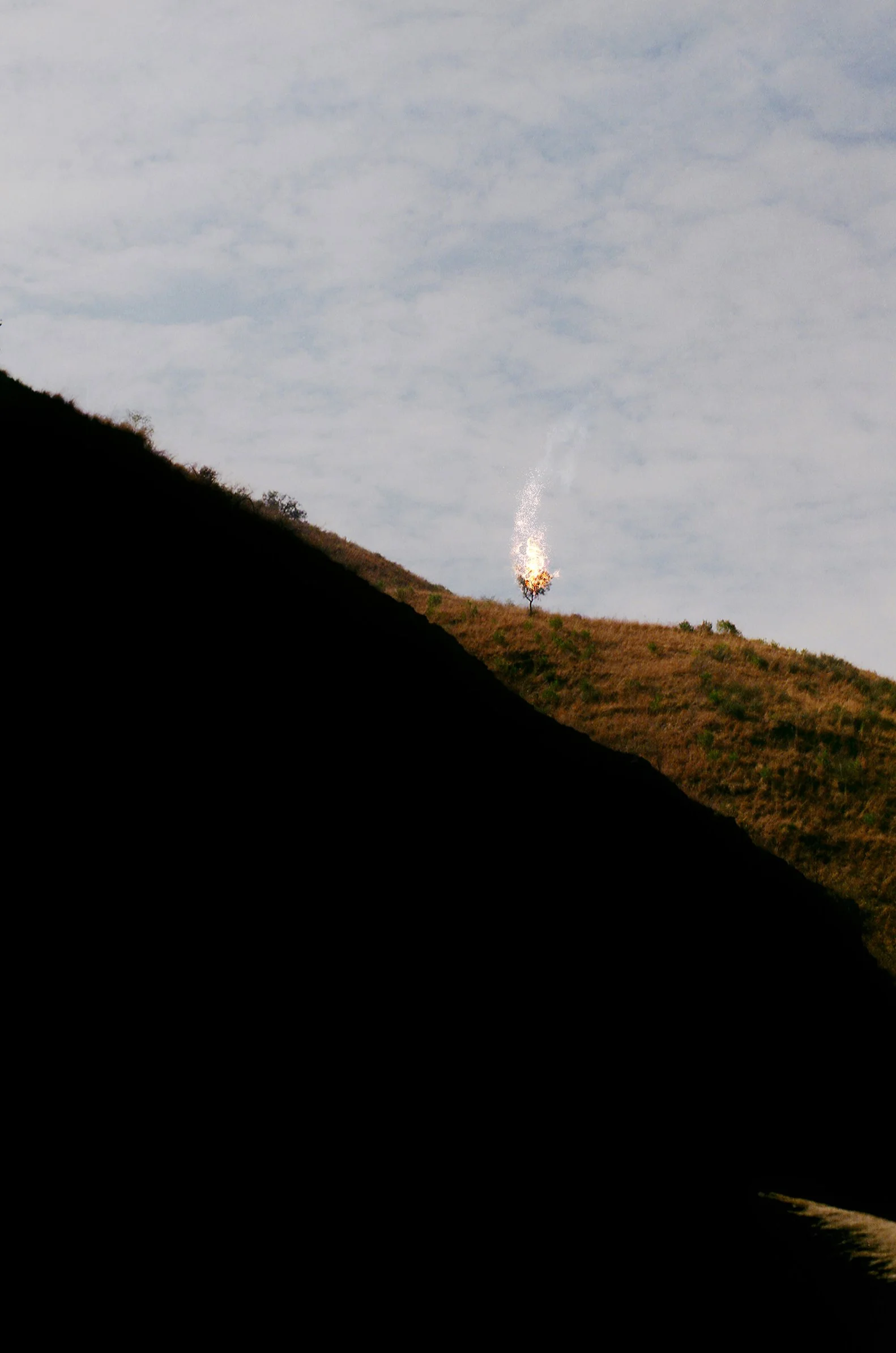
Marisol Mendez // Burning Bush, 2019 // Gicleé print on Hahnemühle Matt Fibre paper // 100x67 cm
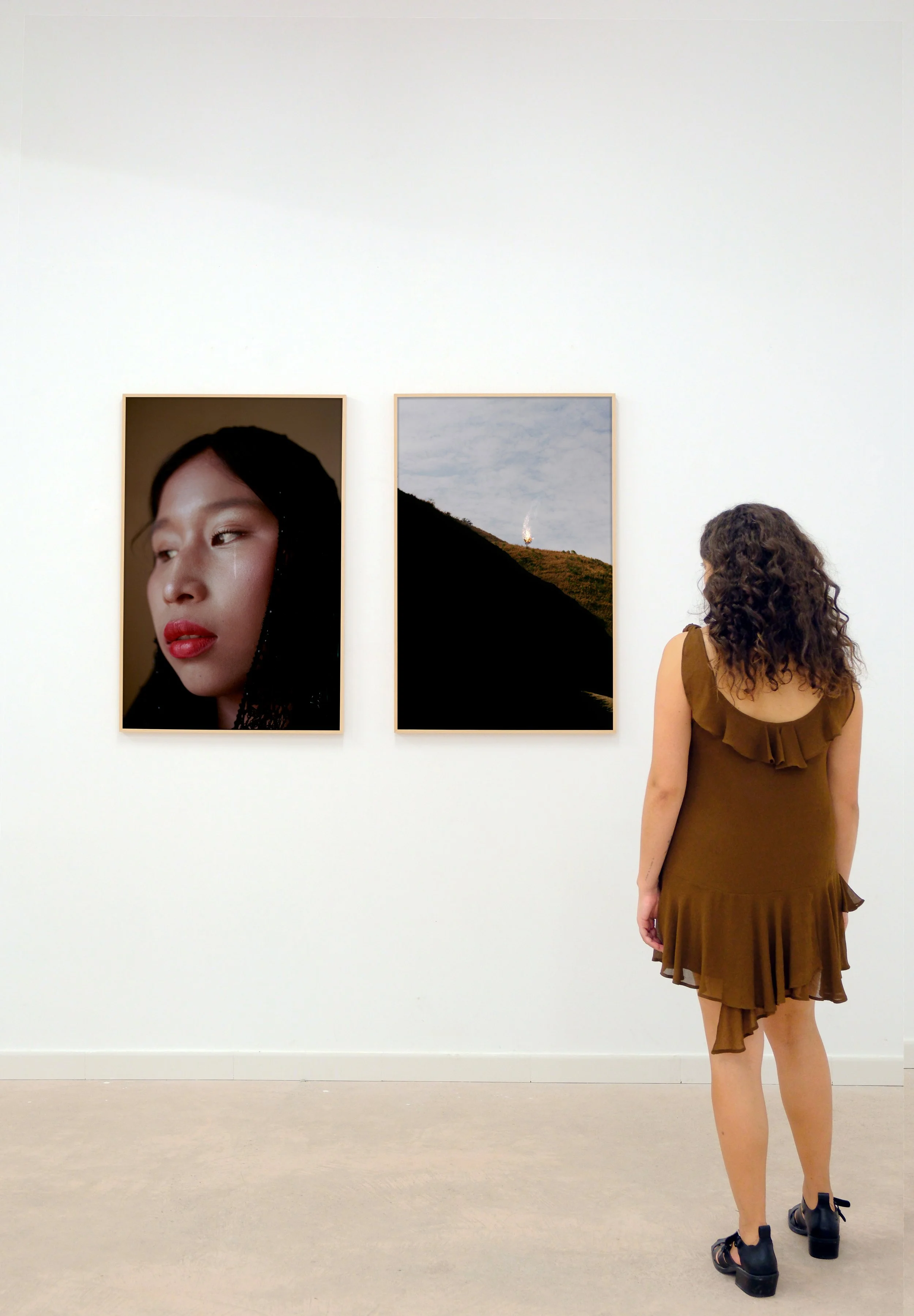
Marisol Mendez // Madre, 2019 (series) // Gicleé print on Hahnemühle Matt Fibre paper // 100x67 cm
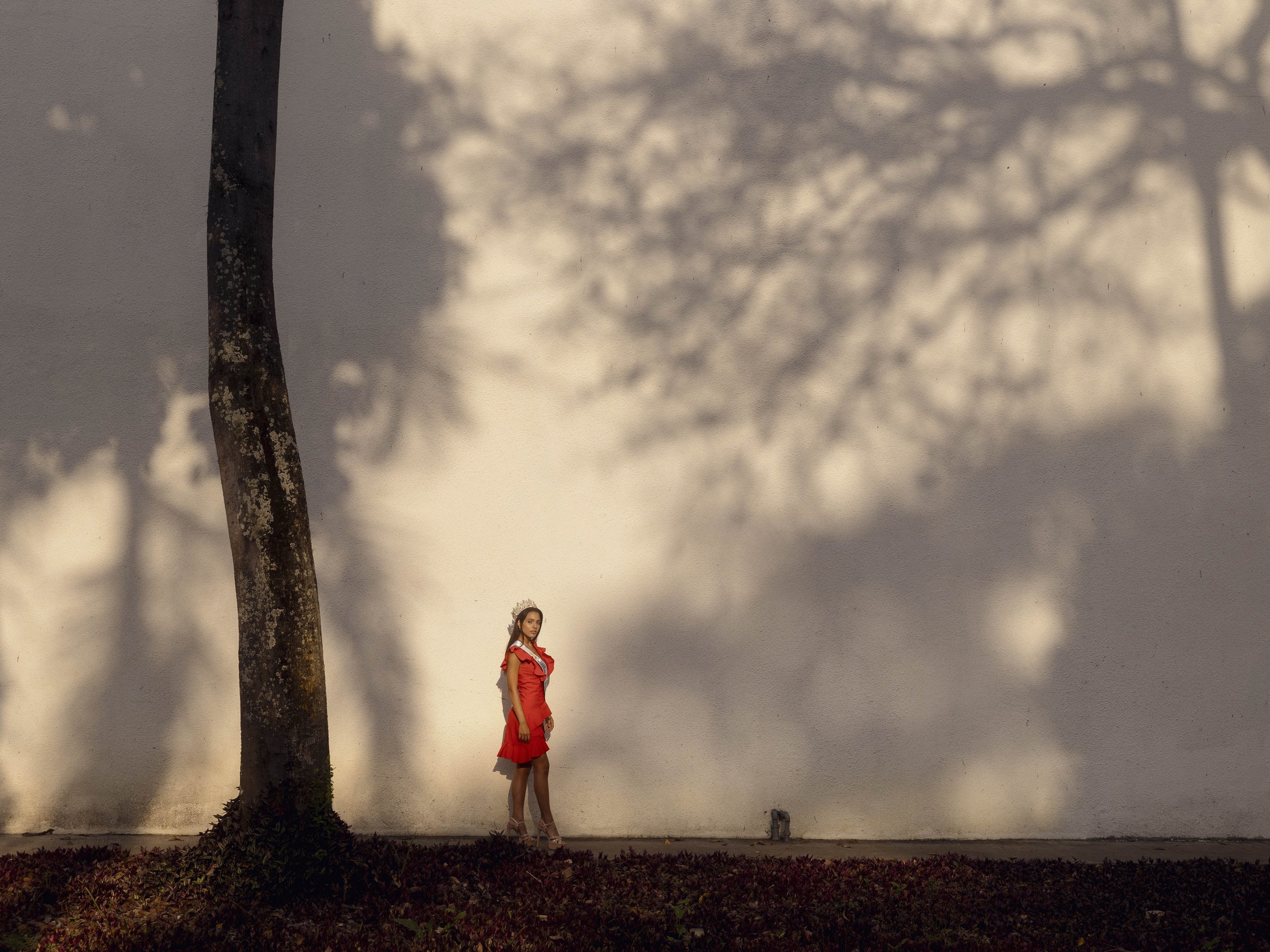
Fabiola Ferrero // Reinas (2025-2026) "Gabriela Hernandez, Señorita Valles del Tuy 2024, posa para un retrato en la Universidad Central de Venezuela, donde estudia, en marzo de 2025." // Gicleé print on Hahnemühle Matt Fibre paper // 60×80 cm
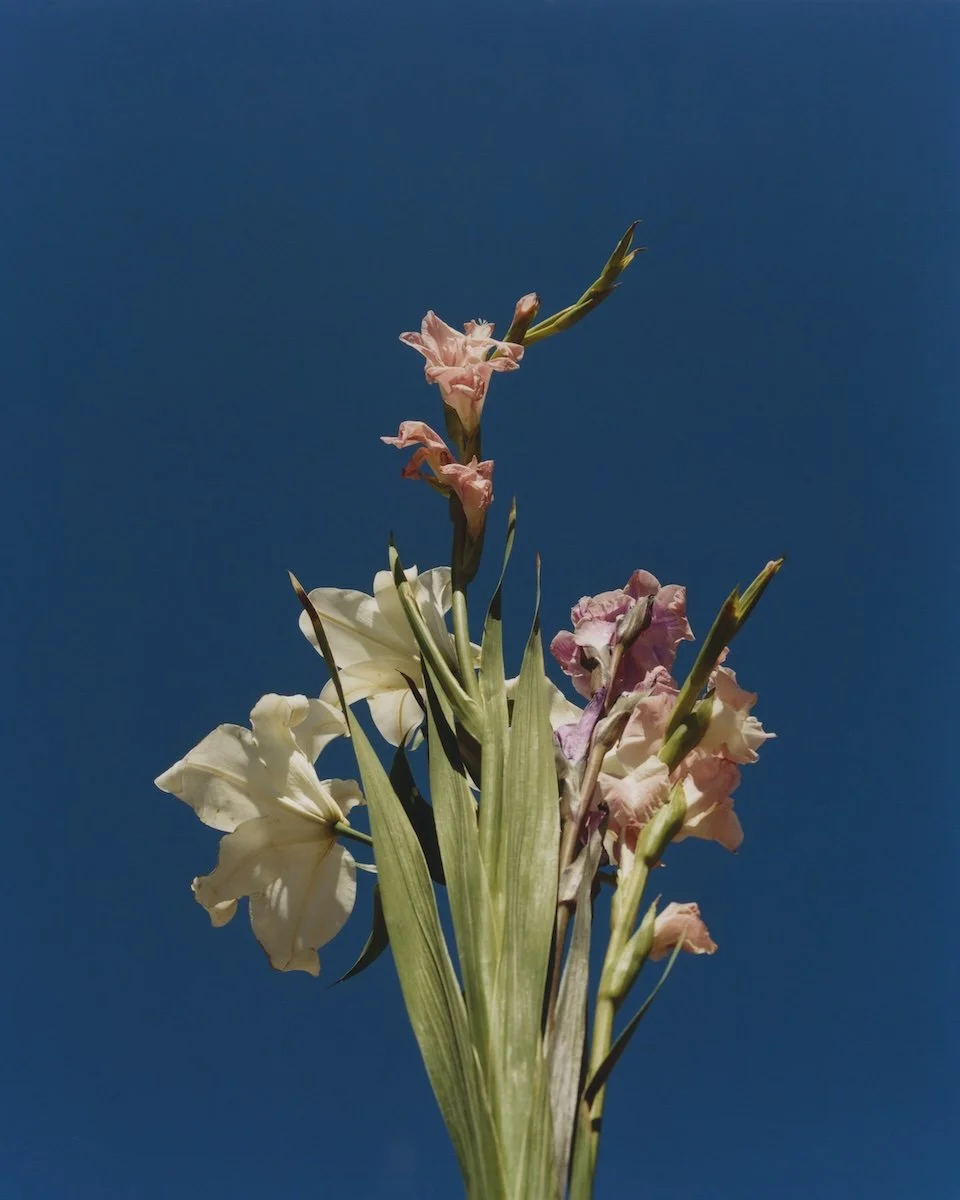
Silvana Trevale // Gladiolas de Rosa Tavera, 2022 // Gicleé print on Hahnemühle Matt Fibre paper / // 41 x 34 cm
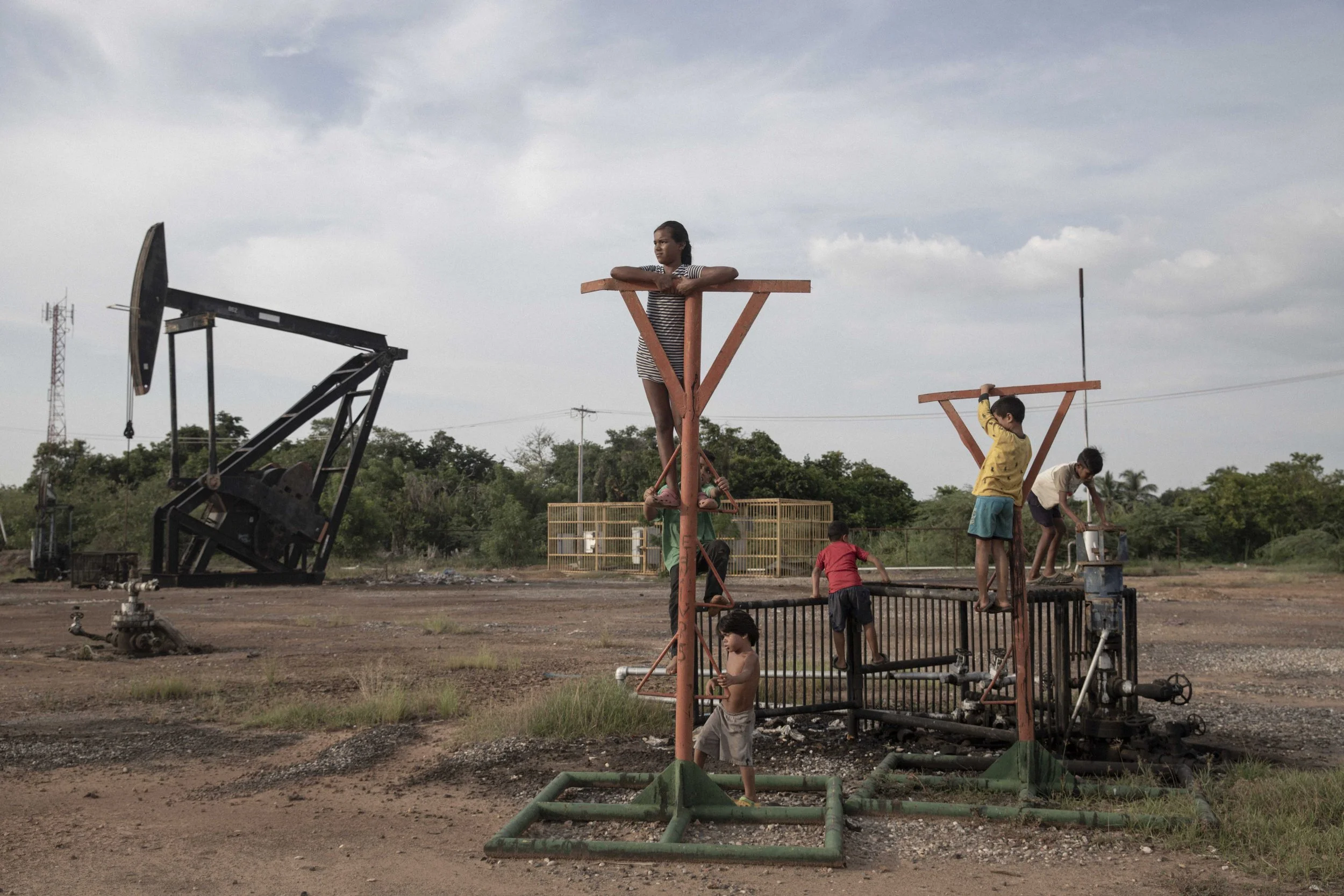
Fabiola Ferrero // Kids play on top on abandoned oil structures from the series I Can’t Hear the Birds 2017-2023 // Gicleé print on Hahnemühle Matt Fibre paper // 60×90 cm
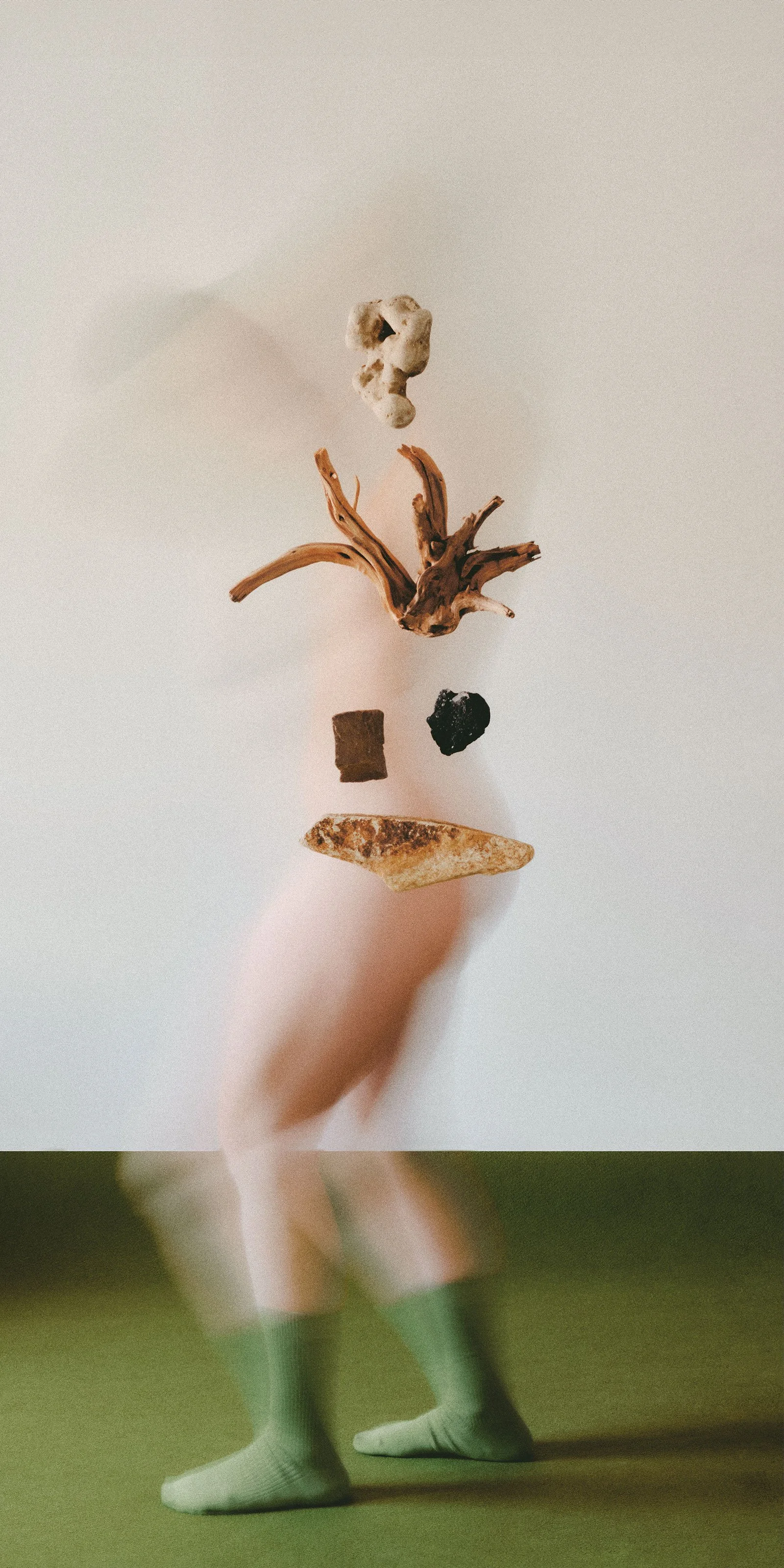
Daniel Santolo // Cartografia Verde, 2026 // Digital Print on Lightweight Voile Fabric Kyoto // 180 x 90 cm
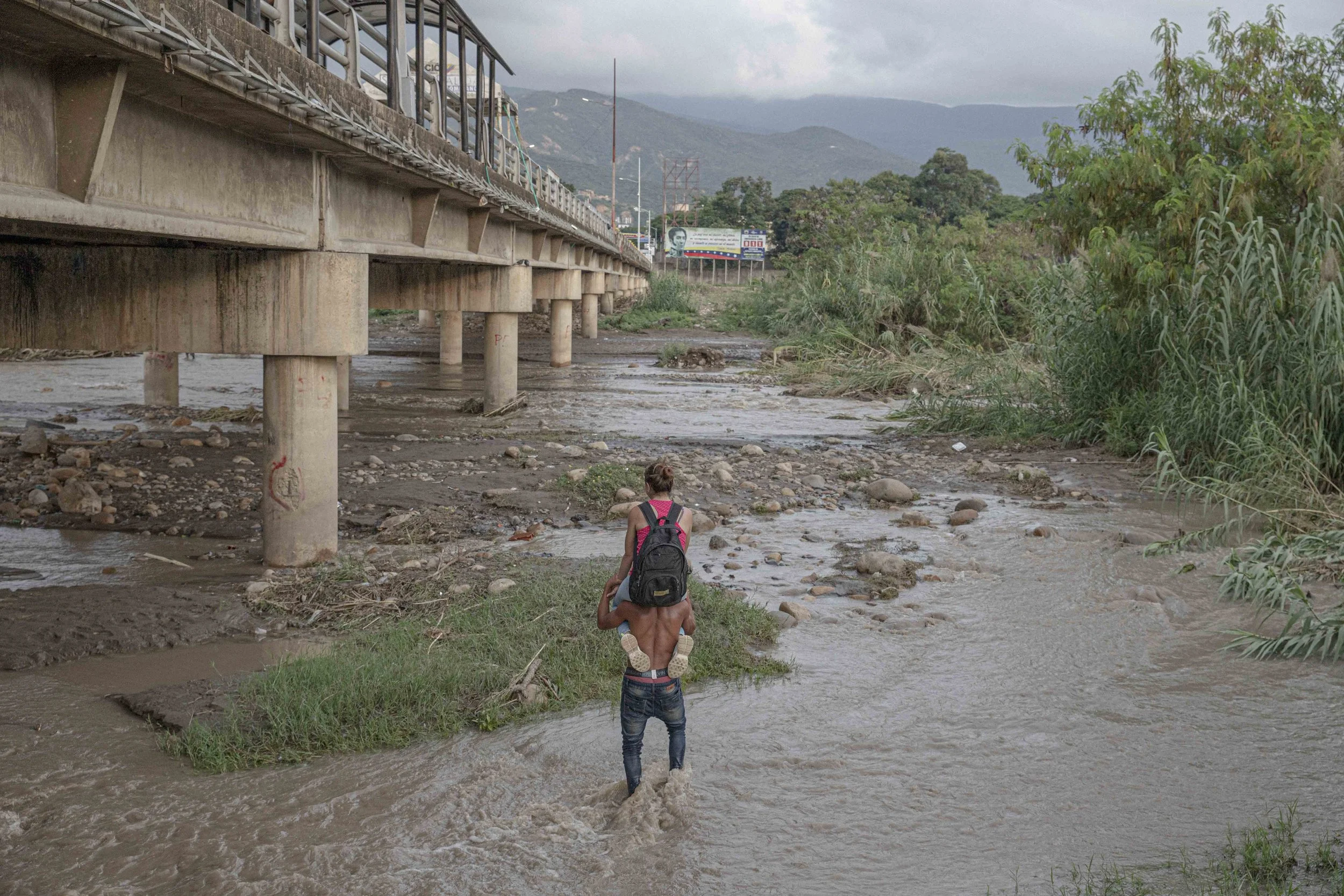
Fabiola Ferrero // Untitled from the series I Can’t Hear the Birds 2017-2023 // Gicleé print on Hahnemühle Matt Fibre paper // 60×90 cm
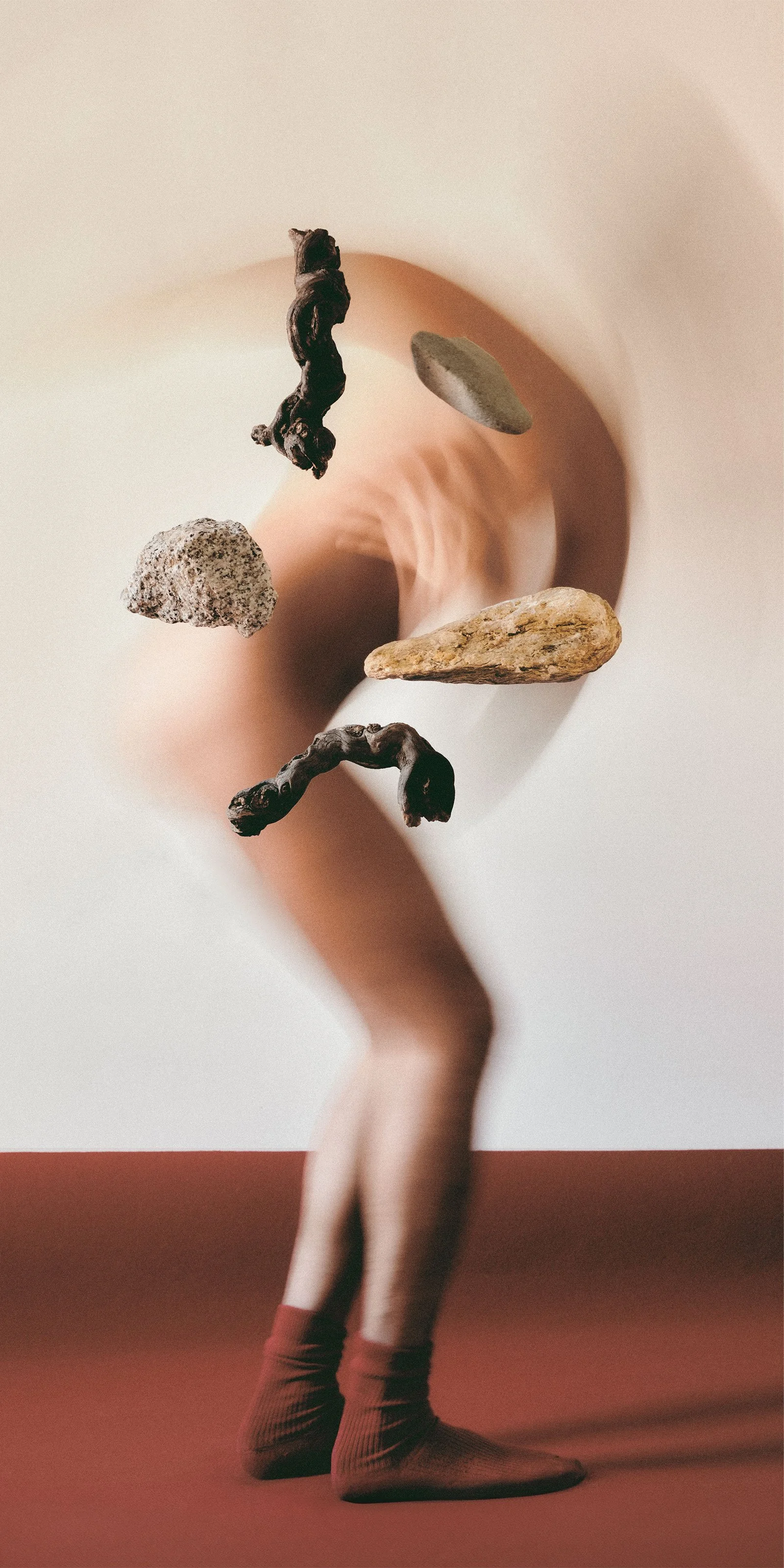
Daniel Santolo // Cartografia Roja, 2026 // Digital Print on Lightweight Voile Fabric Kyoto // 180 x 90 cm
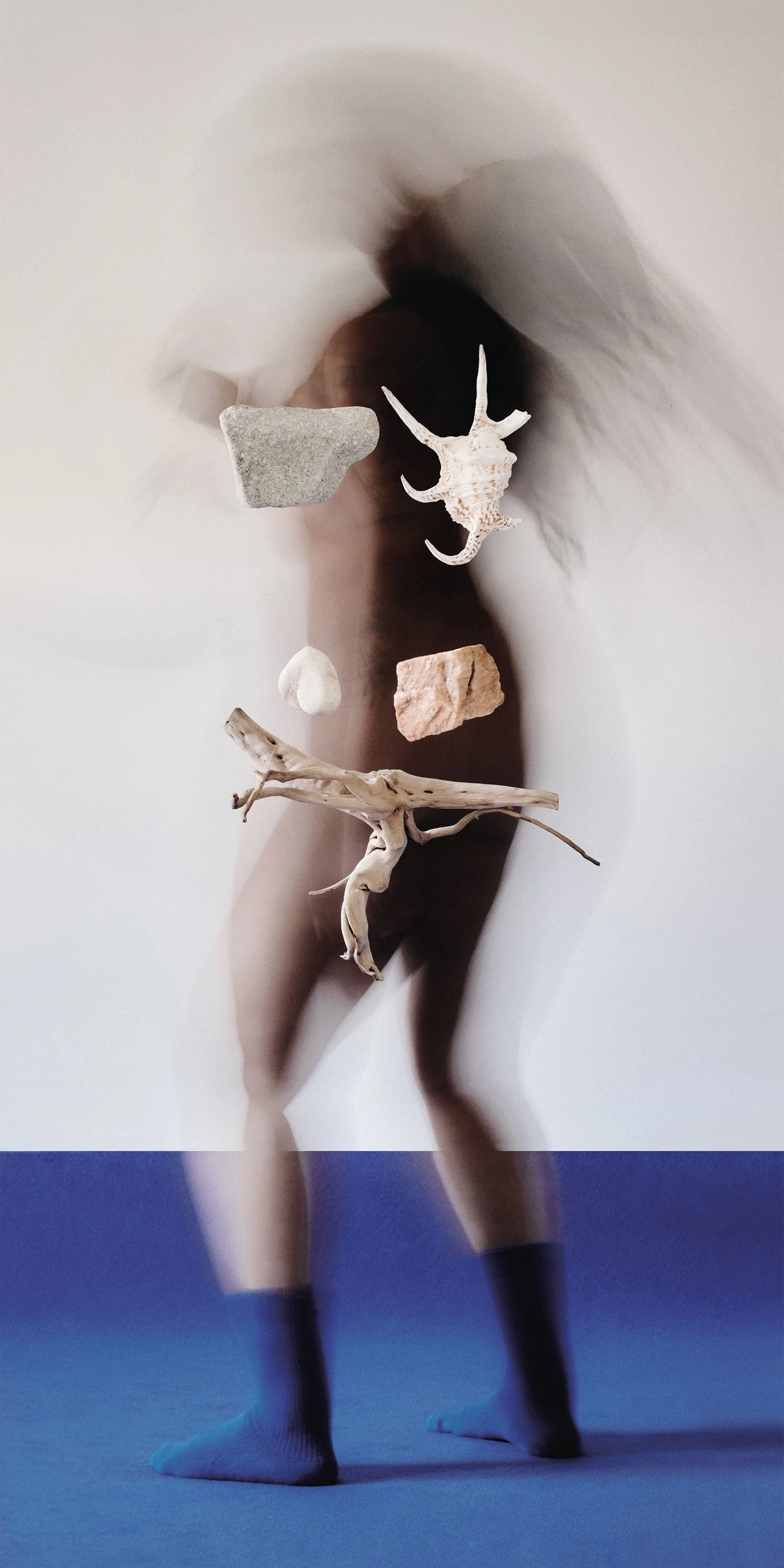
Daniel Santolo // Cartografia Azul, 2026 // Digital Print on Lightweight Voile Fabric Kyoto // 180 x 90 cm
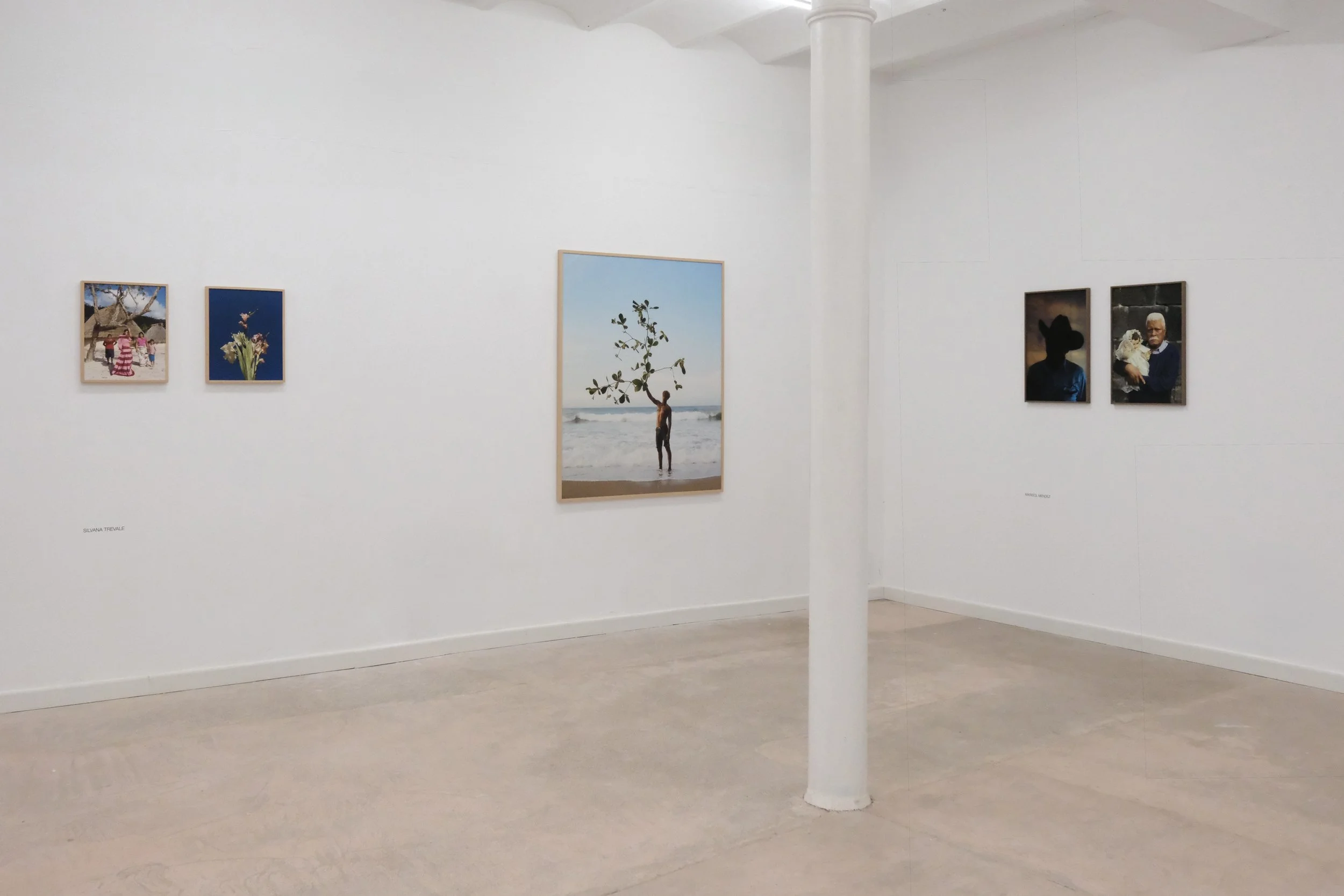
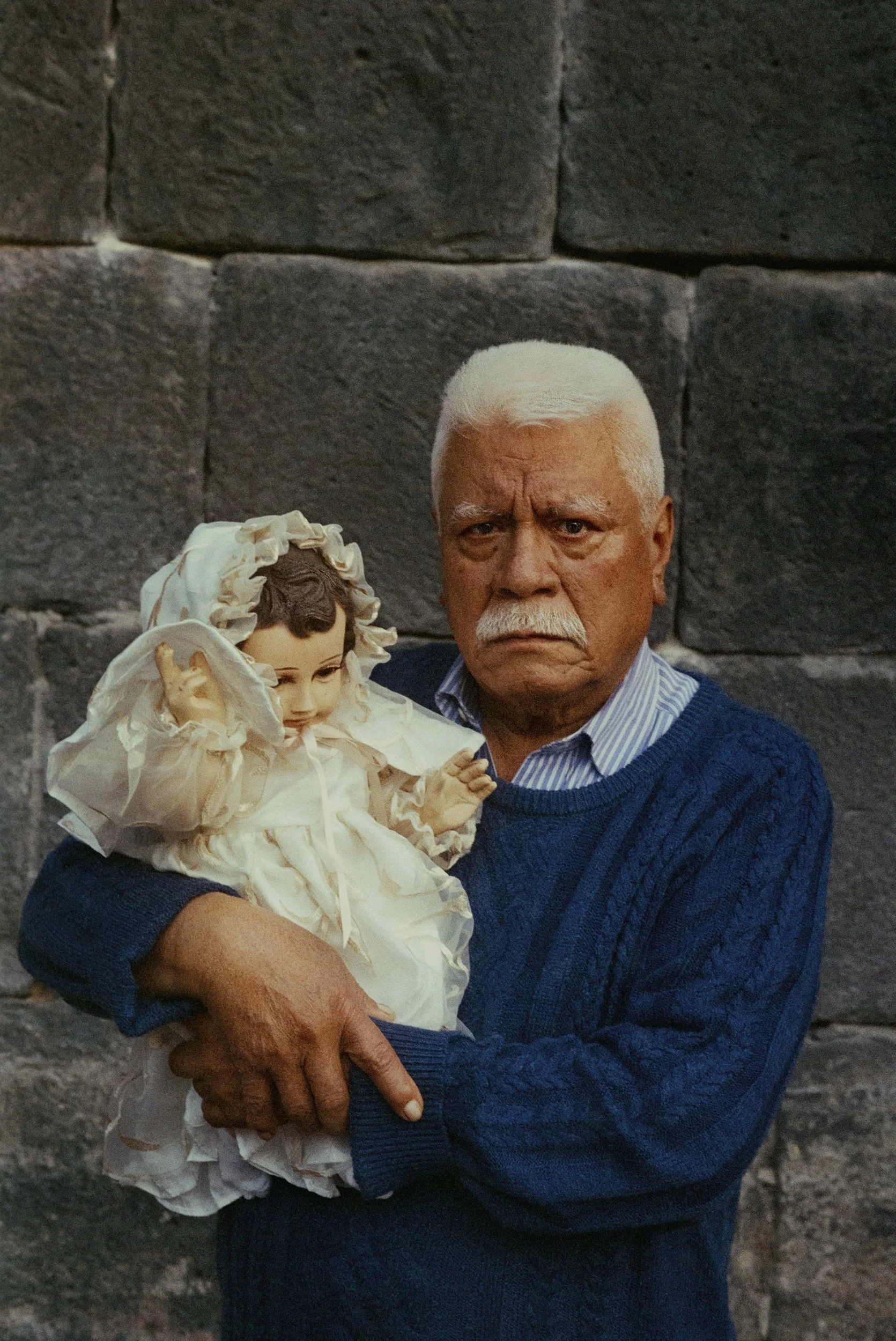
Marisol Mendez // Remedios, ca. 2024 // Print on Hahnemühle Museum Etching paper // 60 x 40 cm
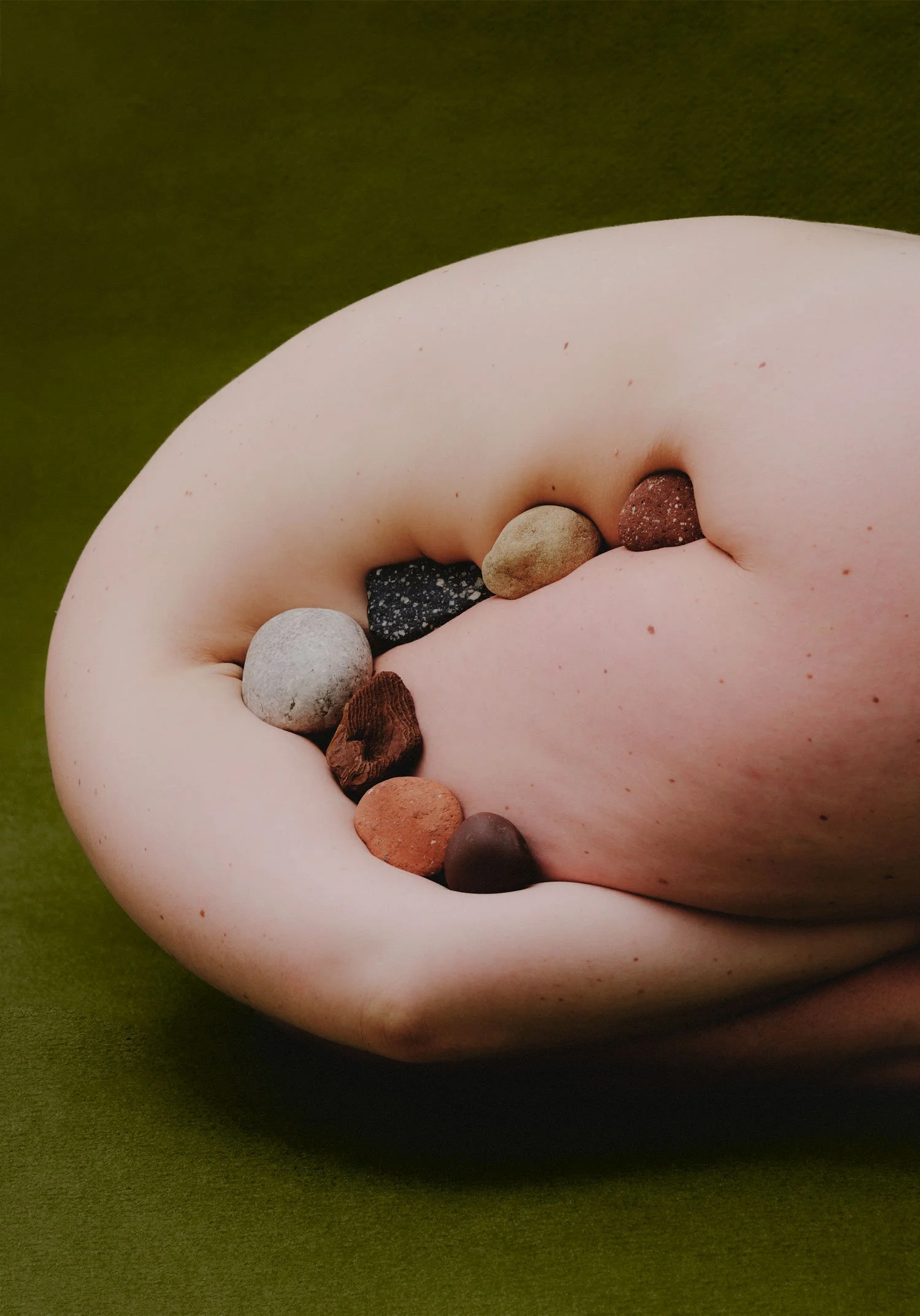
Daniel Santolo // Territorio I, 2026 // Photo Rag Baryta paper // 30 x 20 cm
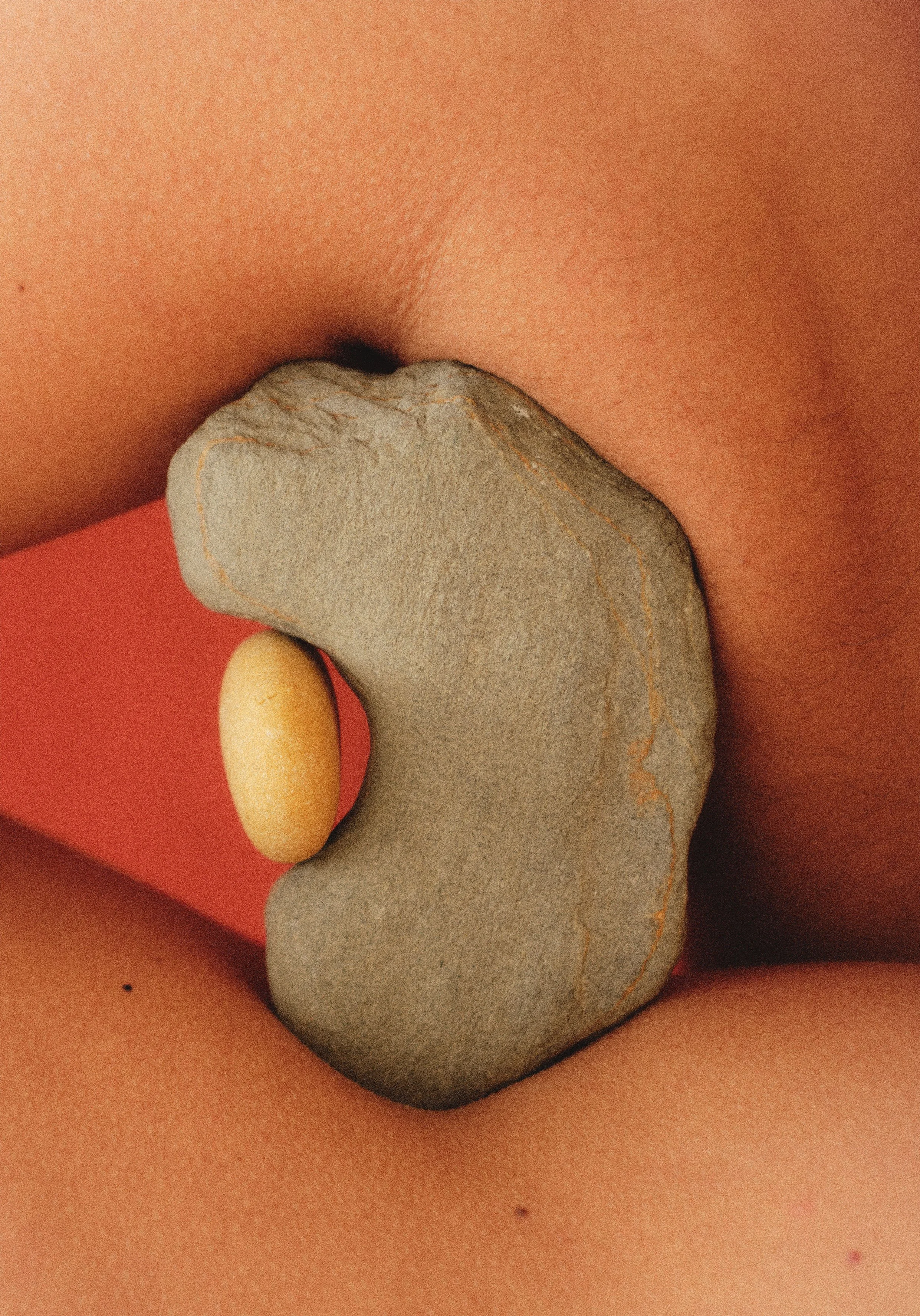
Daniel Santolo // Meridiano I, 2026 // Photo Rag Baryta paper // 30 x 20 cm
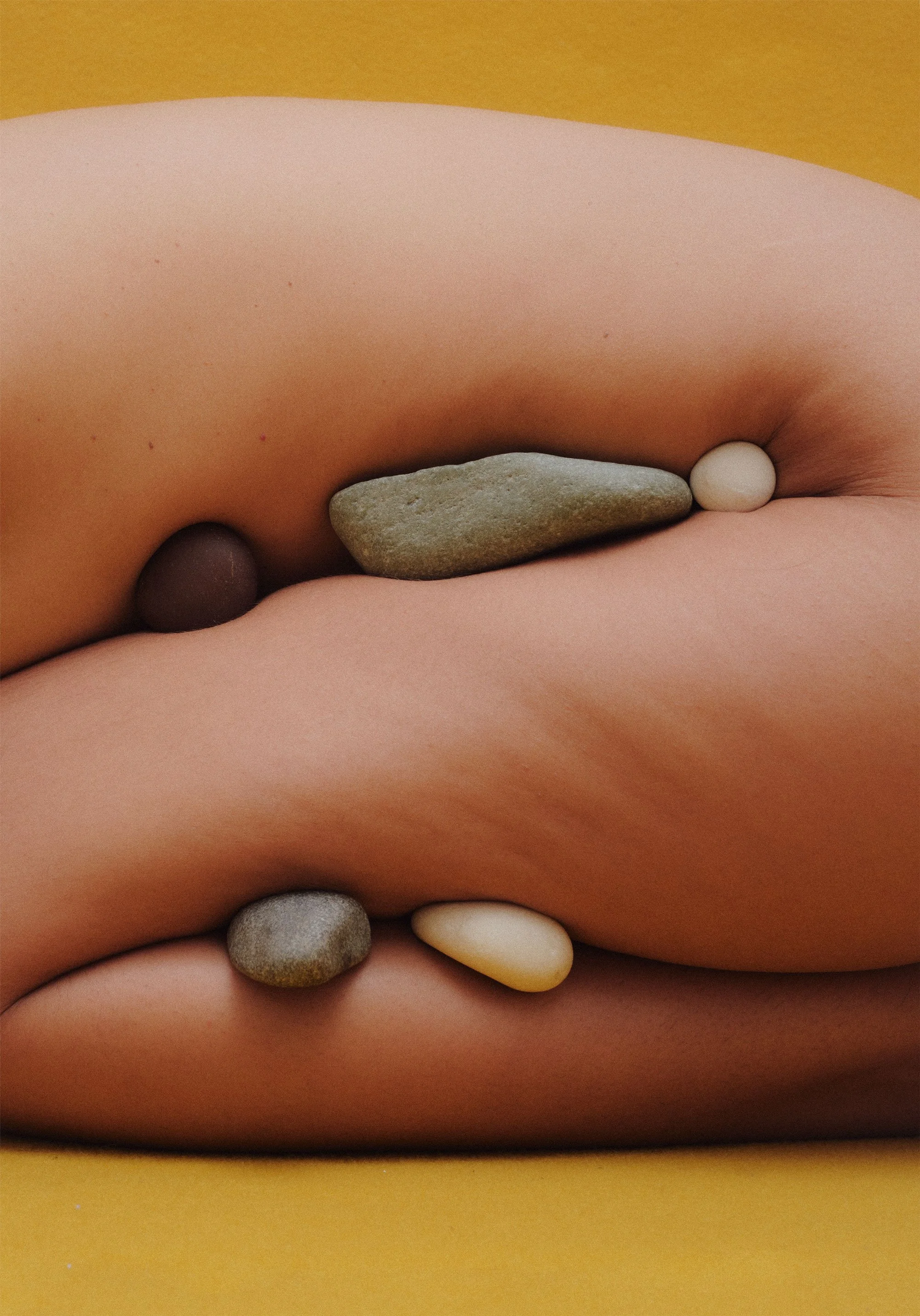
Daniel Santolo // Frontera I, 2026 // Photo Rag Baryta paper // 30 x 20 cm
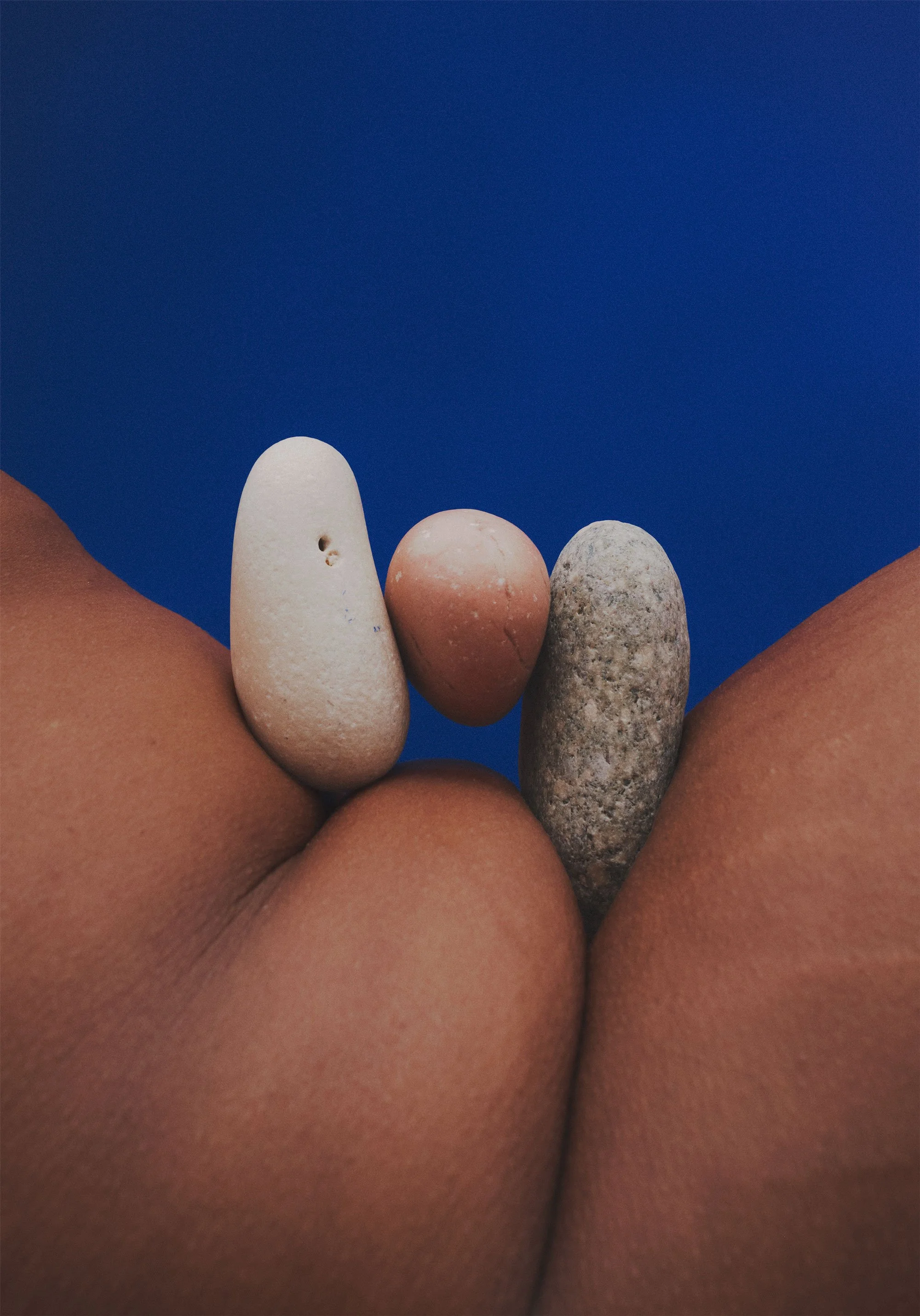
Daniel Santolo // Atlas I, 2026 // Photo Rag Baryta paper // 30 x 20 cm
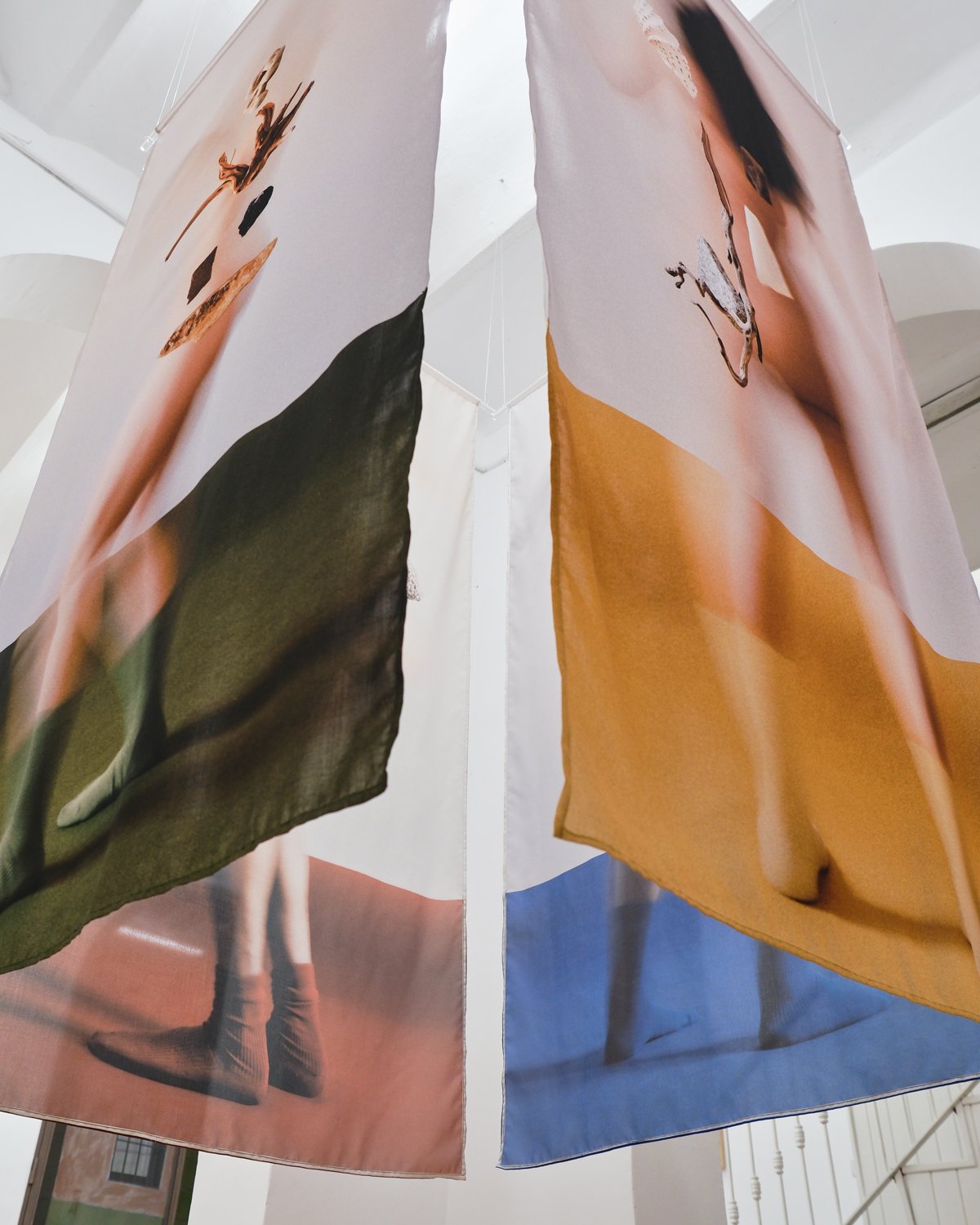
Daniel Santolo // Cartografía en Tránsito (details)
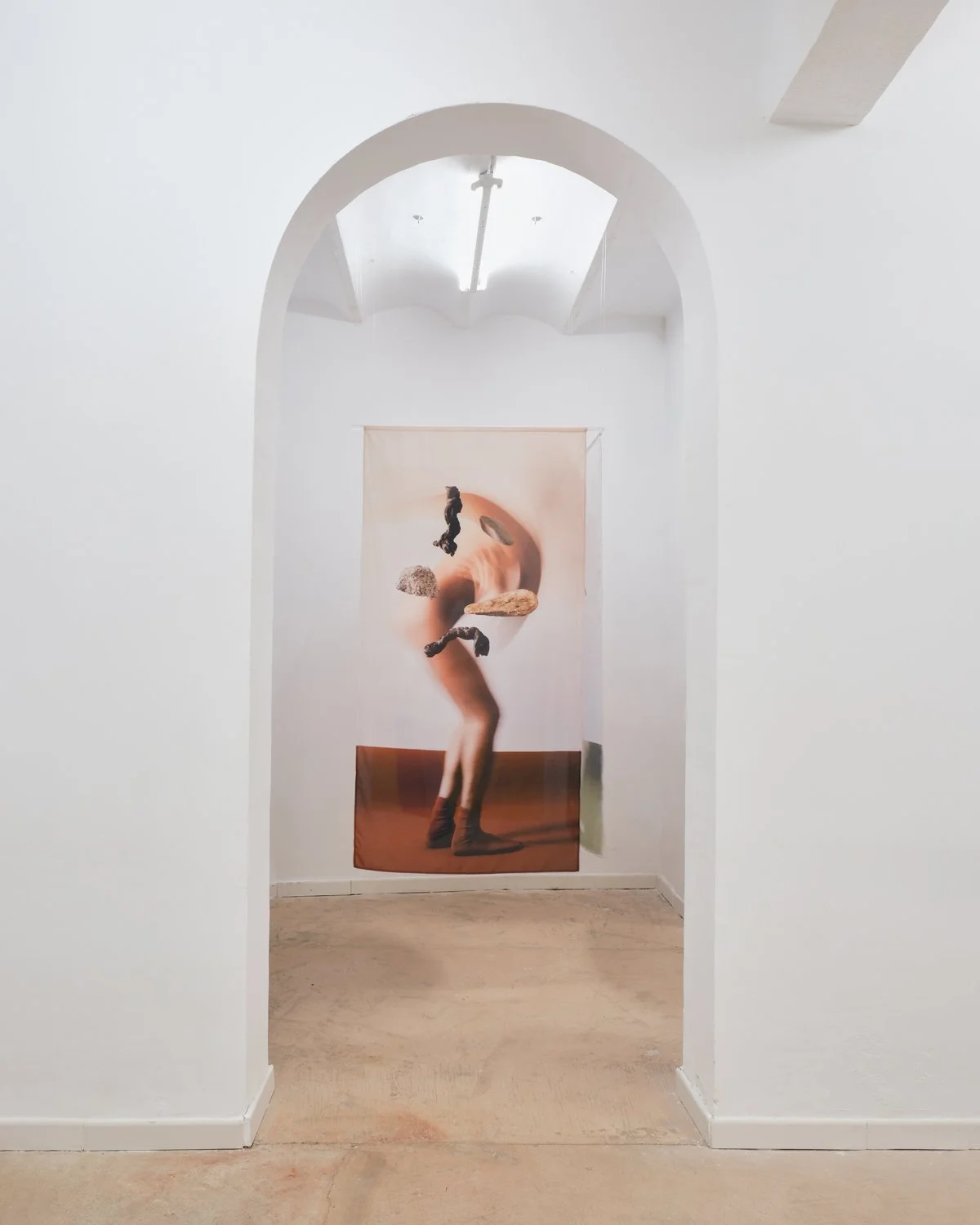
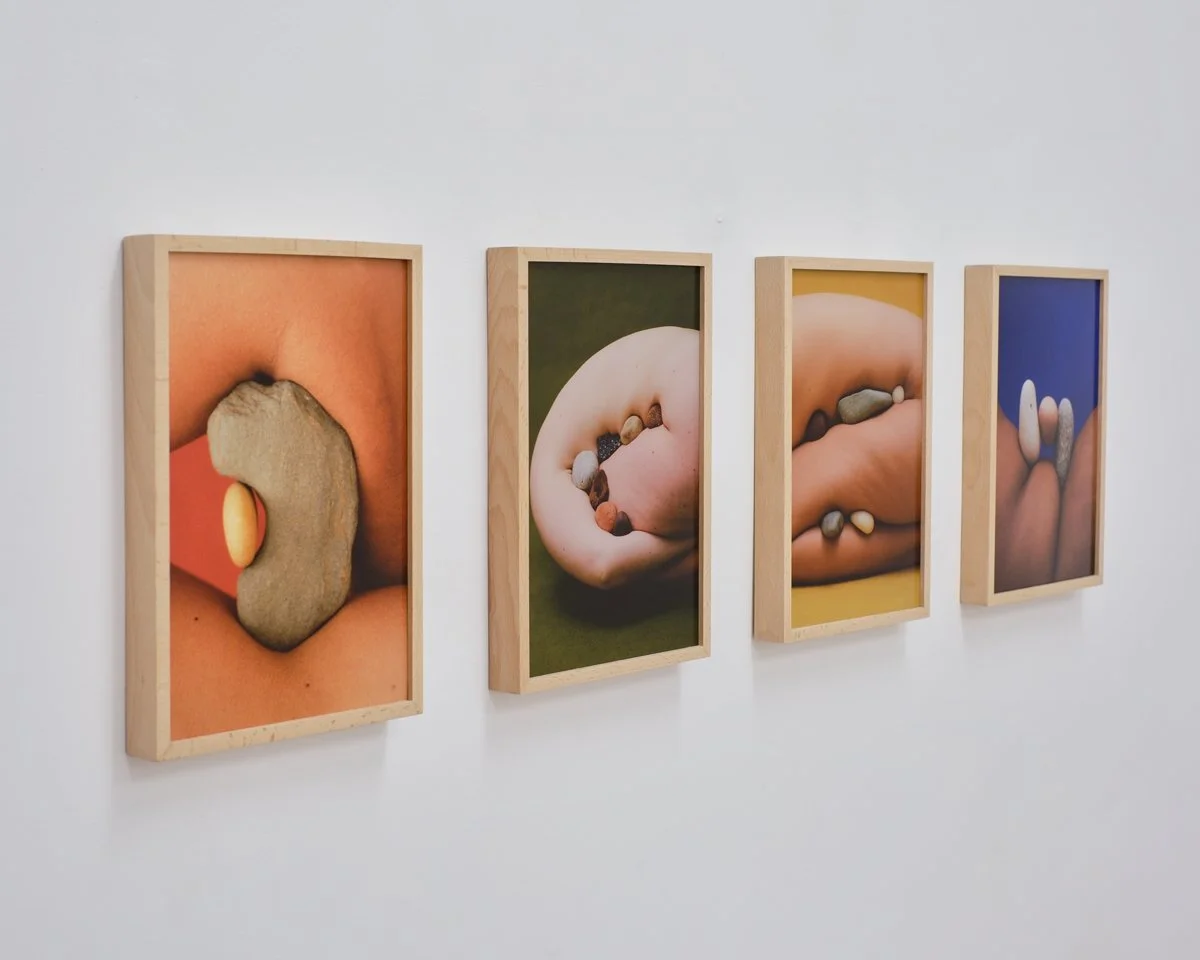
Daniel Santolo // Cartografía en Tránsito, 2026 (series) // // Photo Rag Baryta paper // 30 x 20 cm
Versió en llengua catalana
“I was leaving the South
to fling myself into the unknown . . .
I was taking a part of the South
to transplant in alien soil,
to see if it could grow differently,
if it could drink of new and cool rains,
bend in strange winds,
respond to the warmth of other suns
and, perhaps, to bloom”
― Richard Wright
Hi ha qui marxa no per design, sinó per necessitat d'un millor futur. Per a molts llatinoamericans, migrar significa aprendre a existir entre distàncies; entre la memòria d'un lloc i la incertesa d'un altre; entre allò que va quedar enrere i el present. En aquest sentit, El calor de otros soles reuneix quatre joves fotògrafs llatinoamericans que van decidir migrar a Europa: Fabiola Ferrero, Marisol Mendez, Silvana Trevale i Daniel Santolo Franco. L'exposició pren el seu títol d'Isabel Wilkerson i l'obra The Warmth of Other Suns (2010), on es relaten els desplaçaments de les comunitats afroamericanes que van migrar des del sud fins al nord dels Estats Units. A partir de la narració d'històries individuals, Wilkerson construeix una comprensió profundament humana de la migració. De la mateixa manera, els artistes de l’exposició reflecteixen la seva experiència migratòria i lea realitat de les seves comunitats. En particular, les seves fotografies no son representacions simplistes d'Amèrica Llatina, construïdes des d'una mirada externa o estereotips heretats, en canvi, ofereixen reflexions íntimes i matisades sobre el desplaçament, la pertinença, la resiliència i la transformació, revelant les contradiccions, complexitats i possibilitats que acompanyen la vida entre llocs.
Fabiola Ferrero (Caracas, 1991; resideix a París) és una fotògrafa documental l'obra de la qual examina els llegats de la modernització petroliera que va transformar Veneçuela durant el segle XX. A partir de la seva formació en escriptura i periodisme, explora les interseccions entre la política, la història i la memòria col·lectiva. Les seves imatges revelen les tensions que configuren la Veneçuela contemporània, contraposant les aspiracions i el glamur associats a una nació que alguna vegada va ser pròspera amb les realitats del desplaçament, la precarietat i la supervivència derivades de la prolongada crisi sociopolítica del país. Lluny d'oferir una narrativa única, el seu treball abraça la complexitat, posant en primer pla tant la resiliència com la vulnerabilitat dels qui travessen profunds processos de transformació social. Amb una mirada sensible i observadora, Ferrero captura moments de gran honestedat, convidant l'espectador a reflexionar sobre les fràgils fronteres entre memòria i pèrdua, privilegi i dificultat, aspiració i supervivència.
Marisol Mendez (Cochabamba, 1991; resideix a París) és una artista visual la pràctica de la qual desdibuixa els límits entre veritat i ficció, convidant a l'espectador a qüestionar les narratives construïdes a través de la fotografia. Treballant tant des d'enfocaments documentals com escenificats, Mendez investiga com les imatges modelen la nostra comprensió de la identitat, el gènere i la pertinença. Les seves sèries MADRE i PADRE examinen les construccions culturals de la feminitat i la masculinitat a la Bolívia contemporània a través de la història familiar, la religió i les normes socials heretades. En MADRE, combina el folklore andí, la iconografia catòlica i les intervencions en l'arxiu familiar per a desafiar representacions reductives de les dones i reconnectar amb la seva herència matrilineal. En PADRE, dirigeix la seva atenció a la masculinitat, explorant els llegats emocionals del masclisme mitjançant retrats escenificats, materials d'arxiu i relats familiars íntims. En conjunt, aquestes obres revelen les contradiccions inscrites en la identitat col·lectiva i qüestionen tant les històries que preserven les fotografies com els sistemes de creences que aquestes sostenen.
Silvana Trevale (Caracas, 1993; resident entre Barcelona i Nova York) realitza retrats que posen en primer pla la resiliència dels veneçolans enfront dels desafiaments que travessa el seu país. La seva sèrie Venezuelan Youth celebra a una generació decidida a imaginar i construir un futur malgrat l'adversitat. Profundament connectada amb la seva terra natal, Trevale centra el seu treball en els qui romanen a Veneçuela, retratant a persones compromeses amb la construcció del futur del país des de dins. Combinant sensibilitats documentals amb elements simbòlics, les seves fotografies celebren la bellesa, la dignitat i la capacitat d'acció dels seus protagonistes, al mateix temps que reconeixen les realitats socials i polítiques que emmarquen les seves vides. El seu compromís va més enllà de la representació: una part dels ingressos generats per la seva obra es destina a organitzacions dedicades a secundar i empoderar a joves a Veneçuela, assegurant que aquestes històries transcendeixin la imatge.
Daniel Santolo Franco (Caracas, 1993; resident a Barcelona) aborda la migració a través del cos, entès com un arxiu viu transformat contínuament per la memòria, el moviment i l'experiència. El seu projecte Cartografía en Tránsito reflexiona sobre les formes en què la identitat es reconfigura a través del desplaçament, proposant el cos com un territori marcat pels seus recorreguts. Santolo explora els espais que els migrants habiten entre la partida i l'arribada, entre els orígens i les destinacions, entre allò que es deixa enrere i allò que s'abraça. A través de la seva mirada, els individus emergeixen no com a figures aïllades, sinó com a part de xarxes de cura, comunitat i pertinença. La seva obra suggereix que la llar no és únicament el lloc del qual provenim, sinó també aquell on decidim conrear relacions, construir vincles i imaginar nous futurs.
Les obres reunides en La calor d'altres sols no busquen explicar a les seves comunitats a través de narratives fixes o etiquetes heretades. Per contra, reivindiquen la complexitat, la multiplicitat i la transformació. El que emergeix en aquestes fotografies no és la nostàlgia, sinó la continuïtat: la persistència de gestos, afectes, valors i maneres d'estar junts que es resisteixen a desaparèixer. Fins i tot a la distància, aquests artistes continuen honrant a les persones i els llocs que els van formar, no mitjançant la idealització, sinó permetent que la seva presència perduri.
En última instància, aquesta exposició celebra la riquesa i diversitat de les experiències llatinoamericanes més enllà de narratives reductives de pèrdua o enyorança. És una celebració de comunitats que continuen florint sota altres sols, portant amb si memòries, sabers i formes de pertinença que transcendeixen la geografia. En compartir els seus llocs d'origen, aquests artistes ens recorden que la migració no és només una història de partida, sinó també de connexió, renovació i imaginació col·lectiva. La calor d'altres sols convida el públic a reflexionar sobre les seves pròpies relacions amb la identitat, el territori i la comunitat, i a considerar com continuem portant la nostra llar amb nosaltres mentre transitem el món.
Paraules de Joanne Sarkis
Versión en español
“I was leaving the South
to fling myself into the unknown . . .
I was taking a part of the South
to transplant in alien soil,
to see if it could grow differently,
if it could drink of new and cool rains,
bend in strange winds,
respond to the warmth of other suns
and, perhaps, to bloom”
― Richard Wright
Hay quienes se marchan no por deseo, sino por necesidad de un mejor futuro. Para muchos latinoamericanos, migrar significa aprender a existir entre distancias; entre la memoria de un lugar y la incertidumbre de otro; entre aquello que quedó atrás y el presente. En este sentido, El calor de otros soles reúne la obra de cuatro jóvenes fotógrafos latinoamericanos que decidieron migrar a Europa: Fabiola Ferrero, Marisol Mendez, Silvana Trevale y Daniel Santolo Franco. La exposición toma su título de Isabel Wilkerson y la obra The Warmth of Other Suns (2010), donde se relatan los desplazamientos de las comunidades afroamericanas que migraron desde el sur hasta el norte de Estados Unidos. A partir de la narración de historias individuales, Wilkerson construye una comprensión profundamente humana de la migración. De igual modo, los artistas reflejan su experiencia migratoria y las realidad de sus comunidades. En particular, sus fotografías rehúyen las representaciones simplistas de América Latina, construidas desde una mirada externa o estereotipos heredados, en su lugar, ofrecen reflexiones íntimas y matizadas sobre el desplazamiento, la pertenencia, la resiliencia y la transformación, revelando las contradicciones, complejidades y posibilidades que acompañan la vida entre lugares.
Fabiola Ferrero (Caracas, 1991; reside en París) es una fotógrafa documental cuya obra examina los legados de la modernización petrolera que transformó Venezuela durante el siglo XX. A partir de su formación en escritura y periodismo de investigación, explora las intersecciones entre política, historia y memoria colectiva. Sus imágenes revelan las tensiones que configuran la Venezuela contemporánea, contraponiendo las aspiraciones y el glamour asociados a una nación que alguna vez fue próspera con las realidades del desplazamiento, la precariedad y la supervivencia derivadas de la prolongada crisis sociopolítica del país. Lejos de ofrecer una narrativa única, su trabajo abraza la complejidad, poniendo en primer plano tanto la resiliencia como la vulnerabilidad de quienes atraviesan profundos procesos de transformación social. Con una mirada sensible y observadora, Ferrero captura momentos de gran honestidad, invitando al espectador a reflexionar sobre las frágiles fronteras entre memoria y pérdida, privilegio y dificultad, aspiración y supervivencia.
Marisol Mendez (Cochabamba, 1991; reside en París) es una artista visual cuya práctica desdibuja los límites entre verdad y ficción, invitando al espectador a cuestionar las narrativas construidas a través de la fotografía. Profundamente arraigada en los paisajes, el folclore y las historias sociales de Bolivia, su obra busca establecer conexiones significativas con sus sujetos mientras entreteje capas de memoria, imaginación y experiencia vivida. Trabajando tanto desde enfoques documentales como escenificados, Mendez investiga cómo las imágenes moldean nuestra comprensión de la identidad, el género y la pertenencia. Sus series MADRE y PADRE examinan las construcciones culturales de la feminidad y la masculinidad en la Bolivia contemporánea a través de la historia familiar, la religión y las normas sociales heredadas. En MADRE, combina el folclore andino, la iconografía católica y las intervenciones en el archivo familiar para desafiar representaciones reductivas de las mujeres y reconectar con su herencia matrilineal. En PADRE, dirige su atención a la masculinidad, explorando los legados emocionales del machismo mediante retratos escenificados, materiales de archivo y relatos familiares íntimos. En conjunto, estas obras revelan las contradicciones inscritas en la identidad colectiva y cuestionan tanto las historias que preservan las fotografías como los sistemas de creencias que estas sostienen.
Silvana Trevale (Caracas, 1993; residente entre Barcelona y Nueva York) realiza retratos que ponen en primer plano la resiliencia de los venezolanos frente a los desafíos que atraviesa su país. Su serie Venezuelan Youth celebra a una generación decidida a imaginar y construir un futuro a pesar de la adversidad. Profundamente conectada con su tierra natal, Trevale centra su trabajo en quienes permanecen en Venezuela, retratando a personas comprometidas con la construcción del futuro del país desde dentro. Combinando sensibilidades documentales con elementos simbólicos, sus fotografías celebran la belleza, la dignidad y la capacidad de acción de sus protagonistas, al tiempo que reconocen las realidades sociales y políticas que enmarcan sus vidas. Su compromiso va más allá de la representación: una parte de los ingresos generados por su obra se destina a organizaciones dedicadas a apoyar y empoderar a jóvenes en Venezuela, asegurando que estas historias trasciendan la imagen.
Daniel Santolo Franco (Caracas, 1993; residente en Barcelona) aborda la migración a través del cuerpo, entendido como un archivo vivo transformado continuamente por la memoria, el movimiento y la experiencia. Su proyecto Cartography in Transit reflexiona sobre las formas en que la identidad se reconfigura a través del desplazamiento, proponiendo el cuerpo como un territorio marcado por sus recorridos. Santolo explora los espacios que los migrantes habitan entre la partida y la llegada, entre los orígenes y los destinos, entre aquello que se deja atrás y aquello que se abraza. A través de su lente, los individuos emergen no como figuras aisladas, sino como parte de redes de cuidado, comunidad y pertenencia. Su obra sugiere que el hogar no es únicamente el lugar del que provenimos, sino también aquel donde decidimos cultivar relaciones, construir vínculos e imaginar nuevos futuros.
Las obras reunidas en El calor de otros soles no buscan explicar a sus comunidades a través de narrativas fijas o etiquetas heredadas. Por el contrario, reivindican la complejidad, la multiplicidad y la transformación. Lo que emerge en estas fotografías no es la nostalgia, sino la continuidad: la persistencia de gestos, afectos, valores y formas de estar juntos que se resisten a desaparecer. Incluso a la distancia, estos artistas continúan honrando a las personas y los lugares que los formaron, no mediante la idealización, sino permitiendo que su presencia perdure.
En última instancia, esta exposición celebra la riqueza y diversidad de las experiencias latinoamericanas más allá de narrativas reductivas de pérdida o añoranza. Es una celebración de comunidades que continúan floreciendo bajo otros soles, llevando consigo memorias, saberes y formas de pertenencia que trascienden la geografía. Al compartir sus lugares de origen, estos artistas nos recuerdan que la migración no es solo una historia de partida, sino también de conexión, renovación e imaginación colectiva. El calor de otros soles invita al público a reflexionar sobre sus propias relaciones con la identidad, el territorio y la comunidad, y a considerar cómo seguimos llevando nuestro hogar con nosotros mientras transitamos el mundo.
Palabras por Joanne Sarkis